
Diabetes and Lifestyle — Why Your Daily Choices Matter More Than Medication
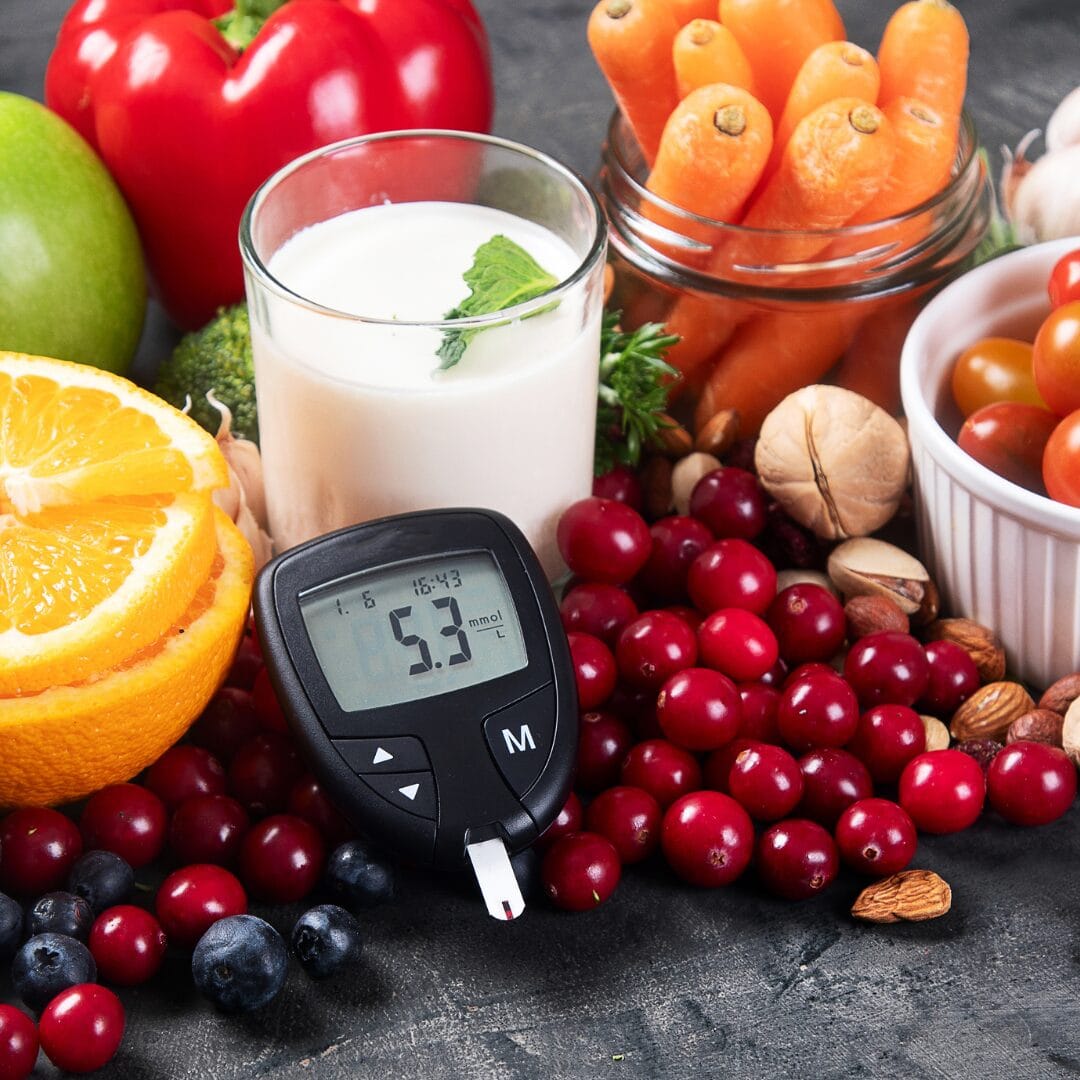
Millions of Indians are taking medication for diabetes every day — and many of them are still watching their blood sugar remain poorly controlled, their HbA1c stubbornly high, and their doctor adding dose after dose without lasting improvement. What often gets less attention in that conversation is the part that medication cannot substitute for: what the patient eats, how they move, how they sleep, and how much stress they carry.
This is not a dismissal of medication. Diabetes medication is important and often essential. But the clinical evidence is unambiguous — for Type 2 diabetes in particular, lifestyle changes produce blood sugar improvements that rival or exceed those of many first-line medications. The challenge is understanding what those changes actually are, how to implement them in the context of an Indian diet and lifestyle, and what realistic expectations look like.
This is the conversation that Dr. Kranthi Kumar Reddy, Diabetologist at Pure Ortho Hospitals, Sainikpuri, Hyderabad, has with patients every day.
Understanding HbA1c — The Number That Matters Most
Blood sugar readings on a glucometer tell you what your sugar is at a single moment in time. HbA1c tells you something far more important: what your average blood sugar has been over the past 2-3 months. It reflects the proportion of haemoglobin in your blood that has been coated with glucose — a direct measure of chronic glycaemic exposure.
Normal
No diabetes or pre-diabetes. Annual monitoring if risk factors present.
Pre-diabetes
Elevated risk. Lifestyle intervention at this stage can prevent progression to Type 2.
Diabetes
Confirmed diabetes. Target for most patients is below 7%. Individual targets set by diabetologist.
For most patients with Type 2 diabetes, the target HbA1c is below 7%. Each percentage point of HbA1c reduction meaningfully reduces the risk of long-term complications — eye damage, kidney disease, nerve damage, and cardiovascular disease. Lifestyle changes that reduce HbA1c by even 0.5-1% have real, documented consequences for long-term health.
The Five Lifestyle Pillars of Diabetes Management
Diabetes management does not rest on diet alone. It rests on five interconnected pillars, each of which independently affects blood sugar — and which together produce effects far greater than any single change.
Diet and Eating Patterns
What you eat, how much, when, and in what combination directly determines post-meal blood sugar spikes and overall glycaemic load throughout the day.
Physical Activity
Exercise improves insulin sensitivity, reduces blood glucose directly during activity, and produces lasting metabolic improvements — independent of weight loss.
Sleep Quality and Duration
Poor sleep raises cortisol and disrupts insulin signalling. Even one night of poor sleep measurably worsens next-day blood sugar and increases food cravings.
Stress Management
Chronic stress elevates cortisol, which directly raises blood glucose. Stress also drives poor dietary choices, poor sleep, and reduced physical activity.
Body Weight
Even modest weight loss — 5-7% of body weight — significantly improves insulin sensitivity. For obese patients with early Type 2, significant weight loss can sometimes achieve remission.
Diet — What Indians with Diabetes Need to Know
Standard dietary advice for diabetes was developed largely for Western diets. Indian eating patterns — high in rice, rotis, dal, curry, and sweets — present specific challenges that generic advice does not address well. Understanding the Indian dietary context is essential for making changes that are actually sustainable.
The Problem with White Rice
Rice is the staple for much of South India and Telangana. It is also one of the highest glycaemic index foods in the Indian diet. A large plate of white rice produces a rapid, steep blood sugar spike — followed by an equally rapid drop that triggers hunger again quickly. This cycle keeps blood sugar unstable and makes portion control difficult.
This does not mean rice must be completely eliminated. It means portion size matters enormously, that combining rice with dal, vegetables, and protein slows its absorption significantly, and that switching partially to lower-glycaemic grains produces a measurable difference in blood sugar control.
Raise Blood Sugar Rapidly
- White rice in large quantities
- White bread and maida-based foods
- Sugary drinks — juices, soft drinks, chai with sugar
- Sweets, mithai, biscuits, packaged snacks
- Fruit juices (even fresh — removes fibre)
- Polished white rice upma and poha
- Deep-fried foods eaten frequently
Support Stable Blood Sugar
- Ragi (finger millet) — low glycaemic, high fibre
- Whole wheat rotis in moderate quantity
- Dal, rajma, chana — protein and fibre combination
- Non-starchy vegetables — palak, brinjal, lauki, bhindi
- Curd and buttermilk — probiotic, low glycaemic
- Whole fruits (not juice) — fibre slows sugar release
- Brown rice or red rice as partial rice substitute
When You Eat Matters as Much as What You Eat
Meal timing has a significant but underappreciated effect on blood sugar. Research consistently shows that the same meal eaten at dinner produces a higher blood sugar spike than the same meal eaten at lunch. Late-night eating — a common pattern in Hyderabad's working population — is particularly problematic because blood sugar clearance is naturally slower in the evening.
Eating pattern principles for blood sugar control
- Eat the largest meal of the day at lunch, not dinner
- Avoid eating within 2-3 hours of bedtime
- Do not skip breakfast — it sets the blood sugar tone for the day
- Eat fibre and protein before carbohydrates in a meal — slows glucose absorption
- Small, frequent meals (4-5) rather than 2 large meals reduce blood sugar spikes
- Avoid fruit juices — eat whole fruit instead, and not more than 1-2 pieces per day
- Reduce visible and hidden sugar in tea, coffee, packaged foods, and sauces
Physical Activity — The Most Underused Blood Sugar Tool
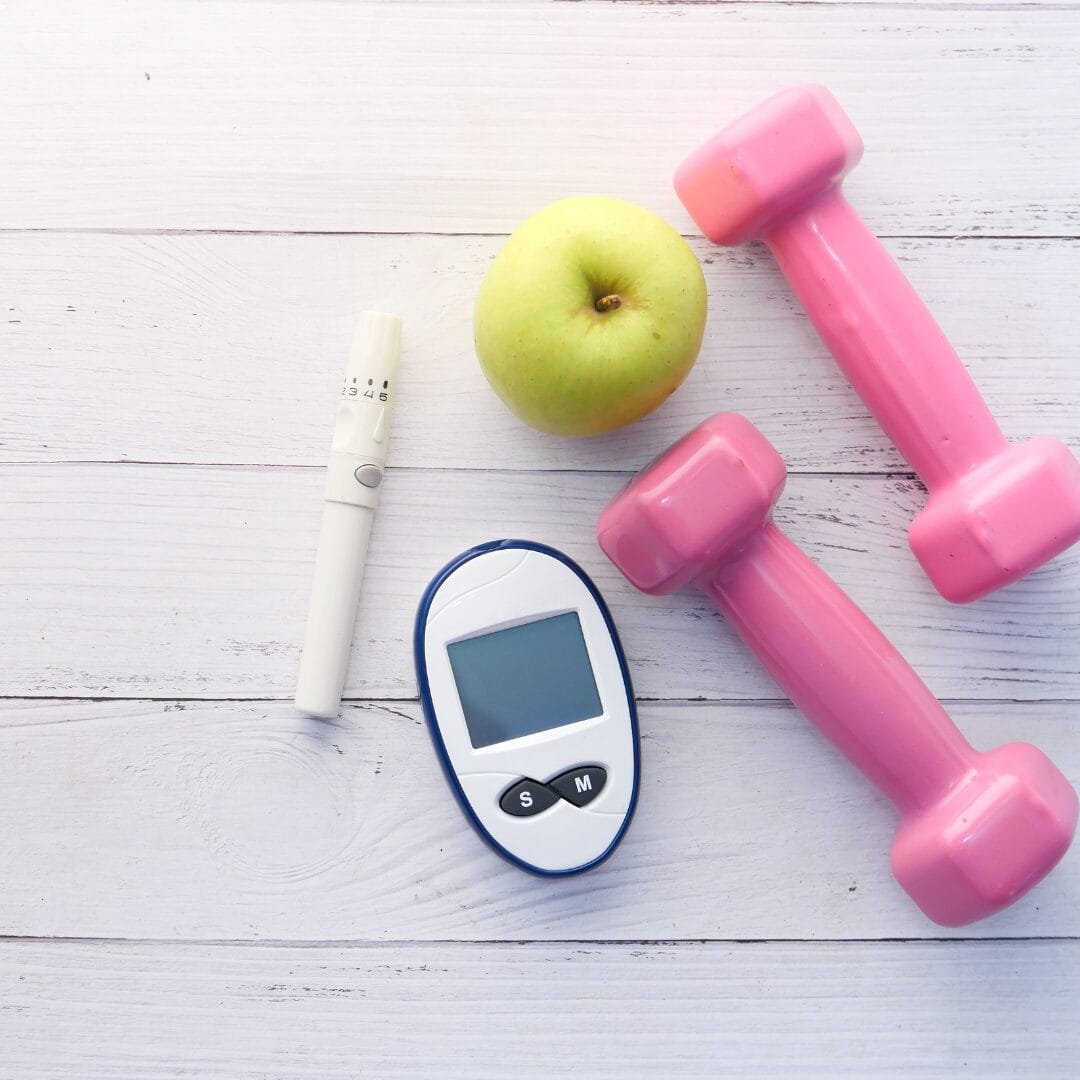
Exercise is arguably the most powerful non-pharmacological blood sugar intervention available. Muscle contraction during exercise uses glucose as fuel — directly lowering blood sugar during the activity. More importantly, regular exercise increases the number and efficiency of insulin receptors in muscle cells, improving insulin sensitivity for 24-48 hours after a single session.
The specific recommendation from current guidelines for Type 2 diabetes is at least 150 minutes of moderate-intensity aerobic activity per week — roughly 30 minutes on five days. But even significantly less than this produces measurable benefit. The most accessible starting point for most patients in Hyderabad is also the most evidence-backed intervention for post-meal blood sugar:
Walking after meals — the simplest blood sugar intervention
- A 10-15 minute walk within 30 minutes of finishing a meal reduces post-meal blood sugar by 10-20% in most patients
- This effect is specific to post-meal walking — it works because muscles are taking up glucose during movement
- Walking after dinner specifically is particularly valuable — evening blood sugar clearance is naturally slower
- No special equipment, no gym membership, no cost — and the benefit is immediate and measurable
- Cumulative effect over weeks: meaningful HbA1c improvement in consistent walkers
Resistance Training — Often Overlooked in Diabetes
Aerobic exercise gets most of the attention in diabetes management. Resistance training — using body weight, dumbbells, or resistance bands — deserves equal attention. Muscle tissue is the largest site of glucose uptake in the body. More muscle mass means greater capacity to absorb blood sugar. Resistance training two to three times per week significantly improves insulin sensitivity independent of aerobic activity.
For patients in Hyderabad with knee or joint problems that limit walking or running, seated resistance exercises, swimming, and cycling are effective alternatives that produce similar metabolic benefits without impact stress.
Sleep and Blood Sugar — A Two-Way Relationship
The relationship between sleep and blood sugar runs in both directions: poor blood sugar control disturbs sleep (frequent urination, night sweats), and poor sleep worsens blood sugar control. This bidirectional cycle can make diabetes progressively harder to manage in patients who are sleep-deprived — which describes a large proportion of Hyderabad's working population.
How poor sleep raises blood sugar
- Sleep deprivation raises cortisol — which directly raises blood glucose
- Poor sleep reduces insulin sensitivity by up to 25% the following day
- Sleep restriction increases ghrelin (hunger hormone) and reduces leptin (satiety hormone) — causing overeating, particularly of high-carbohydrate foods
- Chronic short sleep is an independent risk factor for developing Type 2 diabetes
- Sleep apnoea — common in overweight patients with diabetes — causes repeated cortisol spikes throughout the night, keeping morning blood sugar elevated
Addressing sleep quality is a legitimate part of diabetes management — not a peripheral lifestyle consideration. Patients with undiagnosed sleep apnoea who are struggling to control their diabetes despite medication changes often see significant improvement once the sleep disorder is treated.
Stress — The Blood Sugar Trigger Nobody Warns You About
Work pressure, financial stress, family demands, traffic — the daily stress load of life in urban Hyderabad is substantial. And every stressful event triggers a hormonal response that raises blood glucose. Cortisol and adrenaline — the stress hormones — signal the liver to release stored glucose as part of the fight-or-flight response. In a person with diabetes, this glucose cannot be cleared efficiently, producing elevated blood sugar that can persist for hours.
Chronic stress — not a single stressful event but sustained pressure over weeks and months — keeps cortisol chronically elevated. This produces a baseline blood sugar elevation that medication may struggle to overcome, because the problem is not insufficient medication — it is a continuous external input that keeps raising the number.
Evidence-based stress reduction approaches for diabetes
- Structured breathing exercises — even 5 minutes of slow breathing activates the parasympathetic nervous system and reduces cortisol
- Regular physical activity — has a direct stress-reducing effect independent of its blood sugar benefits
- Social connection — loneliness and isolation are independent stress drivers
- Limiting news and screen time before bed — reduces mental arousal that disrupts sleep and elevates cortisol
- Walking in natural environments — measurably reduces cortisol compared to urban environments
- Consistent daily routine — predictable schedules reduce the unconscious background stress of uncertainty
Pre-Diabetes — The Window Most People Miss
Pre-diabetes is arguably the most important diagnosis in the diabetes journey — because it is the stage where intervention most reliably prevents progression to Type 2. An HbA1c between 5.7% and 6.4% indicates blood sugar that is elevated above normal but not yet in the diabetic range. At this stage, the beta cells of the pancreas still have significant reserve function, and insulin resistance can often be substantially reversed with lifestyle change.
The challenge in India is that pre-diabetes is massively underdiagnosed — most people have no symptoms and do not get tested until a routine health check reveals an elevated reading. By then, some have already progressed to early Type 2. Every adult over 35 with any risk factors — family history, overweight, sedentary lifestyle, history of gestational diabetes — should be tested annually.
Get Tested If You Have Any of These Risk Factors
- Family history of diabetes — parent or sibling
- Overweight or obese — particularly abdominal weight
- Sedentary lifestyle — less than 30 minutes of physical activity most days
- History of gestational diabetes during pregnancy
- PCOS (polycystic ovary syndrome)
- Age above 35, particularly with any other risk factor
- Previous blood test showing borderline blood sugar
- Frequent fatigue, unusual thirst, or frequent urination
A simple HbA1c blood test screens for both pre-diabetes and diabetes. Consult Dr. Kranthi Kumar Reddy at Pure Ortho Hospitals, Sainikpuri: 8686868208
Can Type 2 Diabetes Be Reversed?
This is one of the most frequently asked questions in diabetology — and the honest answer is nuanced. In early-stage Type 2 diabetes, significant weight loss combined with sustained dietary change can sometimes produce remission — defined as HbA1c below 6.5% without medication for at least three months. This is more likely in patients who have had diabetes for fewer than five years and who achieve substantial weight reduction.
Remission is not a cure. The underlying susceptibility to diabetes remains. Remission can reverse if weight is regained or lifestyle changes are not sustained. And it is not achievable for every patient — it depends on how much insulin-producing capacity the pancreas has retained.
What is achievable for almost every patient with Type 2 diabetes through lifestyle change is meaningful improvement in blood sugar control, reduction in medication requirements, and significant delay or prevention of long-term complications. Even without remission, these outcomes matter enormously.
Meet Dr. Kranthi Kumar Reddy — Diabetologist at Pure Ortho Hospitals, Sainikpuri
Dr. Kranthi Kumar Reddy
Dr. Kranthi Kumar Reddy is the Diabetologist at Pure Ortho Hospitals, Sainikpuri, Hyderabad. He manages Type 1 and Type 2 diabetes, pre-diabetes, HbA1c optimisation, insulin initiation and management, and lifestyle-based diabetes management for patients across Sainikpuri and Hyderabad. His consultations address not just medication but the full picture of diet, activity, sleep, and stress — because sustainable blood sugar control requires all of these working together.
Patients with newly diagnosed diabetes, poorly controlled existing diabetes, or those wanting to reduce their medication burden through lifestyle change are encouraged to consult Dr. Kranthi Kumar Reddy at Pure Ortho Hospitals, Sainikpuri.
Frequently Asked Questions
Other Departments at Pure Ortho Hospitals
Consult Dr. Kranthi Kumar Reddy — Diabetologist in Sainikpuri
Whether you are newly diagnosed, struggling with poorly controlled diabetes, or want to reduce your medication through lifestyle — schedule a consultation at Pure Ortho Hospitals, Sainikpuri, Hyderabad.
Call 8686868208More from Pure Ortho Hospitals
This article is for patient education only. Please consult a qualified diabetologist before making any changes to your diabetes medication or management.