

Fracture or Just a Sprain? The Mistakes That Delay Proper Treatment
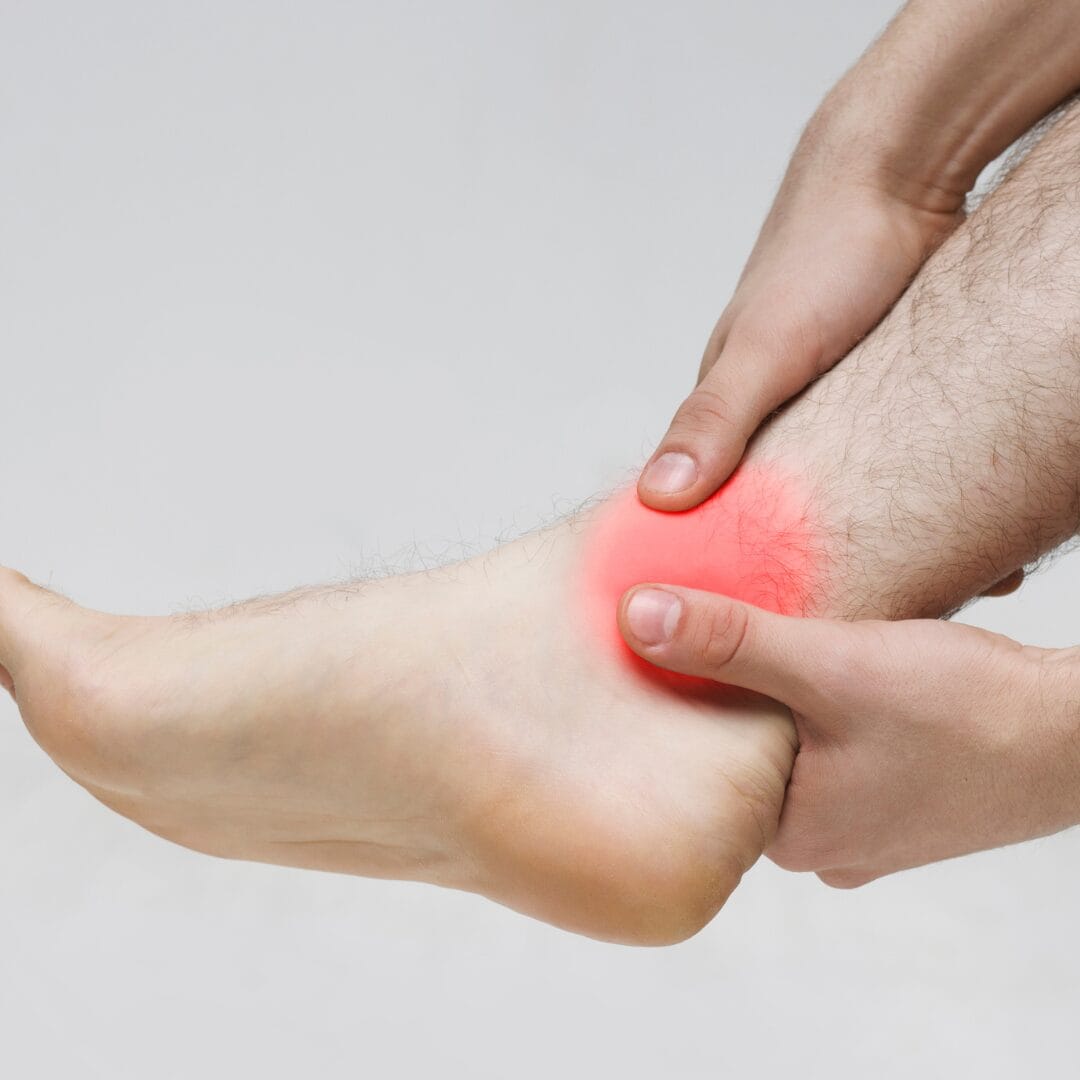
You twist your ankle stepping off a curb. Or you fall onto your wrist trying to catch yourself. There's pain. There's swelling. You can sort of move it, sort of walk on it. So you tell yourself it's "just a sprain" and decide to wait it out with ice and a few painkillers.
This is one of the most common mistakes people make with bone and joint injuries — and it's the reason many fractures end up healing badly, requiring corrective surgery, or causing long-term problems that could have been avoided. The truth is, you usually can't tell a fracture from a sprain on your own. Even doctors need an X-ray to be sure.
The Common Myth That Causes Most Delays
What People Believe
"If I can move it or walk on it, it's not broken. A fracture would hurt too much to function."
What's Actually True
Many fractures — especially hairline, stress, and small bone fractures — allow movement and weight-bearing. The pain can be misleadingly mild at first.
This single myth is responsible for more delayed diagnoses than almost any other reason. Patients walk on broken ankles for days. They keep using a fractured wrist for weeks. They assume "it's just a sprain" because the pain isn't unbearable. By the time they finally come in, the damage has often gotten worse.
Fracture vs Sprain — What's the Actual Difference?
Knowing the difference between these two injuries helps you understand why they need different treatment approaches. They affect completely different tissues — even though the symptoms overlap.
Fracture
- A break or crack in the bone itself
- Can range from hairline to complete break
- Often needs immobilisation or surgery
- Healing usually takes 6–12 weeks
- Without proper treatment, can heal in wrong position
- Always needs X-ray or scan to confirm
Sprain
- Stretching or tearing of ligaments around a joint
- Graded mild, moderate, or severe
- Most heal with rest and rehabilitation
- Usually resolves in 2–6 weeks
- Severe sprains can be as serious as fractures
- Still benefits from professional evaluation
Notice that severe sprains are not "less serious" than mild fractures — sometimes they take longer to heal and need more careful treatment. So even when you're sure it's a sprain, an evaluation is still worth it.
Why Hairline Fractures Are the Most Dangerous to Miss
Hairline fractures (also called stress fractures) are tiny cracks in the bone. They don't show up dramatically. The injured person can usually walk, move, and function. The pain is often described as "annoying but manageable." This is exactly what makes them dangerous.
If a hairline fracture is missed and the person continues using the affected limb, the crack can extend, displace, or worsen significantly. What started as a small stress fracture that would have healed with rest in 4–6 weeks can become a complete fracture needing surgery.
Common locations for missed hairline fractures
- Foot bones (metatarsals) — common in runners and people who increased activity suddenly
- Wrist (scaphoid) — easy to miss; often dismissed as wrist sprain
- Ankle — frequently misdiagnosed as a "bad sprain"
- Hip — especially in older adults after a fall
- Shin (tibia) — typical in athletes and military trainees
- Ribs — often overlooked after a fall or chest impact
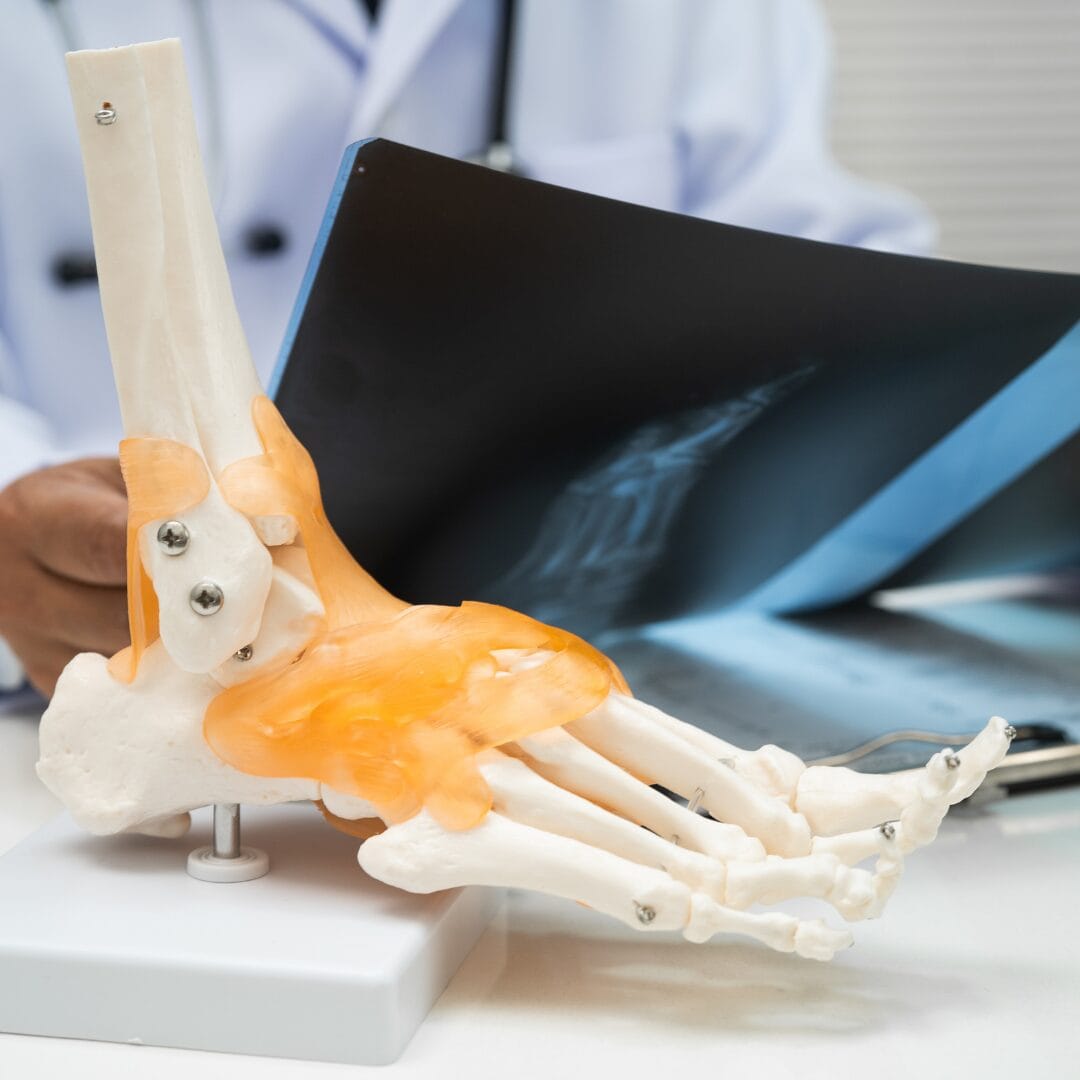
The 5 Most Common Mistakes That Delay Treatment
"I can move it, so it's not broken"
The biggest myth in injury self-diagnosis. Hairline and stable fractures often allow movement. The ability to use the limb tells you very little about whether the bone is broken.
"I'll wait a few days and see if it improves"
Bone injuries don't improve on their own the way muscle soreness does. Waiting often allows the damage to worsen. Lost time also means the bone may start healing in the wrong position.
Self-treating with home remedies and online advice
RICE protocol (rest, ice, compression, elevation) is fine for minor sprains — but if there's actually a fracture, none of these will help. The internet can't see your bone. Only an X-ray can.
Going to a general physician instead of an orthopaedic specialist
General physicians are not equipped to evaluate bone injuries thoroughly. An orthopaedic specialist with on-site imaging can give you a proper diagnosis in one visit instead of multiple referrals.
Trusting one X-ray that came back "normal"
Some fractures don't show up on initial X-rays — particularly stress fractures and certain wrist fractures. If pain persists despite a "normal" X-ray, you may need follow-up imaging. Don't assume the first scan settled the question.
Warning Signs You Should Never Ignore
If any of these are present after an injury, see an orthopaedic specialist the same day — preferably within hours. These signs suggest something significant has happened, even if the pain is bearable.
Visible deformity
Limb looks bent, twisted or out of place
Inability to bear weight
Cannot stand or walk on the leg/foot
Severe swelling
Rapid or extreme swelling at the site
Bruising spreading quickly
Discolouration extending beyond injury area
Numbness or tingling
Loss of feeling in fingers or toes — possible nerve damage
Cold or pale skin
Beyond the injury site — possible blood flow issue
Sharp pinpoint pain
Pain at one specific point on the bone
Pain worsens at night
Or doesn't improve with rest after 24–48 hours
What Happens If a Fracture Goes Untreated
Most people imagine the worst-case scenario as "the bone won't heal." Unfortunately, the more common — and harder to fix — outcome is that the bone heals in the wrong position. Once a fracture has set incorrectly, returning it to normal often requires breaking the bone again surgically and resetting it. This is far more invasive than simply treating the original fracture.
Possible consequences of a missed or delayed fracture diagnosis
- Malunion — bone heals in deformed position; visible angulation or shortening
- Non-union — bone fails to heal, requiring surgery to bridge the gap
- Chronic pain — the injured area never returns to full painless function
- Joint problems — improper healing affects the surrounding joints
- Reduced range of motion — limb doesn't move freely as before
- Early arthritis — joint surfaces wear faster after improper healing
- Need for corrective surgery later — far more complex than initial treatment
None of this is dramatic. None of it is something you want to deal with five years after a "minor" injury you ignored. The decision to get an X-ray on Day 1 is so much simpler than the decision to undergo corrective surgery on Day 1,500.
Why Choose Pure Ortho Hospitals for Bone Injuries
Pure Ortho Hospitals in Sainikpuri is a dedicated bone and joint hospital. This isn't a feature — it's the reason patients with potential fractures should come here rather than a general clinic.
What you get at Pure Ortho for any bone injury
- On-site X-ray and CT imaging — diagnosis in one visit
- Specialist orthopaedic surgeons evaluate every case directly
- Trauma and fracture care with 24×7 emergency support
- If hairline fracture is suspected but not visible — appropriate follow-up imaging
- If treatment is needed — full surgical and non-surgical options under one roof
- If it turns out to be a sprain — proper rehab guidance, not just "rest and ice"
You don't need to know whether it's a fracture or sprain. That's our job. Your job is to get it checked before delay turns a small problem into a much bigger one.

Frequently Asked Questions
Other Departments at Pure Ortho Hospitals
Pure Ortho Hospitals, Sainikpuri is a full-service Advanced Bone & Joint Institute. From minor injuries to complex trauma — every aspect of orthopaedic care is available under one roof.
When in Doubt, Get It Checked
An X-ray takes 10 minutes. Untreated fractures take years to fix. Don't wait it out — visit Pure Ortho Hospitals, Sainikpuri for a quick, proper evaluation.
📞 Call 8686868208More from Pure Ortho Hospitals
This article is for patient education only. Please consult a qualified orthopaedic surgeon before making any treatment decisions.