

Knee Replacement Surgery — Cost, Recovery, Mistakes and What to Expect
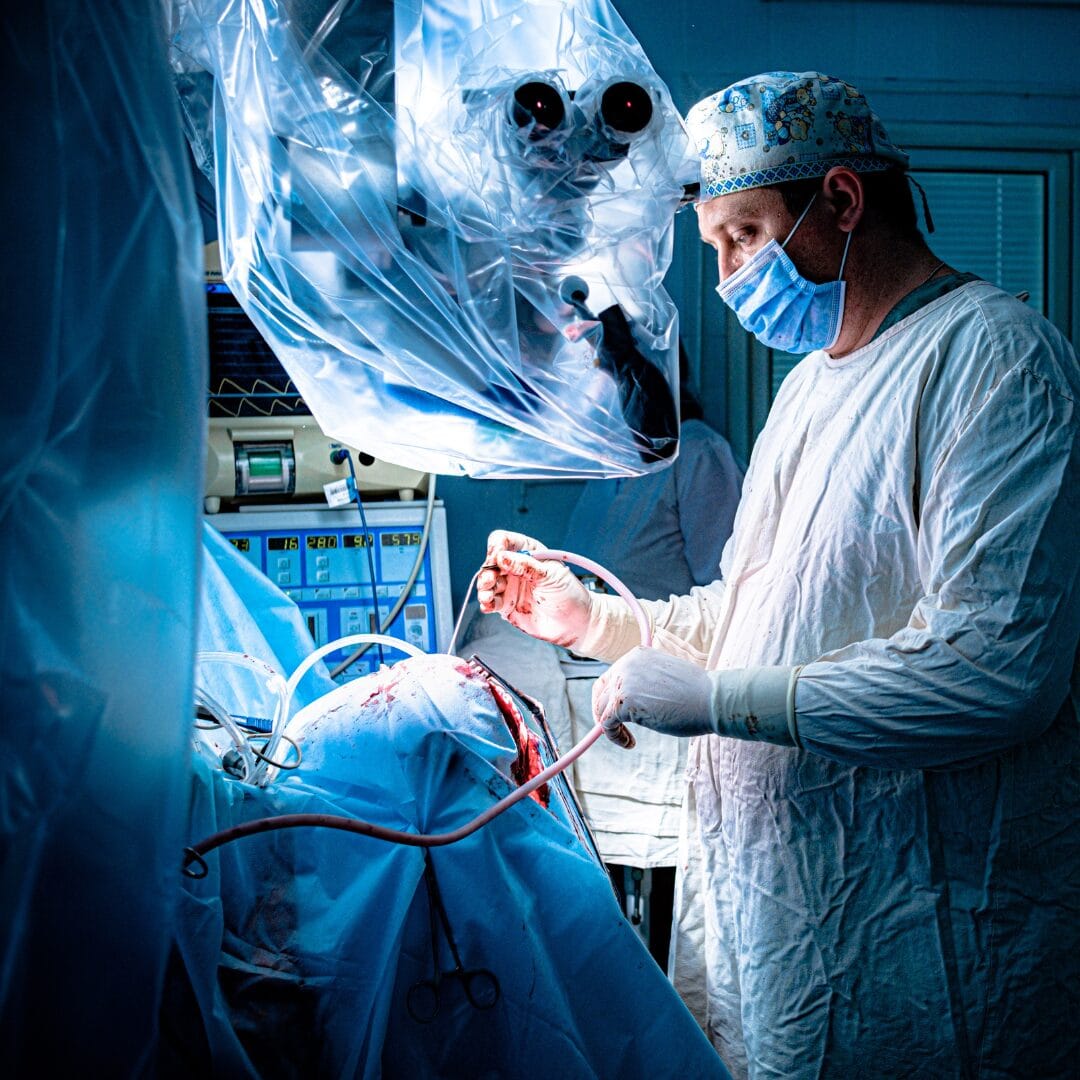
Knee replacement is one of the most common orthopaedic surgeries performed in India — and one of the most searched. Patients want to know the cost, the recovery time, whether it will actually work, what can go wrong, and what life looks like on the other side of the surgery. These are exactly the right questions to ask before making this decision.
This guide answers the questions that patients at Pure Ortho Hospitals, Sainikpuri, Hyderabad ask most frequently — with direct, honest answers. No vague reassurances. No marketing language.
Knee replacement surgery cost in Hyderabad is not a single fixed number — and any source quoting a precise figure without knowing your specific case is giving you incomplete information. The cost varies based on several factors that are unique to each patient.
Implant Type
Standard, high-flex, or premium implants differ in cost and longevity. Younger, more active patients often benefit from premium implants that support a wider range of motion.
Surgical Technique
Robotic-assisted surgery costs more than conventional surgery due to the CT planning and robotic system. The precision benefit is significant — particularly for younger patients.
Unilateral vs Bilateral
One knee or both. Bilateral simultaneous replacement has different implications for anaesthesia, recovery, and cost compared to staged procedures.
Hospital Stay Duration
Most knee replacements involve 3-5 days of inpatient stay. Complications or comorbidities like diabetes extend this and affect total cost.
Pre-operative Workup
CT scan (for robotic planning), blood work, cardiac evaluation, and anaesthesia assessment are part of the pre-operative process.
Insurance Coverage
Most major health insurance policies in India now cover knee replacement — including robotic surgery. Bring your policy documents to the consultation for a clear coverage picture.
The right approach is a consultation at Pure Ortho Hospitals, Sainikpuri where the surgical team reviews your X-rays, assesses your knee grade, and gives you a specific, itemised estimate for your case — not a generic range.
This is perhaps the most important question — because understanding what actually changes (and what does not) sets realistic expectations and helps patients commit fully to rehabilitation.
Before Surgery
- Constant knee pain — at rest and with activity
- Difficulty climbing stairs — often one step at a time
- Night pain disturbing sleep
- Dependency on pain medication daily
- Limping — altered gait to avoid pain
- Reduced walking distance
- Knee swelling that keeps returning
- Withdrawal from social and family activities
- Increasing isolation and low mood from chronic pain
After Surgery (6 months)
- Significantly reduced or eliminated knee pain
- Walking stairs normally with handrail support
- Uninterrupted sleep in most patients
- Reduced or no regular pain medication
- Normal walking gait restored
- Walking 2-3 km without stopping
- Swelling resolved
- Return to family outings, travel, daily activities
- Measurably improved quality of life scores
The transformation is real — but it is not instant. The first 6 weeks require effort and consistent physiotherapy. Patients who commit to rehabilitation achieve significantly better outcomes than those who expect the surgery alone to do all the work.
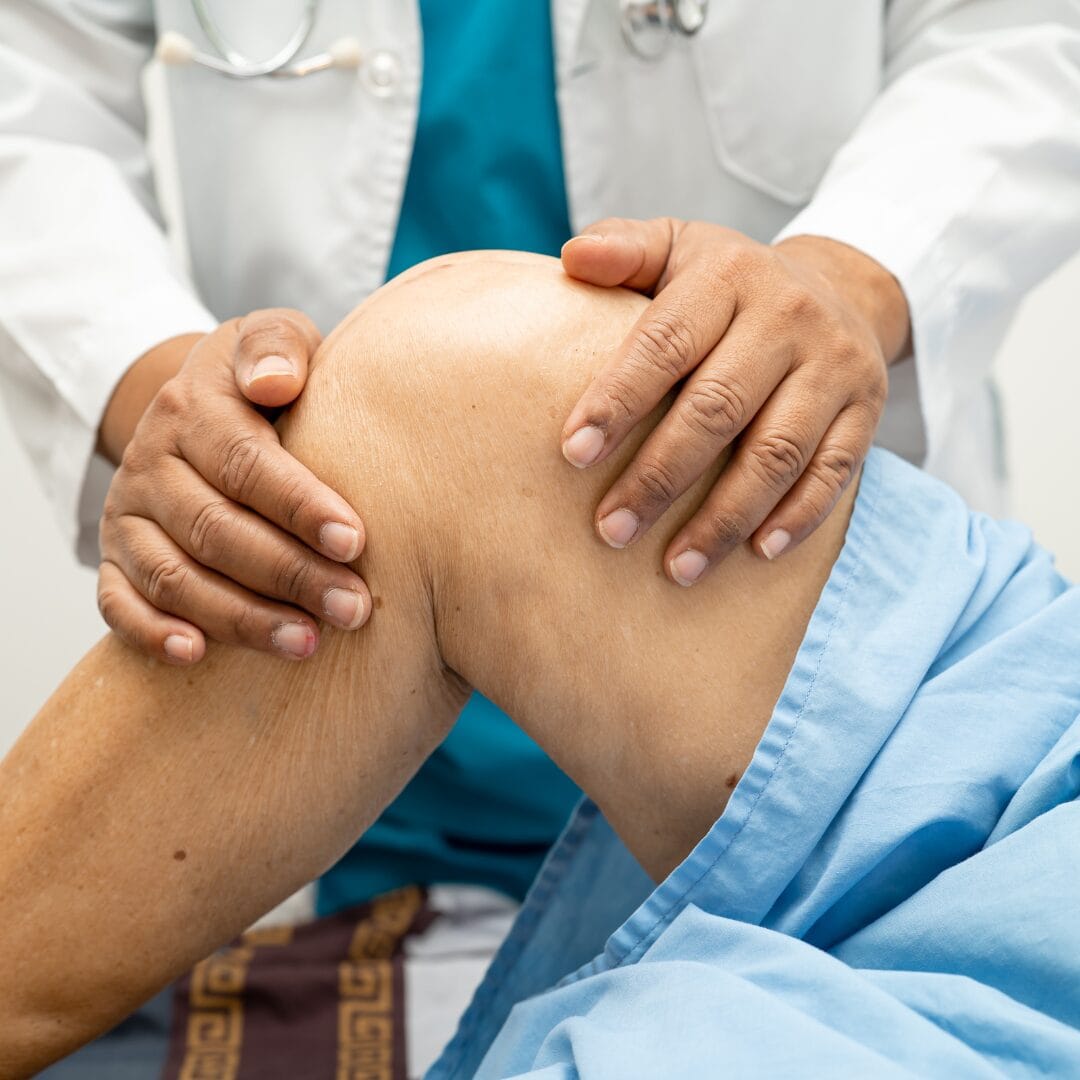
Recovery after knee replacement has distinct phases. Understanding what to expect at each stage prevents the two most common patient errors — pushing too hard too early, and stopping too early when things are going well.
Day 1
Walk with physio support. Pain managed. Begin range of motion exercises.
Day 3-5
Discharge. Walking with walker or crutches. Pain reducing daily.
Week 2-4
Swelling reducing. Stairs with handrail. Regular outpatient physio.
Week 6
Walking without aids for most patients. Driving considered.
Month 3
Return to most daily activities. Knee bending improving steadily.
Month 6
Full recovery for most patients. Return to walking, light travel, social life.
Recovery for elderly patients follows the same phases but at a slower pace. A 70-year-old with multiple health conditions will take longer than a 58-year-old with good baseline fitness. Your surgeon at Pure Ortho Hospitals, Sainikpuri will give you a timeline specific to your health profile — not a generic estimate.
What speeds up recovery
- Starting physiotherapy on day one — not waiting until pain fully settles
- Consistent daily home exercises as given by the physiotherapist
- Walking every day — even short distances — from week two
- Controlling blood sugar if diabetic — directly affects healing speed
- Maintaining healthy weight — less load on the new joint during recovery
- Good nutrition — adequate protein for tissue healing
This is one of the most-searched questions about knee replacement — and the answer directly affects long-term outcomes. These mistakes are common, preventable, and potentially serious.
Skipping or stopping physiotherapy
Once pain reduces, many patients assume rehabilitation is complete. It is not. Muscle strength and full range of motion take months to achieve. Stopping early leads to stiffness and weakness that is very difficult to reverse.
Returning to full activity too soon
The implant is in place but the surrounding muscles, tendons, and soft tissue are still healing. Overloading the joint before adequate healing increases the risk of complications and implant stress.
Ignoring warning signs
Fever above 38°C, increasing redness or warmth around the wound, sudden increased swelling, or severe pain after initial improvement — these are red flags. Contacting the surgeon immediately matters. Waiting to see if it resolves is dangerous.
Sitting for long periods
Prolonged sitting causes the new knee to stiffen and swelling to accumulate. Moving and stretching every 30-45 minutes matters more in the early recovery weeks than most patients realise.
Not managing blood sugar if diabetic
Poorly controlled diabetes after knee replacement significantly increases infection risk, delays wound healing, and compromises implant integration. Diabetic patients need coordinated diabetology and orthopaedic follow-up — available at Pure Ortho Hospitals, Sainikpuri.
Knee replacement has one of the strongest evidence bases in surgery — decades of global data, millions of procedures, and consistently high satisfaction rates. This is not marketing. It is the reason knee replacement remains the standard treatment for end-stage knee arthritis worldwide.
What the evidence shows
- Over 95% of patients report significant pain relief and improved function at one year
- Modern implants are designed and tested for 15-25 years of normal use
- Studies show 90-95% implant survival at 15 years with standard surgery
- Robotic-assisted surgery produces measurably better alignment — expected to further improve long-term survival
- Patient satisfaction with knee replacement consistently exceeds hip replacement in most studies
Success is not just about implant survival. It is about return to function — walking, climbing stairs, sleeping without pain, resuming daily life. On this measure, knee replacement is one of the most transformative elective procedures available in modern medicine. The caveat is consistent: success depends significantly on the quality of rehabilitation after surgery, not just the surgery itself.
This question deserves an honest answer — not a promotional one. Robotic knee replacement is genuinely better in specific, measurable ways. It is not magic, and it does not replace surgical skill. But the precision it adds is real and the clinical evidence supports its advantages.
What robotic surgery adds — specifically
- Sub-millimetre implant alignment — based on CT-planned patient-specific anatomy, not average templates
- Less bone removed — robotic arm prevents over-resection, preserving bone stock
- Less surrounding tissue damage — more controlled movement reduces soft tissue trauma
- Better ligament balancing — real-time tension assessment not possible with manual instruments
- Higher patient satisfaction — more patients report natural knee feel after robotic surgery
- Expected longer implant survival — accurate alignment reduces uneven wear over years
Pure Ortho Hospitals, Sainikpuri is one of the few hospitals in eastern Hyderabad — covering Sainikpuri, Secunderabad, Malkajgiri, ECIL, and Kapra — offering robotic-assisted knee replacement. This means patients in this corridor no longer need to travel to Banjara Hills or Jubilee Hills for the same level of precision surgery.
Whether robotic surgery is appropriate for your case is determined during a consultation. Not every knee needs it. But for patients who are candidates — particularly younger, more active patients who want the best long-term outcome — the precision advantage is meaningful.
Any surgeon who tells you knee replacement has no disadvantages is not giving you the full picture. Being honest about limitations helps patients make genuinely informed decisions and sets accurate expectations for recovery.
Genuine limitations and considerations
- The knee will not feel exactly like a natural knee — most patients have good function, but some activities like kneeling, squatting deep, or running are restricted or uncomfortable in some patients
- Recovery takes real effort — the surgery is a beginning, not an end. 3-6 months of consistent physiotherapy is required for full benefit
- Implant has a lifespan — modern implants last 15-25 years. Younger patients may eventually need revision surgery
- Post-surgical stiffness risk — a small percentage of patients develop stiffness (arthrofibrosis) if rehabilitation is inadequate. Prevention through active physio is essential
- Infection risk — low but real, particularly in diabetic or immunocompromised patients. Managed through careful surgical technique and post-operative monitoring
- Not suitable for all patients — patients with severe vascular disease, active infection, or very poor bone quality may not be candidates
These limitations do not negate the overall success of the procedure. For the right patient at the right stage of arthritis, the benefits far outweigh the limitations. The key is an honest specialist evaluation to confirm you are a suitable candidate — not a rushed decision in either direction.
Unilateral knee replacement refers to replacing one knee. When both knees need replacement, there are two options: simultaneous bilateral (both at the same time) or staged bilateral (one at a time, typically 3-6 months apart).
Staged vs simultaneous bilateral replacement
- Simultaneous bilateral: One surgery, one anaesthesia, one recovery period. Convenient but involves longer operative time and more physiological stress. Generally suitable for younger, fitter patients with good cardiac function
- Staged bilateral: Two separate surgeries months apart. Each recovery is managed individually. Lower surgical risk per procedure. Preferred for elderly patients or those with significant comorbidities
- The decision depends on age, cardiac fitness, diabetes status, and how different the severity is between the two knees
- Your surgeon at Pure Ortho Hospitals, Sainikpuri will assess which approach is appropriate based on your full health picture
Seek Immediate Attention After Knee Replacement If You Have
- Fever above 38°C in the first 2 weeks
- Redness, warmth, or discharge at the incision site
- Sudden severe increase in knee pain after initial improvement
- Significant calf pain or swelling — possible blood clot
- Feeling that the knee has shifted or given way
Pure Ortho Hospitals 24x7 emergency: 8686868208
Meet the Specialists at Pure Ortho Hospitals, Sainikpuri
Knee replacement at Pure Ortho Hospitals is performed by a specialist joint replacement team — with conventional and robotic options, in-house physiotherapy, and on-site diabetology for diabetic patients.
Dr. G. Uday Sekhar Reddy
MBBS, MS Ortho, MCh Ortho
Dr. V.S. Abhilash Kumar S
MBBS, MS Ortho, FIJR, FISS (S.Korea, USA) — Clinical Director
Dr. Pudari Manoj Kumar
MBBS, MS Ortho, FIJR, FIRJR
Dr. L. Sreeram
MPT (Ortho), FDOR, MIAP
Dr. L. Sri Dharani
BPT, MIAP, PTOTA (Canada)
Dr. Kranthi Kumar Reddy
MBBS, MD, C.Diab
Dr. B. Jayanth Varma
MBBS, Diploma in Anaesthesiology
Dr. Goutham Balachandra Reddy
MD (Anaesthesiology), Fellowship in Critical Care Medicine, IAFM
Frequently Asked Questions
Other Departments at Pure Ortho Hospitals
Ready to Get a Clear Answer on Your Knee?
Bring your X-rays and health history to Pure Ortho Hospitals, Sainikpuri. The specialist team will tell you exactly what stage your knee is in, whether surgery is genuinely needed, and what your options are.
Call 8686868208More from Pure Ortho Hospitals
This article is for patient education only. Please consult a qualified orthopaedic surgeon before making any treatment decisions.