

Why Your Back Hurts at the Office — And What Your Chair Is Doing to Your Spine

Somewhere around 3 PM on a working day, a familiar ache settles in. Lower back. Maybe between the shoulder blades. You shift in your chair, sit straighter for a few minutes, and carry on. Tomorrow, it is there again. Next week, it is worse.
Office back pain has become so common that most people treat it as normal — a side effect of working life that you simply live with. It is not normal. It is a warning that something is building up inside your spine, quietly, every single working day.
This is what is actually happening — and why it matters far more than most people realise.
The Human Spine Was Not Built for This
For most of human history, the spine was used for movement — walking, bending, lifting, carrying. Sitting still for eight to ten hours was not part of the equation. The spine is a dynamic structure designed to move, not to stay locked in one position under load.
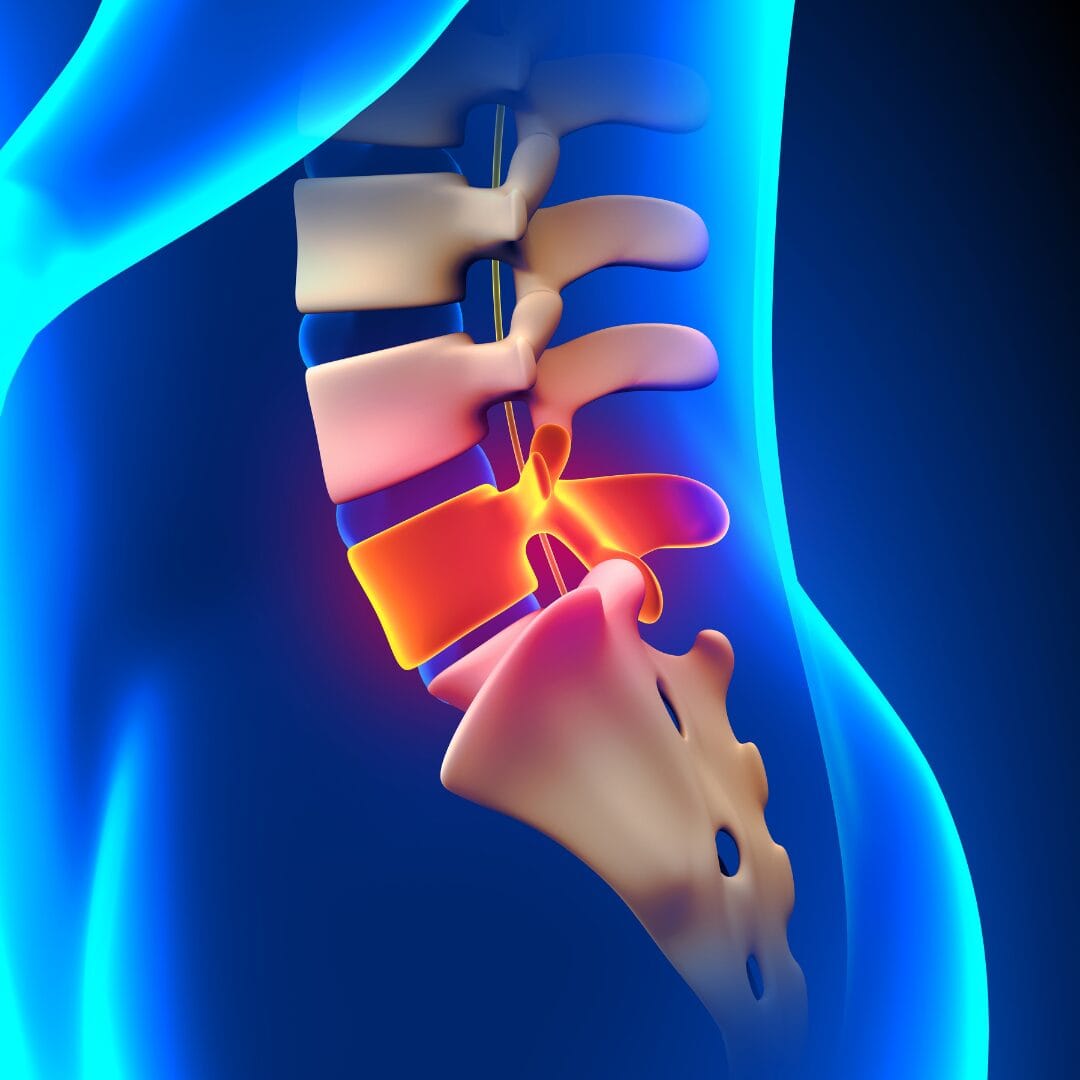
When you sit — especially with poor posture — you compress the lumbar discs at levels far exceeding what standing produces. Muscles that are supposed to support the spine switch off when you are static for too long. The deep stabilising muscles of the back weaken. The discs, which receive their nutrition through movement and compression cycles, stop getting the hydration they need. Over months and years, this adds up.
What Happens to Your Spine During a Typical Office Day
Most people do not think about what their spine is experiencing during a working day. Walk through it hour by hour.
Start
You sit down and begin work
Initial posture is usually reasonable. Disc pressure is elevated compared to standing but manageable. Deep spinal muscles are mildly active.
90 min
Posture begins to deteriorate
Fatigue sets in. The head starts moving forward. Shoulders round. The lumbar curve flattens. Disc compression increases. Most people are not aware this is happening.
Lunch
Brief relief — then back to the chair
Even a 30-minute lunch break partially decompresses the spine. But if lunch is eaten at the desk — which most IT professionals do — there is no break at all.
Post lunch
The afternoon slump
Energy drops. Posture collapses further. The head may now be sitting 4-5 cm forward of its neutral position, placing an additional 18-22 kg of effective load on the cervical spine. The lower back is fully rounded.
6 hrs
Pain signals begin
Muscle fatigue reaches a threshold. Discs are at maximum compression after sustained load. The ache in the lower back or between the shoulders becomes hard to ignore.
End
You leave the office — but the damage stays
The structural stress from today joins the accumulated stress from yesterday and every working day before it. Disc height has measurably reduced by day's end. It partially recovers overnight — but less completely with each passing year.
The Five Postural Problems Happening Right Now
Office workers typically develop a predictable pattern of postural dysfunction — not from one dramatic event, but from thousands of hours of small misalignments compounding over time.
Forward Head Posture
Head sits 4-7 cm in front of neutral position. Multiplies effective weight on cervical spine. Leads to neck pain, headaches, shoulder tension.
Loss of Lumbar Curve
The natural inward curve of the lower back flattens or reverses when slouching. Increases posterior disc pressure — the most common direction of disc herniation.
Rounded Shoulders
Shoulders roll forward. Chest muscles shorten, upper back muscles lengthen and weaken. Creates chronic upper back pain and contributes to shoulder problems.
Anterior Pelvic Tilt
Pelvis tips forward from weak hip flexors and core muscles. Compresses the lumbar facet joints and reduces disc spacing at the back of the spine.
Deep Muscle Deactivation
The multifidus and deep core stabilisers switch off during prolonged static posture. Without these active, the spine relies entirely on passive structures — which fatigue and degrade over time.
Hip Flexor Shortening
Sitting shortens the iliopsoas muscle over time. Tight hip flexors pull the pelvis forward, creating persistent lower back tension and affecting gait.
What Develops When This Continues for Years
The discomfort you feel at 4 PM is not the problem — it is the symptom of a problem that is building. Most people ignore it for years. Here is what that ignored pain can eventually become.
Disc Degeneration
Chronic compression reduces disc height and hydration. Discs that degenerate do not regenerate. This is permanent structural change.
Disc Herniation (Slip Disc)
Degenerated discs are more vulnerable to herniation. A single awkward lift can be the final event — but the damage had been building for years.
Cervical Spondylosis
Arthritis of the neck joints, previously a condition of the elderly, now appearing in professionals in their 30s from chronic forward head posture.
Sciatica
Disc herniation or piriformis tightness from prolonged sitting can compress the sciatic nerve, causing pain down the leg.
Chronic Lower Back Pain
What starts as occasional ache becomes persistent — present most days, affecting sleep, limiting activity, reducing quality of life.
Facet Joint Syndrome
Sustained compression of the small joints at the back of the spine leads to inflammation, pain with standing and extension.
Work From Home — The Hidden Aggravator
The shift to remote work changed the equation significantly. Office chairs — even basic ones — provide more support than kitchen chairs, sofas, and beds. Work from home setups are often not setups at all: a laptop on a coffee table, screen angled downward, neck bent for hours.
Spine clinics across India saw a measurable rise in back and neck pain presentations during and after the pandemic work-from-home period. The combination of worse furniture, longer screen hours, less walking between meetings, and no physiotherapy access created a wave of preventable spine problems in working adults.
If you work from home and your back has been hurting — your setup is almost certainly contributing. But the question is how much structural damage has already accumulated, and whether it needs professional attention.
The Signals That Tell You It Has Gone Beyond Posture
Most back pain from office work is musculoskeletal — tight muscles, fatigued stabilisers, postural strain. This type usually improves with rest and movement. But some signals indicate that the underlying spine structures are now involved, and that requires a specialist evaluation rather than a new chair.
See a Spine Specialist If You Have
- Back pain that radiates down one or both legs (possible disc pressing on nerve)
- Numbness, tingling, or weakness in the legs or feet
- Back or neck pain that has been present for more than 4-6 weeks without improvement
- Pain that wakes you at night
- Pain that is progressively worsening over weeks
- Any loss of bladder or bowel control — seek emergency care immediately
- You are under 40 and these symptoms are already significantly affecting your life
These signs go beyond postural strain. Contact Pure Ortho Hospitals, Sainikpuri: 8686868208
What an Evaluation at Pure Ortho Actually Involves
Many people hesitate to see a spine specialist for back pain because they assume it will immediately lead to discussions about surgery or extensive testing. At Pure Ortho Hospitals, a spine evaluation begins with understanding your specific situation — not with a predetermined outcome.
What happens at a spine consultation at Pure Ortho
- Detailed history of your pain — when it started, what makes it better or worse, work setup
- Physical examination — posture assessment, range of motion, nerve tension tests, muscle strength
- Imaging only if clinically indicated — X-ray, MRI based on examination findings
- Honest assessment — is this postural and manageable, or is there structural involvement?
- Treatment discussion — may be physiotherapy alone, may need more — explained clearly
- No pressure toward surgery unless genuinely indicated
For many office workers with back pain, the outcome of this consultation is a physiotherapy programme and ergonomic guidance. For some, imaging reveals disc changes that need closer monitoring or treatment. For a small number, there is a structural problem that has been building silently and needs attention before it becomes significantly worse.
The point is: you cannot know which category you fall into without an evaluation. The back pain you have been normalising for two years might be postural. Or it might be a disc issue that is three months from producing sciatica. Only a specialist examination can tell you.
Why Hyderabad's IT and Office Workforce Is Particularly at Risk
Hyderabad has one of the largest IT and service sector workforces in India. The combination of long working hours, work-from-home culture, high screen time, limited physical activity, and high-stress environments creates a perfect condition for cumulative spine damage.
Pure Ortho Hospitals, Sainikpuri regularly sees patients from the IT corridor — professionals in their late 20s and 30s with MRI findings that were previously associated with patients in their 50s. The trend is consistent, and it reflects years of ignored daily strain finally presenting as a clinical problem.
Early evaluation catches these cases at a point where the answer is usually straightforward. Late evaluation — after the disc has herniated or the nerve is compressed — is a significantly more involved conversation.
Meet the Specialists at Pure Ortho Hospitals
Office back pain spans spine care, physiotherapy, and pain management — all available under one roof at Pure Ortho Hospitals, Sainikpuri.
Dr. Sai Krishna C.S
MS Ortho (University Gold Medalist), DNB Ortho, Fellowship in Spine Surgery
Dr. V.S. Abhilash Kumar S
MBBS, MS Ortho, FIJR, FISS (S.Korea, USA) — Clinical Director
Dr. G. Uday Sekhar Reddy
MBBS, MS Ortho, MCh Ortho
Dr. L. Sreeram
MPT (Ortho), FDOR, MIAP
Dr. L. Sri Dharani
BPT, MIAP, PTOTA (Canada)
Dr. Kranthi Kumar Reddy
MBBS, MD, C.Diab
Frequently Asked Questions
Other Departments at Pure Ortho Hospitals
Back pain is often part of a broader spine and musculoskeletal picture. Pure Ortho Hospitals, Sainikpuri covers every aspect of orthopaedic care under one roof.
The Back Pain You Keep Ignoring Needs an Answer
Two years of daily aching at your desk is not something to normalise. Visit Pure Ortho Hospitals, Sainikpuri and find out what is actually happening in your spine — before it becomes a bigger problem.
Call 8686868208More from Pure Ortho Hospitals
This article is for patient education only. Please consult a qualified orthopaedic surgeon before making any treatment decisions.