
Slip Disc: Symptoms, Causes, Recovery & When You Need a Spine Specialist
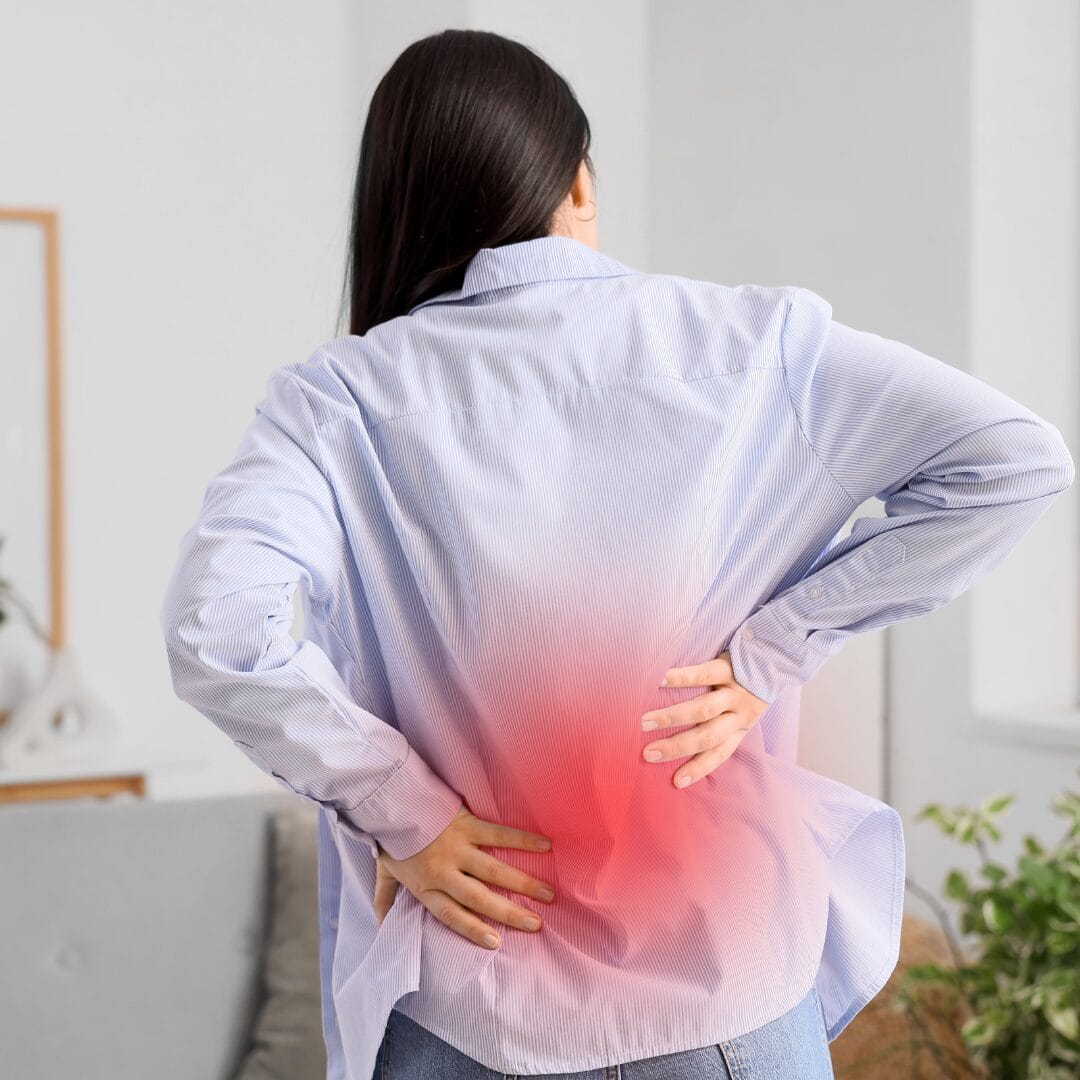
"Slip disc" is one of the most-searched back problems in India. It is also one of the most misunderstood. The term sounds dramatic, like the disc has actually slipped out of place, but the reality is more specific. Understanding what is really happening in your spine helps you make better decisions about treatment, and avoid panic about something that, in most cases, can be managed without surgery.
This guide explains slip disc in plain language: what it is, why it happens, the symptoms to watch for, what L4-L5 and L5-S1 disc problems actually mean, recovery timelines, and when you should see a spine specialist at Pure Ortho Hospitals, Sainikpuri.
What Is a Slip Disc?
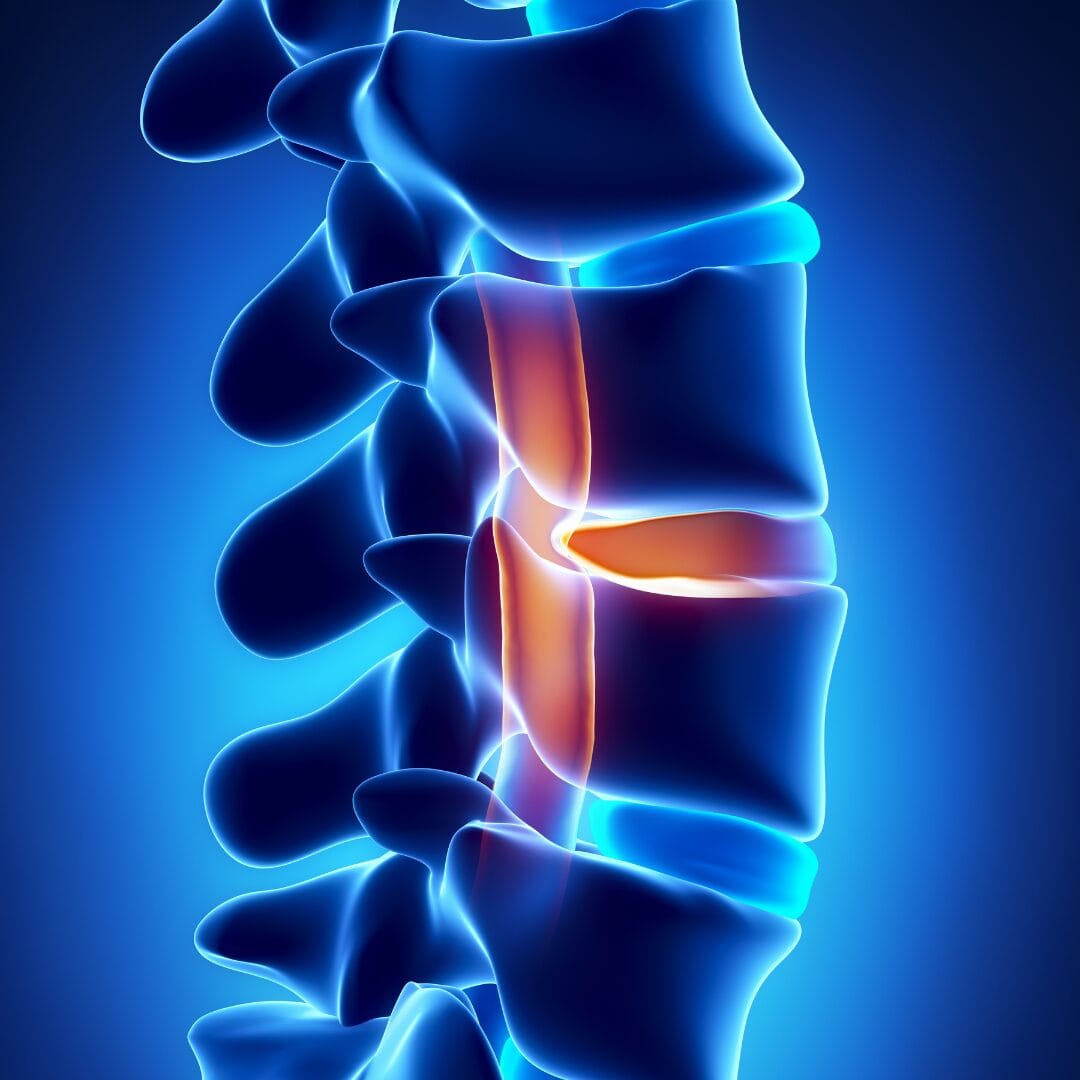
Your spine has 33 vertebrae stacked one above another. Between each pair of vertebrae sits a rubbery cushion called a disc. These discs absorb shock, allow movement, and keep the spine flexible. Each disc has a tough outer ring and a soft, gel-like centre.
A "slip disc" doesn't actually mean the disc has slipped out of position. The medically accurate terms are:
- Bulging disc — the disc has bulged outward but the outer layer is still intact
- Herniated disc — the soft inner gel has pushed through a tear in the outer layer
- PIVD (Prolapsed Intervertebral Disc) — the medical term commonly used in India
All three terms describe the same broad problem: a damaged disc pressing on surrounding nerves, causing pain that can radiate from your back down to your legs or arms.
Where Slip Disc Happens — The Disc Levels Explained
Your lower back (lumbar spine) and neck (cervical spine) are the most common areas affected. The disc levels are named by the vertebrae they sit between. Here is what each level means and why it matters.
Lower Back
Most common slip disc location. Causes lower back pain and sciatica down the leg.
Lumbo-Sacral Junction
Second most common. Often causes pain radiating to back of thigh, calf and foot.
Mid-Lower Back
Less common. Pain may radiate to front of thigh.
Neck (Cervical)
Common cervical level. Pain may travel into shoulder, arm, fingers.
Lower Neck
Tingling or weakness in arms, hand, and fingers.
Multiple Levels
Disc bulge across more than one level — often age-related.
What "L4 L5 Disc Bulge" Actually Means
If your MRI report says "L4 L5 disc bulge," it means the disc sitting between your 4th and 5th lumbar vertebrae has bulged outward. This is the most common slip disc in India because the L4-L5 level takes the highest mechanical load when you sit, bend, or lift. Office workers, drivers, and people with sedentary jobs are particularly prone to this.
What "L5 S1 Disc Bulge" Means
L5-S1 is the very last spinal disc, sitting between the 5th lumbar vertebra and the first sacral vertebra (where your spine meets your pelvis). A bulge here often pushes on the sciatic nerve, causing pain that travels down the back of your thigh, into the calf, and sometimes to the foot. This is called sciatica.
Symptoms of Slip Disc — What You Might Be Feeling
Slip disc symptoms vary depending on which disc is affected and how much it is pressing on nearby nerves. Some people have severe pain. Others feel only mild discomfort. The presence and combination of these signs matters.
Lower Back Pain
Constant ache or sharp pain that worsens with movement
Pain Down the Leg (Sciatica)
Pain travelling from buttock to thigh, calf, sometimes foot
Numbness or Tingling
Pins-and-needles feeling in legs, feet, arms or hands
Muscle Weakness
Difficulty lifting the foot or weak grip in hands
Pain When Sitting
Sitting for long periods makes pain significantly worse
Difficulty Walking
Limping or shortened walking distance because of pain
Pain When Coughing or Sneezing
Sudden movements increase pressure on the affected nerve
Stiffness in the Morning
Difficulty bending or straightening after waking up
If you have any combination of these symptoms, especially leg pain, numbness, or weakness alongside back pain, it is worth seeing a spine specialist. Early evaluation gives you the most treatment options.
Emergency Signs — Don't Wait
- Loss of bladder or bowel control
- Sudden weakness or paralysis in legs
- Numbness in groin or inner thighs (saddle anaesthesia)
- Severe pain following a major injury or fall
These suggest a serious nerve compression. Call 8686868208 immediately or visit Pure Ortho Hospitals 24×7 emergency.
What Causes Slip Disc?
Discs don't slip out of nowhere. The damage usually builds up over years. By the time symptoms appear, the disc has often been weakening for a long time. Understanding what causes it helps explain why some patients develop it earlier than others.
Common causes and risk factors
- Age-related wear and tear — discs naturally lose water content and elasticity with age
- Sedentary lifestyle — long sitting hours, IT/desk jobs, poor posture
- Heavy lifting — incorrect lifting technique, sudden heavy lifts
- Repeated bending or twisting — common in physical jobs
- Obesity — extra weight increases load on lumbar discs
- Smoking — reduces blood supply to discs, accelerating degeneration
- Sudden injury or trauma — falls, road accidents, sports injuries
- Genetic predisposition — some families have weaker discs
- Lack of core muscle strength — weak back and abdominal muscles overload the spine
The 4 Stages of Disc Damage
Disc problems don't all look the same on imaging. Understanding the stages helps you know how serious your specific situation is, though only a spine specialist with your scans can confirm where you stand.
Disc Degeneration
Disc loses water and starts wearing out. Mild back pain may begin.
Prolapse / Bulge
Disc bulges outward but outer ring still intact. Pain often increases.
Extrusion
Inner gel breaks through outer ring. Significant nerve compression possible.
Sequestration
Disc fragment breaks away. Most severe form — surgery often needed.
How Slip Disc Is Diagnosed
Self-diagnosis of slip disc through Google searches is risky — back pain has dozens of possible causes, and slip disc is just one. A proper diagnosis at Pure Ortho Hospitals involves clinical examination plus imaging.
Diagnostic process at Pure Ortho
- Detailed history — when pain started, what makes it worse, what helps
- Physical examination — checking reflexes, muscle strength, sensation
- Special tests — straight leg raise test, range of motion checks
- Imaging — X-ray, MRI (most accurate for soft tissue and discs)
- Nerve conduction studies — if nerve damage is suspected
- Review of overall health — diabetes, osteoporosis, other conditions
An MRI is usually the gold standard for confirming slip disc. It shows the exact disc level affected, how severe the bulge is, and how much it is pressing on nearby nerves.
Treatment Options — From Conservative to Surgical
Here is one of the most reassuring facts about slip disc: roughly 80–90% of cases improve significantly without surgery. The treatment approach depends entirely on the severity, the level affected, and how it is impacting your life. At Pure Ortho Hospitals, treatment is matched to the patient — not the other way around.
Treatment paths your spine specialist may discuss
- Rest and activity modification — early stages often respond to short rest periods
- Pain management — medications to control pain and inflammation
- Physiotherapy — strengthening, stretching, posture correction
- Epidural injections — anti-inflammatory injections for severe nerve pain
- Spinal decompression therapy — non-surgical traction for select cases
- Endoscopic spine surgery — minimally invasive procedure, fast recovery
- Microdiscectomy — removing the part of the disc pressing on the nerve
- Spinal fusion — for severe cases with instability
Which path is right for you depends on factors only a specialist can assess. Surgery is rarely the first answer. But when it is needed, modern endoscopic spine surgery offers significantly faster recovery than traditional open surgery.
Recovery Time — How Long Does Slip Disc Take to Heal?
This is one of the most asked questions, and the honest answer is: it depends. Mild cases improve within a few weeks. Severe cases may take months. The biggest factors are which stage of damage you are in, how committed you are to physiotherapy, and how well you make lifestyle adjustments.
General recovery timeline (varies per patient)
- Week 1-2: Acute pain phase. Rest, medication, gentle movement
- Week 2-6: Pain typically reduces. Physiotherapy begins
- Week 6-12: Most patients see significant improvement
- 3-6 months: Full functional recovery for most non-surgical cases
- After surgery: Endoscopic surgery — return to light activity in 1-2 weeks; full recovery in 6-12 weeks
It is important to note: a "healed" disc isn't a perfectly normal disc. The structural change remains. What heals is the inflammation, the pain, and the nerve compression. With proper care, most patients return to full normal life — but ongoing back care becomes part of life.
How to Protect Your Spine Going Forward
Once you have had slip disc, prevention of recurrence becomes important. The same factors that caused it the first time will likely cause it again if not addressed.
What helps prevent slip disc recurrence
- Regular core strengthening exercises (under physiotherapist guidance)
- Maintain healthy weight
- Avoid prolonged sitting — take breaks, stretch every hour
- Use proper posture at work — ergonomic chair, screen at eye level
- Lift correctly — bend knees, keep back straight, don't twist while lifting
- Stay physically active — walking, swimming are excellent for spine health
- Stop smoking — improves disc nutrition
- Annual spine check-up if you've had a previous episode
Meet the Specialists at Pure Ortho Hospitals
Slip disc treatment at Pure Ortho Hospitals is handled by a multidisciplinary team. Spine surgery, orthopaedic care, physiotherapy, anaesthesia and critical care work together to give you complete care under one roof.
Dr. Sai Krishna C.S
MS Ortho (University Gold Medalist), DNB Ortho, Fellowship in Spine Surgery
Dr. V.S. Abhilash Kumar S
MBBS, MS Ortho, FIJR, FISS (S.Korea, USA) — Clinical Director, Sports Medicine & Robotic Joint Replacement
Dr. G. Uday Sekhar Reddy
MBBS, MS Ortho, MCh Ortho
Dr. Pudari Manoj Kumar
MBBS, MS Ortho, FIJR, FIRJR
Dr. Sai Karthikeya Badri
MBBS, D. Ortho, DNB
Dr. L. Sreeram
MPT (Ortho), FDOR, MIAP
Dr. L. Sri Dharani
BPT, MIAP, PTOTA (Canada)
Dr. B. Jayanth Varma
MBBS, Diploma in Anaesthesiology
Dr. Goutham Balachandra Reddy
MD (Anaesthesiology), Fellowship in Critical Care Medicine, IAFM
Dr. Kranthi Kumar Reddy
MBBS, MD, C.Diab
Dr. B. Vishal
MBBS, MS (Gen. Surgery), DNB, MRCS (England), MCh (Vascular Surgery)
Dr. D. Raghuveer Reddy
MBBS, MS (General Surgery), MCh (Plastic & Reconstructive Surgery)
Why Pure Ortho Hospitals for Slip Disc Treatment
Slip disc isn't just a spine problem — it often involves multiple specialties working together. Pain management, physiotherapy, possibly surgery, and rehab all need coordination. At Pure Ortho Hospitals, all of this happens under one roof, which means faster diagnosis, smoother treatment, and continuous follow-up with the same team.
You won't be sent from one clinic to another for tests. You won't be pushed toward surgery if it isn't needed. You will get a clear, honest picture of what is going on with your spine, and what your real options are.
Frequently Asked Questions
Other Departments at Pure Ortho Hospitals
Spine care is part of a complete bone and joint hospital. Pure Ortho Hospitals, Sainikpuri offers full orthopaedic and supporting specialties under one roof.
Stop Guessing About Your Back Pain
Slip disc has many faces. Only a proper evaluation can tell you what is really happening with your spine. Visit Pure Ortho Hospitals, Sainikpuri for an honest assessment from our spine team.
Call 8686868208More from Pure Ortho Hospitals
This article is for patient education only. Please consult a qualified spine specialist before making any treatment decisions.