Calcium and Vitamin D — Why Indians Have Low Bone Density (And Most Don't Know It)
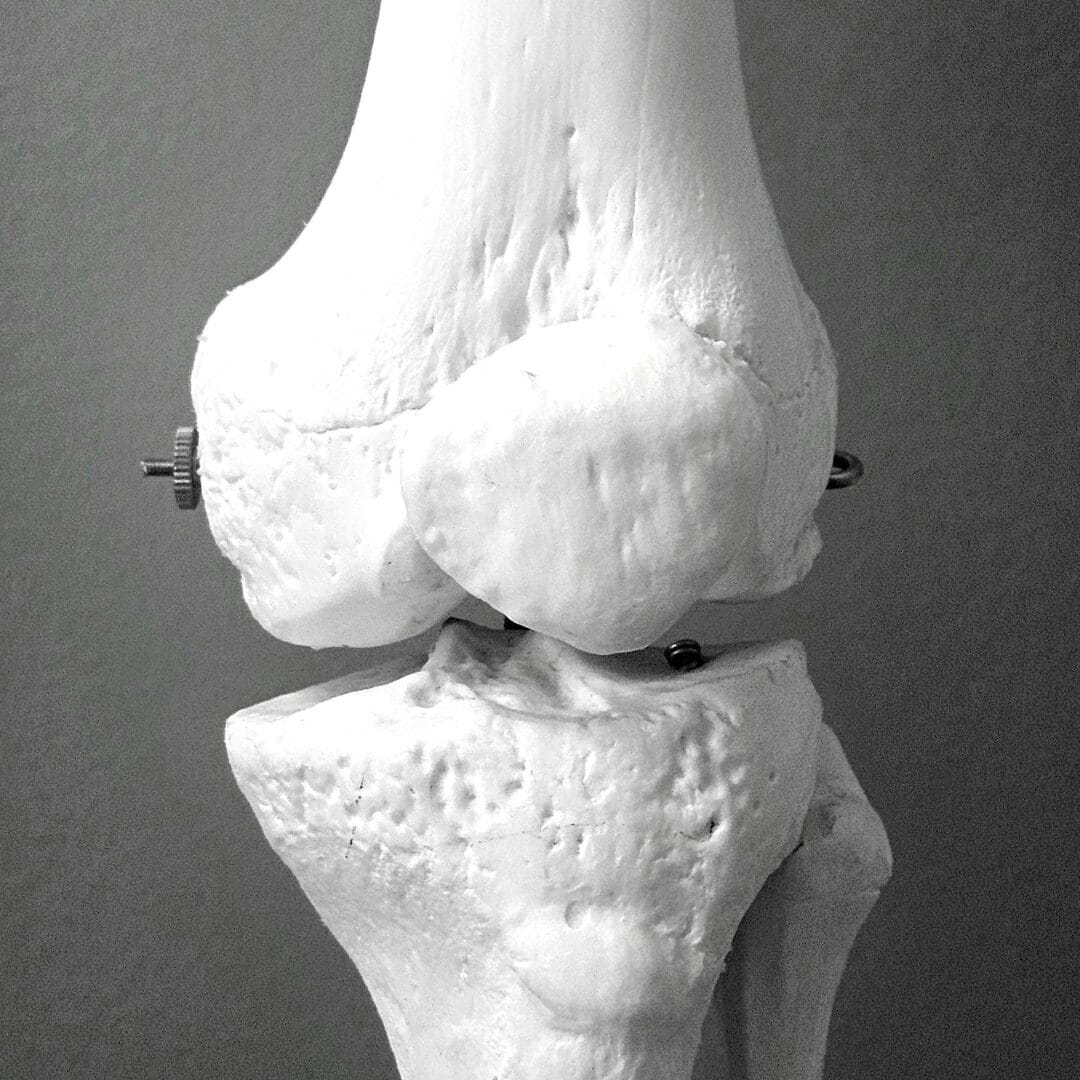
India is one of the sunniest countries in the world. And yet, India also has some of the highest rates of Vitamin D deficiency anywhere on the planet. This is not a paradox — it is a consequence of how modern Indians live, eat, and work.
The result is a quiet epidemic of low bone density that is affecting people of all ages — not just the elderly. Fractures that happen from minor falls, back pain from vertebral collapse, and bones that break under stresses they should easily withstand. Most of these people have no idea their bones are at risk until the damage is done.
Darker skin, indoor work, covered clothing, and low dietary calcium create a perfect combination for silent bone loss.
How Bones Actually Work — What Most People Don't Know
Bone is not an inert structure like a table or a pillar. It is living tissue that is continuously broken down and rebuilt throughout your life. Specialised cells remove old bone (osteoclasts) and other cells build new bone (osteoblasts). This process, called remodelling, keeps bones strong and repairs microscopic damage from daily use.
The remodelling process depends on two things above almost everything else: adequate calcium (the structural material of bone) and adequate Vitamin D (which regulates how calcium is absorbed from food and deposited into bone). When either is chronically deficient, the remodelling process tips toward net bone loss — and bone density declines year by year, silently, without symptoms.
By the time symptoms appear — a fracture from a minor fall, visible height loss, chronic back pain from vertebral changes — significant bone loss has already occurred. This is why bone density is called a "silent" condition, and why testing before symptoms appear is so important.
Why Indians Are Specifically at High Risk
The combination of factors affecting bone health in India is unique and runs deeper than simple dietary habits. Understanding why helps explain what needs to change — and who is at greatest risk right now.
Darker Skin Pigmentation
Melanin in darker skin reduces the efficiency of Vitamin D synthesis from sunlight. Indians need significantly more sun exposure than lighter-skinned populations to produce the same amount of Vitamin D.
Indoor Lifestyle
Office workers, students, and IT professionals spend most daylight hours indoors. Even with abundant sunshine outside, if you are not exposed to it, your body cannot produce Vitamin D.
Covered Clothing
Cultural and religious practices that involve covering most of the skin reduce the body surface available for Vitamin D synthesis significantly.
Low Dietary Calcium
Many Indians — particularly those with low dairy consumption or purely vegetarian diets — do not reach adequate daily calcium intake. Plant-based calcium sources are often less absorbable.
High Phytate Diet
Whole grains, legumes, and pulses — staples of the Indian diet — contain phytates that bind to calcium and reduce its absorption from food.
Lactose Intolerance
A significant proportion of Indians have some degree of lactose intolerance, limiting dairy consumption and therefore dietary calcium.
Female Population Post-Menopause
The sharp drop in oestrogen after menopause accelerates bone loss dramatically. Indian women often have lower baseline bone density entering menopause — compounding the risk significantly.
Low Physical Activity
Weight-bearing exercise stimulates bone formation. Sedentary urban lifestyles mean this stimulus is reduced, accelerating the imbalance between bone removal and bone formation.
Osteoporosis vs Osteomalacia — Not the Same Condition
These two conditions are frequently confused and sometimes mentioned together. They are related but distinct, and they require different approaches.
Osteoporosis
- Bones lose density — become porous
- Bone structure is reduced quantitatively
- Common in post-menopausal women and older men
- Usually no pain until a fracture occurs
- Diagnosed by BMD (DEXA scan) — T-score
- Age-related bone loss is a primary driver
Osteomalacia
- Bones fail to mineralise properly — become soft
- Bone structure present but not properly hardened
- Strongly linked to Vitamin D deficiency
- Can cause bone pain, muscle weakness, tenderness
- Diagnosed by blood tests and imaging
- Particularly common in India due to Vit D deficiency
Both conditions increase fracture risk — but their causes and treatments differ. A patient with bone pain and Vitamin D deficiency may have osteomalacia, not osteoporosis. Only a proper evaluation with blood tests and imaging can distinguish between them. Treating the wrong condition with the wrong approach wastes time and can worsen outcomes.
Weak Bones Symptoms — What to Watch For
The most challenging aspect of bone loss is that it produces no symptoms in its early stages. Bones do not ache as they thin. Vertebrae can partially collapse under normal daily loads — bending to pick something up — and the person may feel only mild back pain, attributing it to muscle strain.
Warning signs that bone health may be compromised
- Fracture from a minor fall or low-impact event — a healthy bone does not break from a fall at standing height
- Gradual loss of height — vertebral compression fractures can reduce height by several centimetres over years
- Stooped or rounded posture — progressive spinal curvature (kyphosis) from vertebral changes
- Persistent back pain without a clear cause — may indicate vertebral fracture from osteoporosis
- Bone or joint pain — more consistent with osteomalacia from Vitamin D deficiency
- Muscle weakness — Vitamin D deficiency affects muscle function as well as bone
- Dental problems — loss of jaw bone density can affect tooth stability
Understanding Your BMD Test — What the T-Score Means
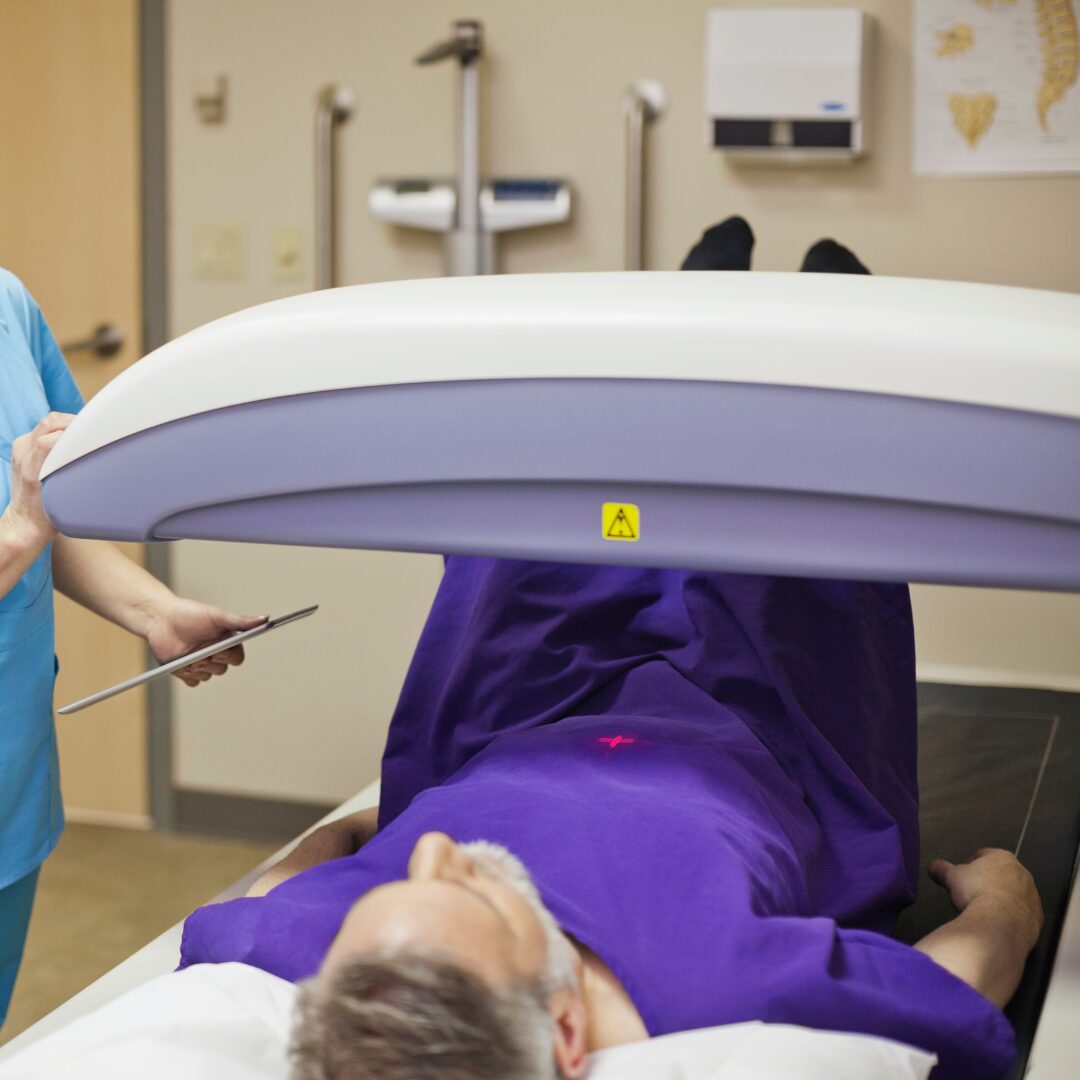
A bone mineral density (BMD) test uses a DEXA (dual-energy X-ray absorptiometry) scan — a painless, low-radiation procedure lasting about 15-20 minutes. It produces a T-score, which compares your bone density to that of a healthy young adult of the same sex.
Normal
Bone density within healthy range. Continue monitoring at recommended intervals.
Osteopenia
Below normal but not yet osteoporosis. Risk of further loss — early intervention appropriate.
Osteoporosis
Significant bone loss. Elevated fracture risk. Medical management required.
Knowing your T-score is the foundation of bone health management. Without it, any discussion of treatment, supplementation, or lifestyle change is guesswork. The test is the starting point — and it is available at Pure Ortho Hospitals, Sainikpuri.
Who Should Get a Bone Density Test?
Consider a BMD test if you are
- A woman above 45, particularly post-menopausal
- A man above 50, especially with additional risk factors
- Anyone who has had a fracture from a fall at standing height or less
- On long-term steroid medications (significantly accelerates bone loss)
- Diagnosed with rheumatoid arthritis, thyroid disorders, or kidney disease
- A vegetarian or vegan with low dairy intake
- Someone who works indoors and has limited sun exposure
- A woman with early menopause (before 45)
- Anyone with a parent who had a hip fracture
- Underweight individuals (low body weight is a significant risk factor)
Foods That Support Bone Strength
Diet is only part of the picture — Vitamin D deficiency in most Indians is not correctable by diet alone, since very few foods contain meaningful amounts of Vitamin D. But calcium intake through food is important and achievable.
Dairy — Milk, Curd, Paneer
Most bioavailable calcium source. Full-fat and low-fat both effective. Daily consumption matters.
Ragi (Finger Millet)
Highest plant-based calcium source in the Indian diet. Particularly valuable for vegetarians and those with lactose intolerance.
Sesame Seeds (Til)
Exceptionally high in calcium. Used in chutneys, laddoos, and cooking — small quantities add meaningful calcium.
Green Leafy Vegetables
Amaranth, drumstick leaves, colocasia — good calcium sources, though absorption is lower than from dairy.
Eggs (Yolk)
One of the few natural food sources of Vitamin D. The yolk contains the Vitamin D — not the white.
Fatty Fish
Salmon, mackerel, and sardines contain meaningful Vitamin D. Limited availability in inland India but valuable when accessible.
Fortified Foods
Some brands of milk, cereals, and orange juice are now fortified with Vitamin D. Check labels — not all are.
Small Fish with Bones
Anchovies and small river fish eaten whole are excellent calcium sources — the bones provide the mineral directly.
The important reality: food alone is rarely sufficient to correct established Vitamin D deficiency. Most Indians require supplementation — but the correct dose and form should be determined after blood tests, not self-prescribed. Taking excessive Vitamin D without monitoring can cause toxicity.
What Happens When Low Bone Density Is Ignored
The consequences of untreated osteoporosis are not minor. They are among the most disabling orthopaedic outcomes in older adults — and they are largely preventable if bone loss is identified and managed before fractures occur.
Consequences of untreated bone loss
- Vertebral compression fractures — spinal bones collapse under normal loads, causing height loss and chronic back pain
- Hip fracture — one of the most serious orthopaedic events; associated with significant mortality in the elderly
- Wrist fracture — common in falls; often the first fracture that reveals undiagnosed osteoporosis
- Multiple fractures — once one fragility fracture occurs, the risk of further fractures increases substantially
- Loss of independence — hip and spine fractures frequently reduce mobility and independence in older patients
- Chronic pain — vertebral fractures produce persistent back pain that significantly affects quality of life
None of this is inevitable. Early identification through a BMD test, appropriate management of Vitamin D and calcium levels, and specialist follow-up changes the trajectory significantly. The window for meaningful intervention is wide — but it closes as bone loss advances.
What an Evaluation at Pure Ortho Hospitals Involves
Bone health assessment at Pure Ortho Hospitals, Sainikpuri starts with understanding your individual risk picture — not with a generic recommendation for supplements.
What your bone health consultation covers
- Detailed history — diet, sun exposure, medications, family history, fractures
- Physical examination — height measurement, posture, evidence of vertebral changes
- Blood tests — Vitamin D levels, calcium, phosphorus, kidney and thyroid function as needed
- BMD (DEXA scan) — to quantify bone density and establish your T-score
- X-ray — if vertebral fracture is suspected
- Assessment of contributing conditions — diabetes, thyroid, steroids, kidney disease
- Personalised management plan — based on your specific results, not a standard protocol
Meet the Specialists at Pure Ortho Hospitals
Bone density and metabolic bone conditions are managed by a multidisciplinary team at Pure Ortho Hospitals, Sainikpuri.
Dr. G. Uday Sekhar Reddy
MBBS, MS Ortho, MCh Ortho
Dr. V.S. Abhilash Kumar S
MBBS, MS Ortho, FIJR, FISS (S.Korea, USA) — Clinical Director
Dr. Pudari Manoj Kumar
MBBS, MS Ortho, FIJR, FIRJR
Dr. Kranthi Kumar Reddy
MBBS, MD, C.Diab — Managing metabolic conditions that affect bone health
Dr. L. Sreeram
MPT (Ortho), FDOR, MIAP
Dr. L. Sri Dharani
BPT, MIAP, PTOTA (Canada)
Frequently Asked Questions
Other Departments at Pure Ortho Hospitals
Bone health concerns connect to multiple specialties at Pure Ortho Hospitals, Sainikpuri — all available under one roof.
Don't Wait for a Fracture to Find Out
Bone loss is silent. A BMD test takes 20 minutes and tells you exactly where your bone health stands. Visit Pure Ortho Hospitals, Sainikpuri for a complete bone health evaluation.
Call 8686868208More from Pure Ortho Hospitals
This article is for patient education only. Please consult a qualified doctor before starting any supplementation or treatment for bone health.