

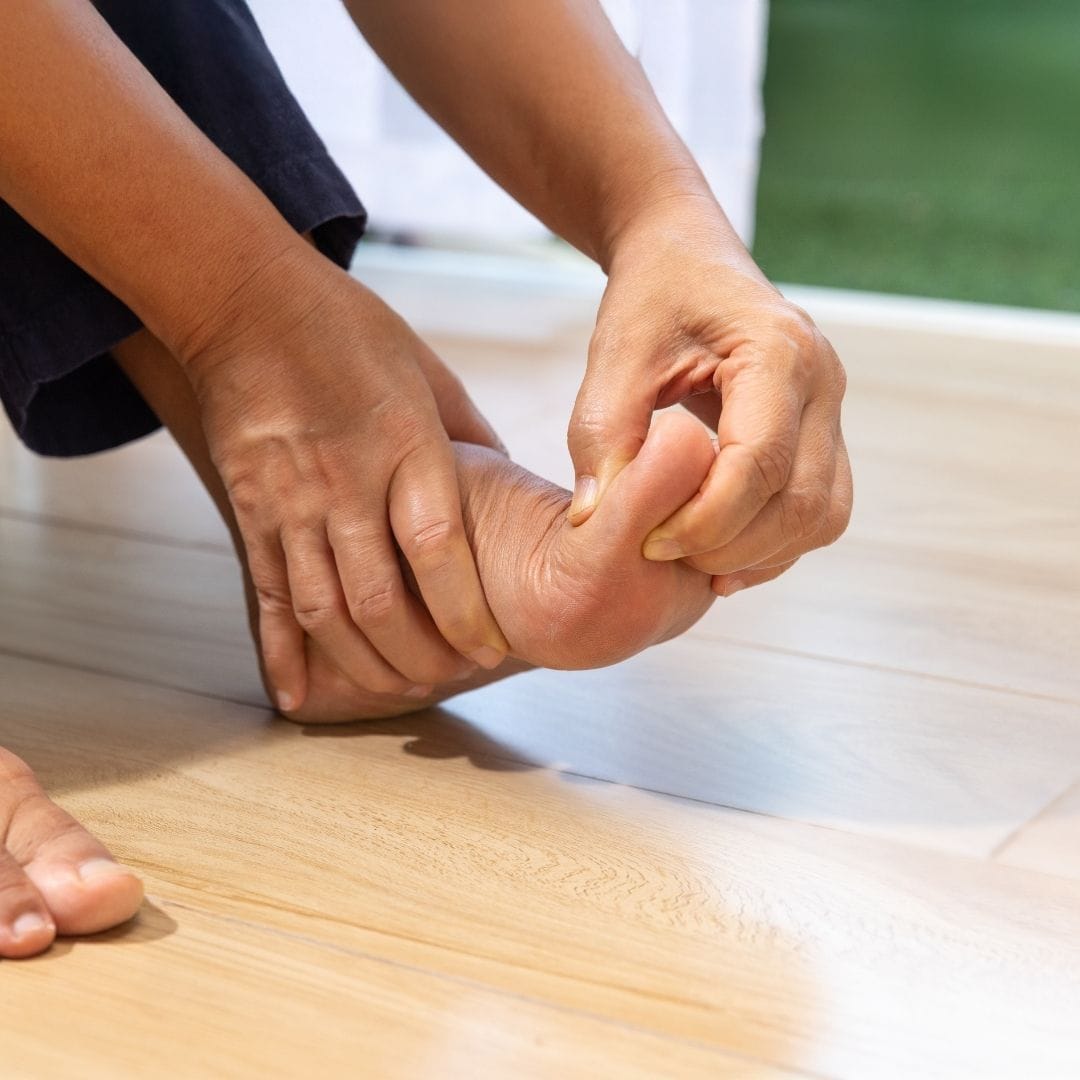
The patient wakes at 2 AM with severe pain in the big toe. It is red, swollen, and so tender that even the weight of a bedsheet is unbearable. By morning, the joint is hot and throbbing. Nothing in their recent history explains it — no injury, no unusual activity. This is the classic presentation of an acute gout attack, and it is one of the most recognisable pain syndromes in medicine.
Gout is also one of the most treatable forms of arthritis — and one of the most undertreated. Many patients manage attack after attack with painkillers without ever addressing the underlying uric acid problem that is causing the attacks. Over years, this leads to chronic joint damage, tophus formation, and orthopaedic problems that proper early management would have prevented entirely.
What Is Gout?
Gout is a form of inflammatory arthritis caused by the deposition of monosodium urate crystals in joints and surrounding tissues. Uric acid is the normal end product of purine metabolism — it dissolves in blood and is excreted by the kidneys. When uric acid levels rise above the saturation point, crystals form. These crystals deposit in cooler, lower blood flow areas — particularly the joints of the feet and ankles — where they trigger an intense inflammatory response.
An acute gout attack occurs when crystals already deposited in a joint are shed into the joint space, activating the immune system. The resulting inflammation is rapid and severe — producing pain that many patients describe as the worst they have ever experienced, including those who have had fractures, kidney stones, or childbirth.
The Four Stages of Gout
Asymptomatic Hyperuricaemia
Elevated uric acid with no symptoms. Crystals may be forming but no attack yet. Dietary and lifestyle modification opportunity.
Acute Gout Attack
Sudden severe joint pain, redness, swelling. Usually resolves in 7-10 days. Attacks become more frequent over time.
Intercritical Gout
Period between attacks. Asymptomatic but crystals remain. Uric acid-lowering therapy in this phase prevents future attacks.
Chronic Tophaceous Gout
Tophi (crystal deposits) visible under skin. Chronic joint pain. Permanent joint damage. Requires active management.
What Raises Uric Acid?
High-Purine Diet
Red meat, organ meats (liver, kidney), shellfish, and sardines are high in purines that metabolise to uric acid.
Alcohol
Beer and spirits raise uric acid production and impair renal excretion simultaneously — a particularly gout-promoting combination.
Fructose
Sugary drinks, packaged juices, and sweets with high fructose content increase uric acid production — an increasingly important factor in India's dietary pattern.
Kidney Disease
Reduced kidney function impairs uric acid excretion — a bidirectional relationship, as gout itself can damage kidney tubules over time.
Obesity
Increases uric acid production and reduces kidney excretion. Weight loss significantly reduces uric acid levels and gout attack frequency.
Certain Medications
Diuretics (commonly used for blood pressure) and low-dose aspirin raise uric acid levels. Patients on these medications with gout need careful management.
Diabetes and Metabolic Syndrome
Insulin resistance directly impairs renal uric acid excretion. Gout and Type 2 diabetes frequently coexist in Hyderabad's urban population.
Dehydration
Concentrated urine reduces uric acid excretion and raises crystal formation risk. Adequate water intake is a genuine preventive measure.
Symptoms of a Gout Attack
Sudden Severe Joint Pain
Classically at night or early morning — pain that builds rapidly to extreme intensity within hours
Redness and Warmth
The joint becomes red, visibly swollen, and hot to the touch — distinguishing gout from many other arthritis types
Extreme Tenderness
Even light touch — a bedsheet, a gentle press — is unbearable during a severe attack
Big Toe Involvement
Podagra — gout of the big toe joint — is present in over 50% of first attacks and is almost diagnostic of gout
Self-Resolving
Attacks typically resolve over 7-10 days without treatment, leading patients to underestimate the condition — until attacks become more frequent and severe
Tophi
In chronic gout — visible white or cream-coloured lumps under the skin, particularly around joints and ear cartilage — crystal deposits
Diet and Gout — What to Eat and Avoid
Foods That Raise Uric Acid
- Red meat — beef, mutton, pork
- Organ meats — liver, kidney, brain
- Shellfish — prawns, crab, lobster
- Beer and spirits — all alcohol worsens gout
- Sugary drinks, packaged fruit juices
- High-fructose sweets and processed foods
- Oily fish in large quantities (sardines, mackerel)
Foods That Support Uric Acid Control
- Plenty of water — minimum 2-3 litres daily
- Low-fat dairy — milk, curd, paneer
- Vegetables — most are safe; tomatoes in moderation
- Dal and legumes — moderate intake generally safe
- Whole grains — rice, wheat, ragi in normal quantities
- Coffee — moderate intake associated with lower uric acid
- Cherries and cherry extract — evidence of reducing attacks
Treatment — Acute Attack and Long-Term Management
Acute attack management
- NSAIDs — anti-inflammatory medication (not aspirin, which can worsen uric acid) taken at the onset of an attack significantly reduces duration and severity
- Colchicine — highly effective for acute gout, particularly within the first 12-24 hours of attack onset; most effective when started early
- Corticosteroids — oral or injected into the joint; used when NSAIDs and colchicine are not suitable (e.g. kidney disease)
- Rest and joint cooling — elevating and cooling the affected joint reduces discomfort during acute attacks
Long-term uric acid management — the missing step most patients skip
- Urate-lowering therapy — allopurinol or febuxostat reduce uric acid production and prevent crystal formation; target uric acid below 6 mg/dL (5 mg/dL for tophaceous gout)
- Dietary modification — reducing high-purine foods, alcohol, fructose, and maintaining adequate hydration
- Weight management — significant uric acid reduction from even modest weight loss
- Medication review — with your doctor, assessing whether diuretics or other uric-acid-raising medications can be adjusted
- Regular monitoring — serum uric acid checked every 3-6 months until target is reached and stable
When Gout Causes Orthopaedic Problems
Chronic untreated gout causes permanent joint damage that goes beyond the pain of individual attacks. Tophi — deposits of urate crystals — form in and around joints, tendons, bursae, and soft tissue. They destroy cartilage and erode bone. In severe cases, tophi around the Achilles tendon, wrist, elbow, or fingers create mechanical problems requiring orthopaedic assessment and sometimes surgical debridement.
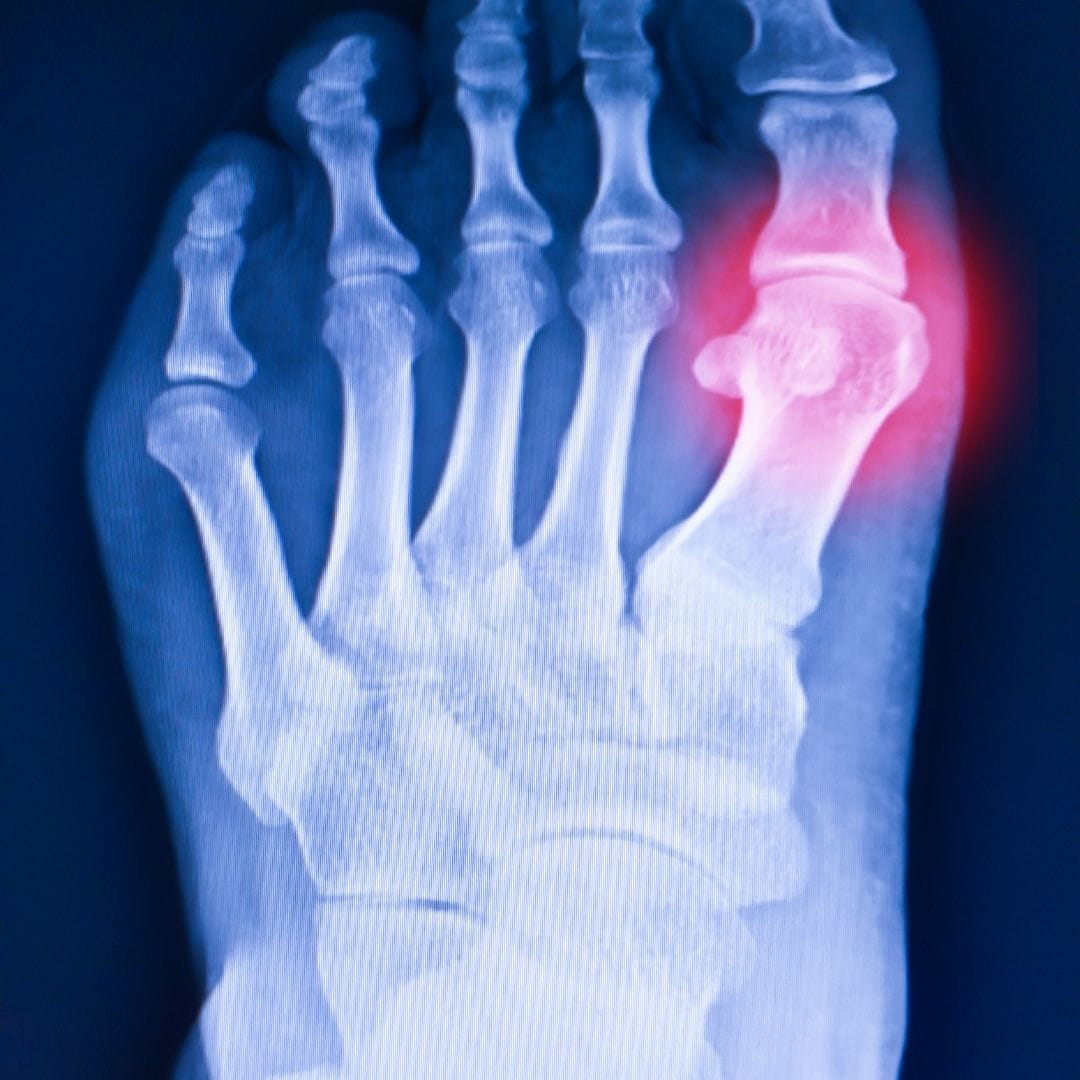
Joint destruction from chronic gout mimics osteoarthritis on X-ray but has specific characteristic features — punched-out erosions with overhanging edges, soft tissue tophi visible on imaging. At Pure Ortho Hospitals, Sainikpuri, patients with chronic gout-related joint damage are assessed and managed by the orthopaedic team in coordination with medical management of uric acid levels.
Gout and Diabetes — Managing Both Together
Gout and diabetes share a large overlap in Hyderabad's population — both conditions are associated with obesity, metabolic syndrome, and urban dietary patterns. Insulin resistance from diabetes directly impairs renal uric acid excretion, and elevated uric acid itself may worsen insulin resistance in a bidirectional relationship.
At Pure Ortho Hospitals, Sainikpuri, the orthopaedic team and Dr. Kranthi Kumar Reddy (Diabetologist) work together for patients managing both conditions — a coordination that is important because some medications affect uric acid levels, and dietary advice for diabetes and gout sometimes requires careful integration.
Meet the Specialists at Pure Ortho Hospitals
Dr. G. Uday Sekhar Reddy
MBBS, MS Ortho, MCh Ortho
Dr. V.S. Abhilash Kumar S
MBBS, MS Ortho, FIJR, FISS (S.Korea, USA) — Clinical Director
Dr. Pudari Manoj Kumar
MBBS, MS Ortho, FIJR, FIRJR
Dr. Kranthi Kumar Reddy
MBBS, MD, C.Diab
Dr. L. Sreeram
MPT (Ortho), FDOR, MIAP
Frequently Asked Questions
Other Departments at Pure Ortho Hospitals
Recurrent Joint Pain and High Uric Acid Needs Proper Management
Gout is completely treatable — but only if the uric acid problem is addressed, not just the attacks. Visit Pure Ortho Hospitals, Sainikpuri, Hyderabad for an integrated assessment of your joints and metabolic health.
Call 8686868208More from Pure Ortho Hospitals
This article is for patient education only. Please consult a qualified doctor before making any medication or treatment decisions.