Slip Disc and Sciatica Doctor in Hyderabad — Dr. Sai Krishna C.S at Pure Ortho Hospitals Sainikpuri
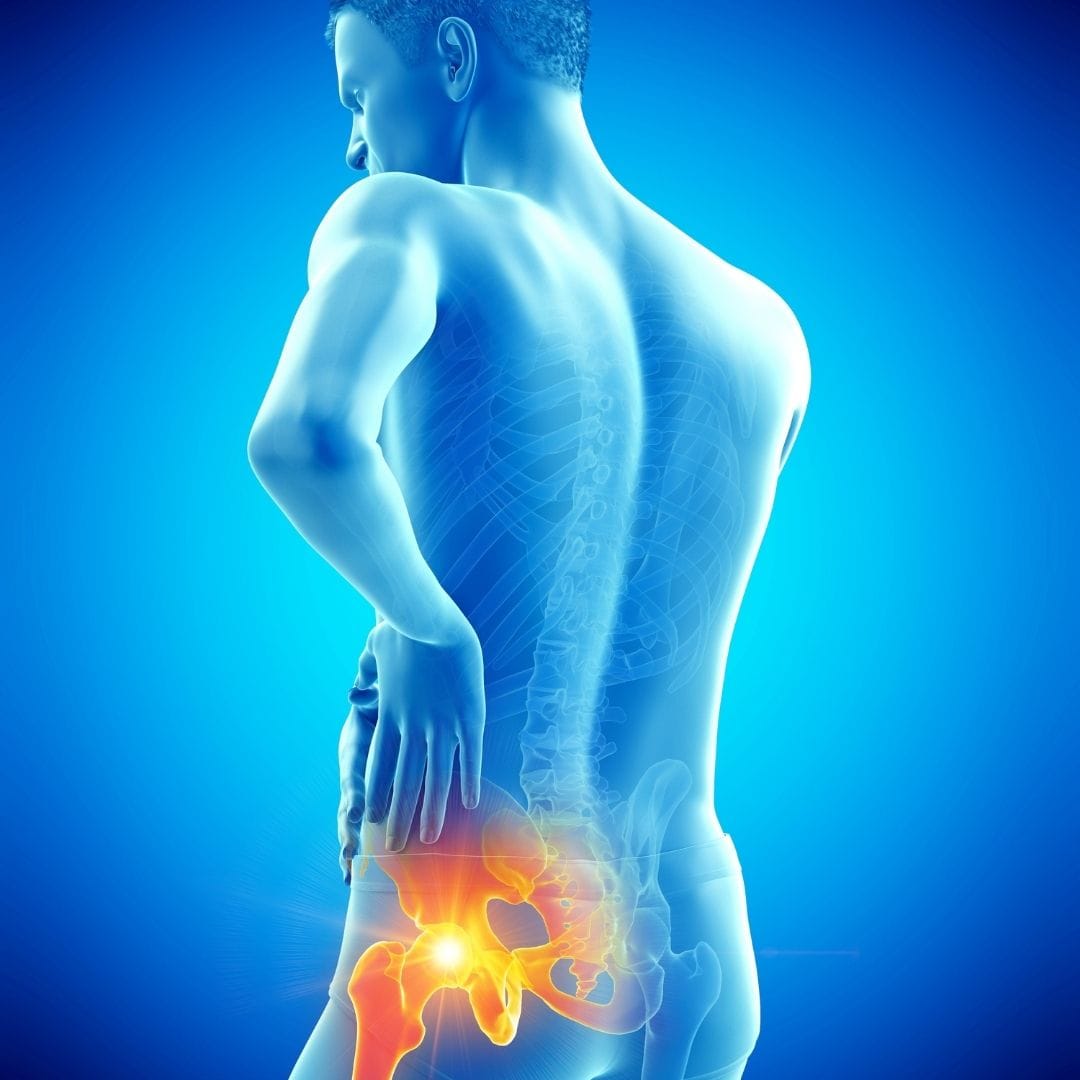
The pain starts in the lower back and radiates down the leg — sometimes all the way to the foot. It worsens when sitting, coughing, or bending forward. At its worst, it feels like an electric shock or burning sensation running through the buttock and thigh. This is sciatica — and the most common cause in people under 60 is a slip disc (disc prolapse) at L4-L5 or L5-S1 compressing the nerve root.
In Hyderabad's population — where desk work, long commutes, and sedentary lifestyle are increasingly common — slip disc and sciatica are among the most frequent reasons patients visit a spine specialist. The good news is that the majority of disc prolapses resolve without surgery with proper conservative management. Finding the right spine doctor in Hyderabad is about getting an accurate diagnosis and a structured treatment plan — not a quick recommendation for an operation.
What Is a Slip Disc?
The discs between the vertebrae act as shock absorbers — a tough outer ring (annulus fibrosus) surrounding a soft gel-like centre (nucleus pulposus). A disc prolapse occurs when the outer ring develops a tear and the inner material herniates outward, pressing on the spinal nerve roots that run close to the disc. At L4-L5 and L5-S1 — the lowest two disc levels — this compression produces the characteristic leg pain of sciatica.
The degree of prolapse, which nerve root is compressed, and how much inflammation surrounds the compressed nerve all determine the severity of symptoms. Most prolapses reduce in size over 6-12 weeks as the disc material is reabsorbed by the body — which is why the majority of cases improve with conservative management.
The Treatment Path — Conservative First, Surgery Only When Needed
Accurate Diagnosis
MRI confirms which disc, which level, and how much nerve compression. Clinical examination maps which nerve root is affected.
Pain Management
Anti-inflammatory medication, neuropathic pain agents, and short-term muscle relaxants to manage pain during the healing phase.
Physiotherapy
McKenzie method, neural mobilisation exercises, and core strengthening. Reduces nerve root compression and prevents recurrence.
Epidural Injection
If pain is severe and not responding to medication and physiotherapy — corticosteroid injection into the epidural space around the nerve root. Significantly reduces inflammation and pain.
Reassess at 6-8 Weeks
MRI and clinical reassessment. If symptoms have improved adequately — continue conservative management. If not — surgical discussion.
Endoscopic Discectomy
If conservative treatment has failed after 6-8 weeks, or neurological deficit is progressing — minimally invasive endoscopic removal of the herniated disc material.
Meet Dr. Sai Krishna C.S — Spine Surgeon, Pure Ortho Hospitals Sainikpuri

Dr. Sai Krishna C.S
DNB Orthopaedics — Diplomate of National Board
Fellowship in Spine Surgery
Slip disc, sciatica, L4-L5, L5-S1, spinal stenosis, cervical spondylosis, endoscopic spine surgery
The Gold Medal in MS Orthopaedics represents the highest academic achievement in post-graduate orthopaedic training. The DNB adds a national board examination on top of the university degree. The Fellowship in Spine Surgery is dedicated subspecialty training beyond general orthopaedics — specifically in the evaluation and surgical management of spinal conditions. Together these qualifications make Dr. Sai Krishna C.S the most specifically trained spine specialist in the Sainikpuri area.
At Pure Ortho Hospitals, Sainikpuri, the spine consultation process begins with a thorough clinical examination — not just a review of the MRI report. Many patients come having been told they need surgery based on an MRI finding. In a significant proportion of these cases, the clinical picture does not support surgery, and the correct management is conservative. This distinction — between what the scan shows and what the patient clinically needs — is what a dedicated spine specialist provides that a general practitioner cannot.
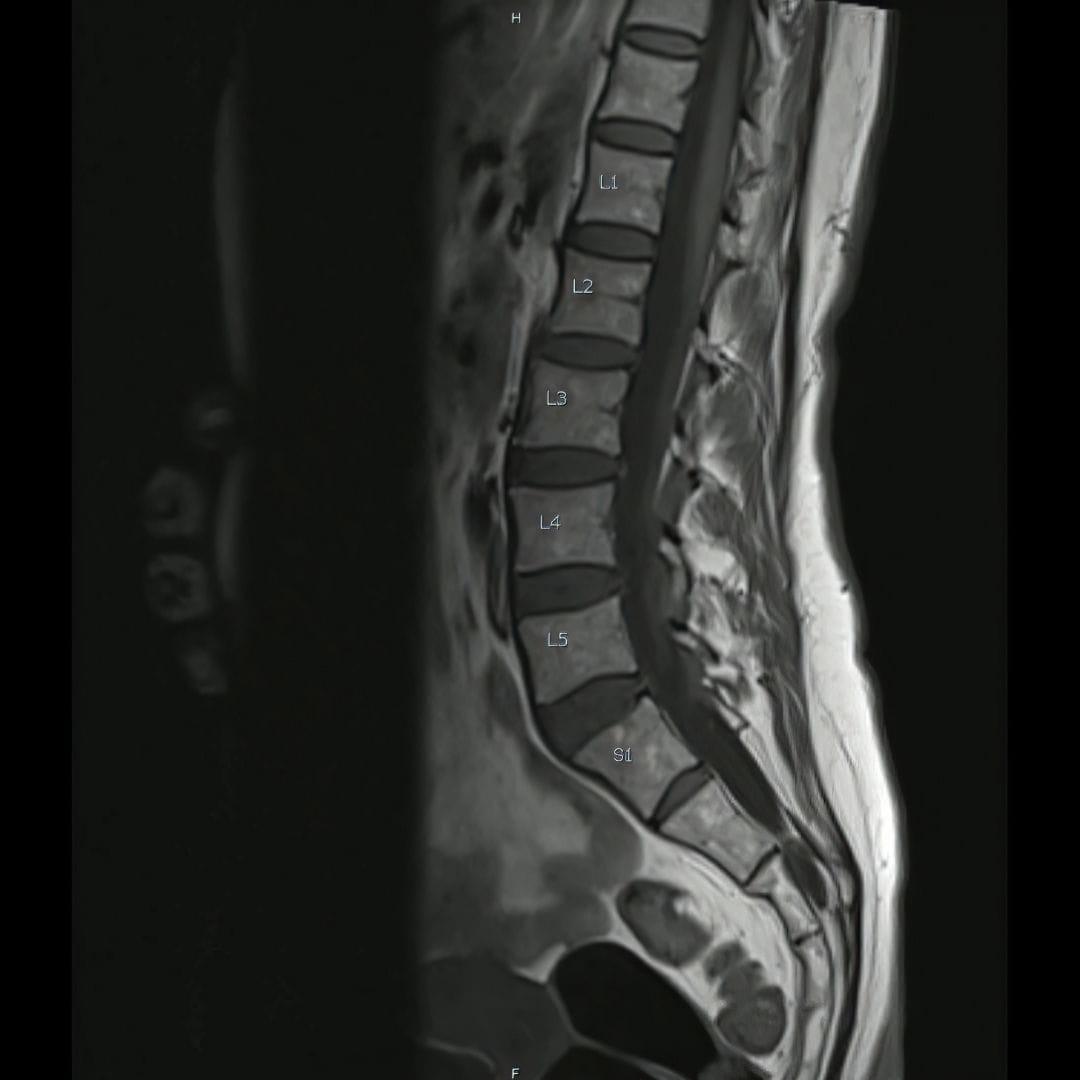
Spine conditions treated by Dr. Sai Krishna C.S at Pure Ortho Hospitals, Sainikpuri
- Slip disc (disc prolapse) — L1-L2 through L5-S1. Conservative management or endoscopic discectomy.
- Sciatica — leg pain from lumbar nerve root compression. Full conservative protocol before surgical consideration.
- L4-L5 disc bulge — the most common symptomatic disc level. Graded management from conservative to surgical.
- L5-S1 disc problems — the second most common level. Often causes foot drop if nerve compression is severe — urgent assessment needed.
- Spinal stenosis — canal narrowing causing leg pain with walking. Conservative management and endoscopic decompression.
- Cervical spondylosis — neck and arm pain from cervical disc degeneration. Managed conservatively in most cases.
- Spondylolisthesis — vertebral slippage causing back and leg pain. Conservative for mild grades, fusion when unstable.
- Endoscopic spine surgery — minimally invasive discectomy and decompression for appropriate surgical candidates.
Seek Urgent Spine Assessment If You Have
- New bladder or bowel dysfunction alongside back and leg symptoms — cauda equina syndrome, needs same-day evaluation
- Progressive leg weakness — foot drop, difficulty climbing stairs
- Numbness in the saddle area — inner thighs and groin
- Leg pain worse than back pain with no improvement after 2 weeks of rest
Call Pure Ortho Hospitals, Sainikpuri: 8686868208
Frequently Asked Questions
Other Departments at Pure Ortho Hospitals
Slip Disc or Sciatica — See a Spine Specialist in Sainikpuri
Dr. Sai Krishna C.S — MS Ortho Gold Medalist, Fellowship Spine Surgery — sees patients for slip disc, sciatica, and all spine conditions at Pure Ortho Hospitals, Sainikpuri, Hyderabad. Most cases are managed without surgery.
Call 8686868208More from Pure Ortho Hospitals
This article is for patient education only. Please consult Dr. Sai Krishna C.S directly at Pure Ortho Hospitals, Sainikpuri for medical advice.