A 58-year-old woman slips in the bathroom. She falls from standing height — not from any significant height, not at any significant speed. She fractures her hip. The fall did not cause the fracture. The fall just revealed it. The real cause — bones that had been losing density quietly for a decade — had been there the entire time, completely silent.
This is how osteoporosis works. It takes nothing away that you can feel. No pain. No stiffness. No warning. Just bones that are progressively less able to withstand normal forces — until one day they cannot. India has approximately 50 million people with osteoporosis or low bone mass. The majority have no idea. The reason is not ignorance — it is that the disease gives nothing away until a fracture happens.
The Scale of the Problem in India
Indians with osteoporosis or low bone mass
Urban Indians with vitamin D deficiency
Indian women will have an osteoporotic fracture in their lifetime
Indian men affected by osteoporosis
Hip fracture patients in India die within one year
These numbers are not abstractions. The 80% urban vitamin D deficiency figure is particularly striking given that India has abundant sunlight. The explanation is lifestyle — indoor work, clothing covering most skin, limited time outdoors during peak sun hours — combined with diets that are often low in both calcium and the vitamin D needed to absorb it. The result is a population with structurally weaker bones than the sunlight available to them would suggest.
What Actually Happens to Bone in Osteoporosis
Bone is not static material. It is living tissue that is constantly being broken down (by osteoclast cells) and rebuilt (by osteoblast cells). In healthy bone, these two processes are balanced. Peak bone mass is reached around age 30. After that, bone remodelling continues but the balance shifts slightly toward breakdown — bone density starts to decline slowly in everyone.
In osteoporosis, the balance tips significantly toward breakdown. The internal structure of bone — which under a microscope looks like a dense lattice — starts losing its connecting struts. The outer shell thins. What was once a dense, strong lattice becomes a sparse one. The bone looks normal on a plain X-ray until 30-40% of bone mass has already been lost. By then, fractures are happening with minimal trauma.
In women, the drop in oestrogen at menopause removes a key brake on osteoclast activity. Bone loss in the first 5-7 years after menopause can be dramatic — some women lose 2-3% of their bone density every year during this period if untreated. By the time a woman is 65, the cumulative loss can make fracture from a minor fall almost inevitable.
The T-Score — What Your DEXA Scan Result Means
Normal
Bone density within normal range for a healthy young adult. Maintain with diet and exercise.
Osteopenia
Lower than normal bone density — the warning zone. Act now with calcium, vitamin D, and exercise to prevent progression.
Osteoporosis
Significantly reduced bone density. High fracture risk. Medical treatment needed alongside lifestyle measures.
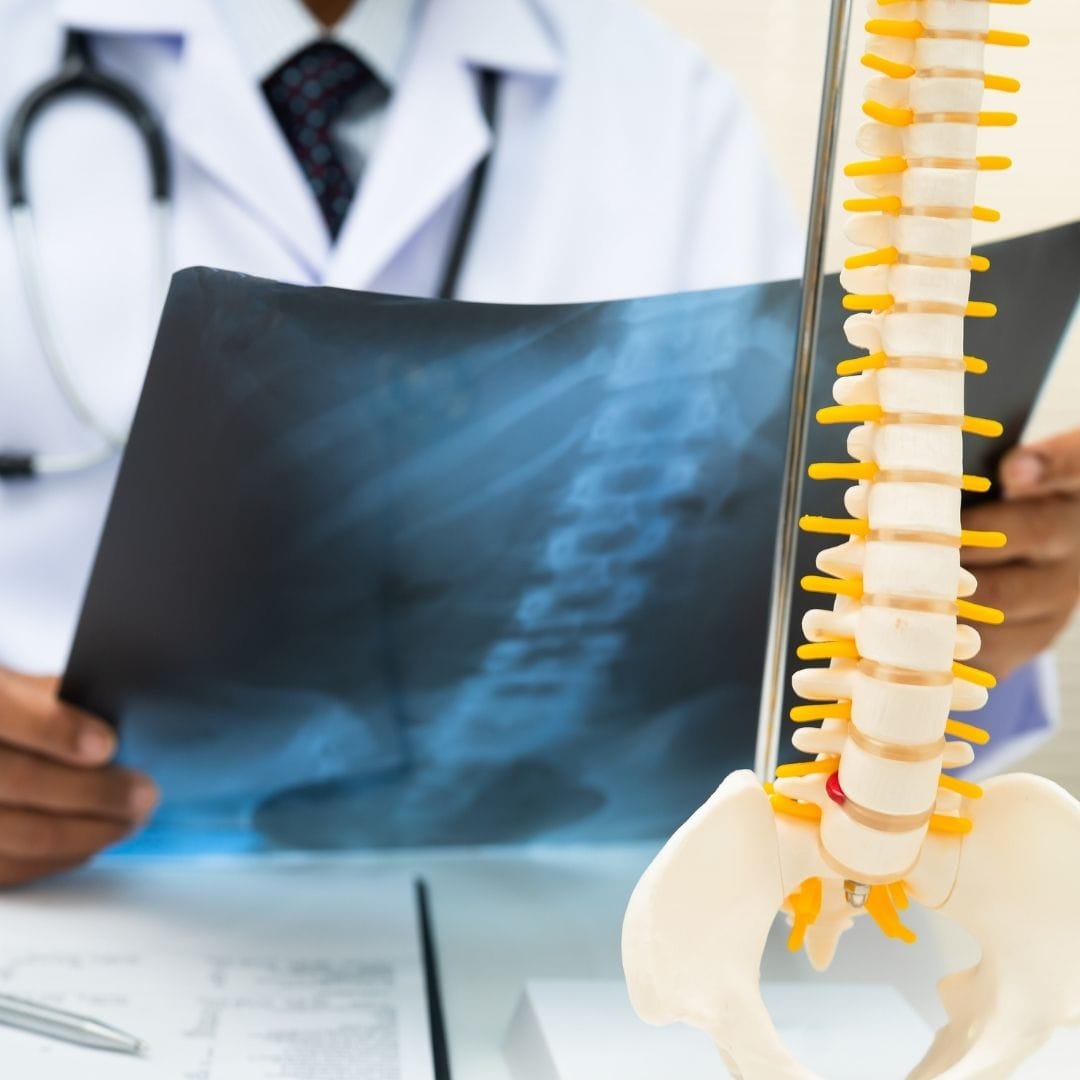
A DEXA (dual-energy X-ray absorptiometry) scan is the only reliable way to diagnose osteoporosis before a fracture occurs. It takes 15-20 minutes, is painless, and involves less radiation than a chest X-ray. The scan measures bone density at the hip and lumbar spine — the two sites where osteoporotic fractures are most serious — and produces a T-score comparing your bone density to that of a healthy 30-year-old adult.
Who Is at Risk — India-Specific Factors
Post-Menopausal Women
Oestrogen drop at menopause removes a key brake on bone loss. Indian women on average reach menopause at 46-47 — earlier than Western women — giving more years of post-menopausal bone loss. Multiple pregnancies and prolonged breastfeeding further deplete bone calcium stores.
Vitamin D Deficiency
80% of urban Indians are vitamin D deficient despite abundant sunlight. Indoor lifestyles, clothing covering most skin, and limited fortified foods combine to create widespread deficiency. Without adequate vitamin D, calcium from food cannot be absorbed — no matter how much calcium is eaten.
Low Calcium Intake
Many Indian diets fall short of the 1000-1200 mg daily calcium needed for bone health. Vegetarian diets without adequate dairy, ragi, or sesame seeds, and low consumption of fortified foods throughout adolescence, mean many Indians never reached adequate peak bone mass.
Long-Term Steroid Use
Corticosteroids — taken for asthma, arthritis, inflammatory bowel disease, and widely used during COVID-19 — directly suppress bone formation and are one of the leading causes of osteoporosis in people under 50. Any patient on long-term steroids needs bone density monitoring.
Thyroid and Parathyroid Disorders
Overactive thyroid (hyperthyroidism) and overactive parathyroid glands accelerate bone turnover and cause progressive bone loss. Both are underdiagnosed in India and worth checking in patients with unexplained osteoporosis.
Sedentary Lifestyle
Weight-bearing exercise — walking, climbing stairs, resistance training — is the stimulus that tells the body to maintain bone density. Without it, bone loss accelerates regardless of diet. A desk job plus a sedentary evening is a significant risk factor compounded over decades.
Fragility Fractures — The Consequence
A fragility fracture is one that occurs from a force that would not normally break a healthy bone — a fall from standing height, a minor trip, bending to lift a light object. These fractures are the direct consequence of osteoporosis, and they are how the silent disease announces itself.
Hip Fracture
The most serious. 25% of elderly hip fracture patients die within a year. Most require surgery — hip replacement or fixation. Recovery is long and many patients never regain full independence.
Vertebral Compression Fracture
Vertebrae collapse under normal load — bending, lifting, coughing. Causes sudden back pain, progressive height loss, and a stooped posture (kyphosis). Often multiple vertebrae involved. Many go undiagnosed.
Wrist Fracture (Colles')
Often the first fracture — from putting a hand out to catch a fall. Frequently dismissed as a simple sports injury in younger patients. A Colles' fracture before age 50 is a red flag for undiagnosed osteoporosis.
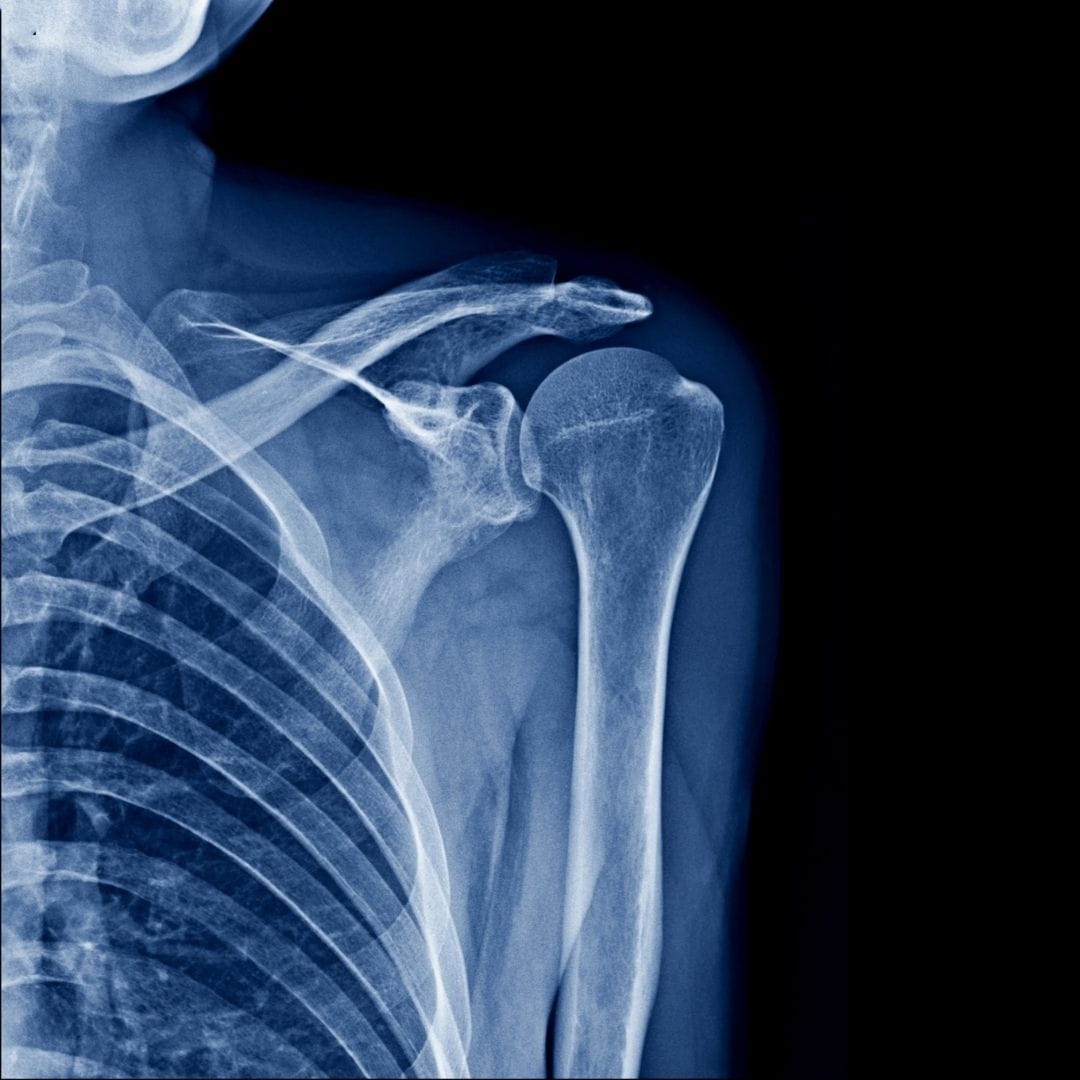
Shoulder Fracture
Proximal humerus fractures from low-energy falls. Common in older women. Often managed without surgery but causes significant shoulder function limitation.
The most important point about fragility fractures: the first one dramatically increases the risk of a second. A patient who has had one vertebral fracture has a 20% chance of another within the next year. This is why a fracture must trigger bone density assessment and treatment — not just management of the fracture itself.
Calcium-Rich Indian Foods — What to Eat
India has calcium-rich foods in abundance. The problem is not availability — it is awareness and habit. The following are the best dietary calcium sources in the Indian diet, with approximate calcium content per standard serving:
Adult requirement is 1000 mg/day, rising to 1200 mg/day after age 50. Most Indians consume 400-600 mg/day. The gap has to be made up from food first — supplements second. Spinach and other leafy greens contain oxalates that reduce calcium absorption, so they should not be the sole calcium source.
Treatment — What Actually Works
Vitamin D Supplementation
With 80% of urban Indians deficient, supplementation is almost always necessary. 1000-2000 IU daily or higher loading doses under medical supervision. Serum 25-OH vitamin D levels should be checked and supplementation adjusted to achieve levels above 30 ng/mL. Without adequate vitamin D, calcium supplements do not work.
Calcium Supplementation
When dietary calcium cannot reach 1000-1200 mg/day, supplements fill the gap. Calcium carbonate (take with meals) and calcium citrate (can be taken any time) are the main options. Total calcium (food + supplements) should not exceed 1200-1500 mg/day — excess calcium from supplements without vitamin D has limited benefit.
Weight-Bearing Exercise
Walking, climbing stairs, dancing, and resistance training all stimulate bone formation. 30 minutes of weight-bearing activity 5 days a week is the minimum effective dose. Swimming and cycling, while excellent for cardiovascular health, do not provide the bone-loading stimulus needed — they should supplement, not replace, weight-bearing activity.
Bisphosphonates (First-Line Medication)
Alendronate (weekly oral tablet), zoledronic acid (annual IV infusion), and risedronate reduce fracture risk by 40-70% in established osteoporosis. They work by slowing osteoclast activity — reducing the rate of bone breakdown. First-line medical treatment for T-score below -2.5 or after a fragility fracture.
Denosumab
A biologic injection given every 6 months that strongly suppresses osteoclast activity. Used when bisphosphonates are not tolerated or in patients with kidney disease where bisphosphonates are contraindicated. Requires uninterrupted treatment — stopping abruptly causes rebound bone loss.
Fall Prevention
In older patients, preventing the fall prevents the fracture. Home safety assessment, balance training, vision correction, reviewing medications that cause dizziness, and hip protector pads for high-risk elderly patients are all evidence-based fall prevention measures that reduce fracture incidence independently of bone density treatment.
Get a Bone Density Assessment If You Are
- A woman over 50 — regardless of whether you have symptoms
- Post-menopausal at any age
- On long-term steroids (including post-COVID treatment)
- A man over 70, or a man with significant risk factors (smoking, alcohol, steroid use)
- Anyone who has had a fracture from a low-energy fall
- Anyone with hyperthyroidism, hyperparathyroidism, or rheumatoid arthritis
- Anyone who has lost more than 2-3 cm of height
Call Pure Ortho Hospitals, Sainikpuri: 8686868208
Specialists at Pure Ortho Hospitals, Sainikpuri
Dr. G. Uday Sekhar Reddy
Dr. RNV Vamshi Krishna
Dr. Kranthi Kumar Reddy
Dr. L. Sreeram
Frequently Asked Questions
Other Departments at Pure Ortho Hospitals
Bone Density Assessment at Pure Ortho Hospitals, Sainikpuri
A DEXA scan takes 15 minutes. Most patients with osteoporosis find out only after a fracture. Find out before. Book a bone density assessment at Pure Ortho Hospitals, Sainikpuri, Hyderabad.
Call 8686868208More from Pure Ortho Hospitals
This article is for patient education only. Please consult a qualified specialist before making any treatment decisions. Statistics sourced from published Indian epidemiological data.