

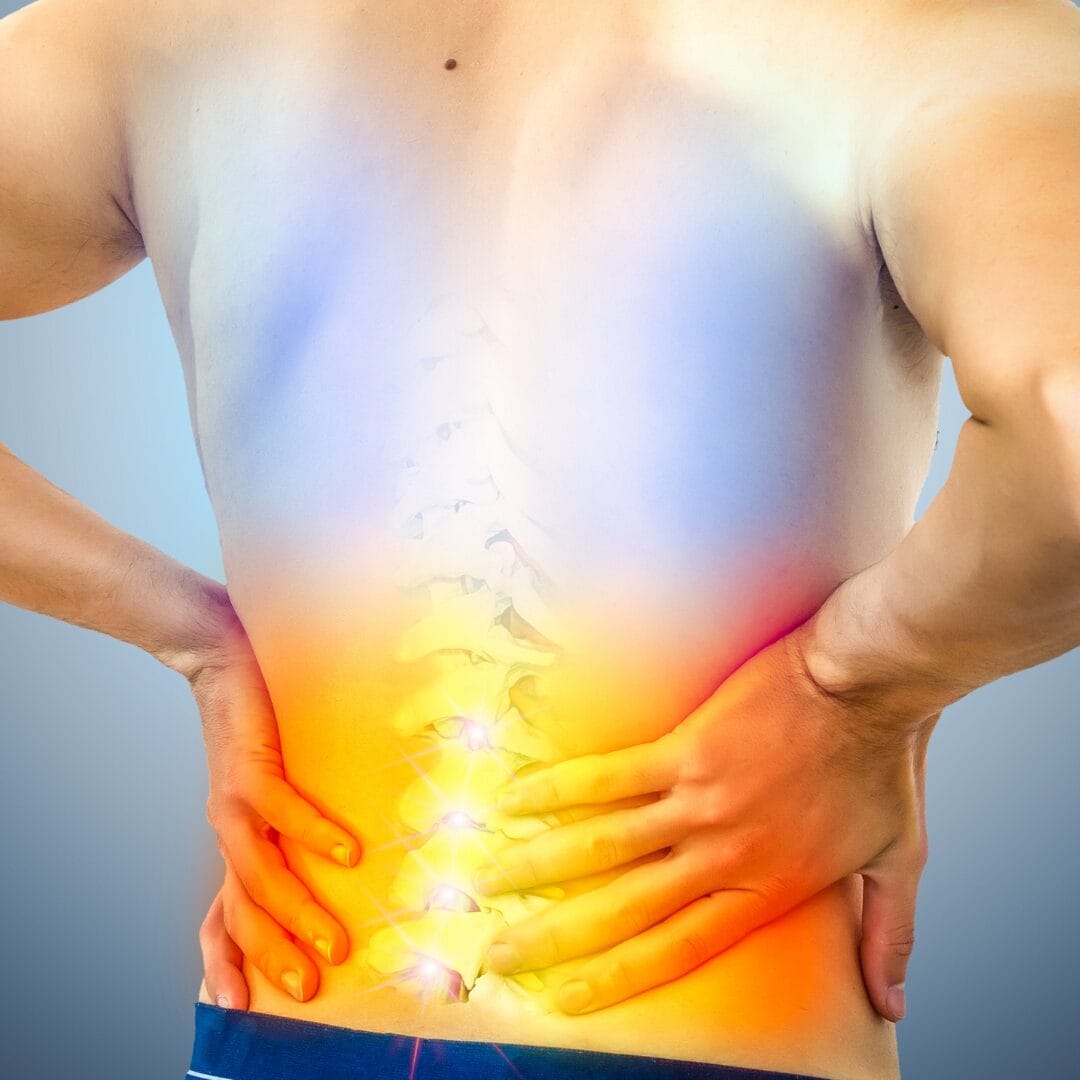
She bent down to pick up a bag. Something cracked in her back. By evening the pain was severe. The X-ray revealed a vertebral compression fracture — not from an accident, not from a fall, but from the simple act of bending forward. Her bones had been silently thinning for years without a single symptom to warn her.
This is how osteoporotic fractures happen. Not with a dramatic accident, but with a mundane movement that a healthy skeleton would handle without a second thought. And it is far more common in India than most people realise.
If you or someone in your family has already had a fracture that seemed out of proportion to the force involved — or if you have the risk factors discussed in our previous article on low bone density in India — this guide explains what fragility fractures are, where they happen, and what needs to happen after one occurs.
What Is a Fragility Fracture?
A fragility fracture is defined as a bone break resulting from a force too low to fracture a normal, healthy bone. The standard definition is a fracture caused by a fall from standing height or less — or, in more advanced cases, from everyday activities that involve no fall at all.
A healthy bone can absorb the impact of a fall from standing height without breaking. When a bone breaks from this level of force, it tells you the bone is not healthy — it has lost enough density to make it structurally vulnerable to loads it should comfortably withstand. The fracture, in other words, is not the real problem. It is the visible consequence of the real problem: osteoporosis that was not detected or managed before the damage was done.
Everyday Scenarios That Cause Fragility Fractures
What makes fragility fractures particularly difficult for families to process is that they seem disproportionate to the incident. The cause appears trivial. The result is severe. Understanding why helps remove the confusion and points directly to the underlying bone health problem.
A step missed on the staircase
A healthy person stumbles on the stairs and catches themselves. A person with osteoporosis sustains a hip or wrist fracture from the same stumble — because the bones cannot absorb the force that a healthy skeleton would easily manage.
Bending to lift something light
A vertebral compression fracture can occur from bending to lift a moderately heavy bag, a bucket of water, or even during vigorous coughing or sneezing. The compressive force on a weakened vertebra exceeds its structural limit.
Rolling over in bed
In severe osteoporosis, the torsional force of rolling from one side to the other during sleep can fracture a vertebra. Patients wake with back pain they attribute to sleeping awkwardly. The actual cause is a vertebral fracture.
A fall while walking on flat ground
Walking on flat ground and losing balance — no stairs, no uneven surface — is enough to cause a hip fracture in an elderly person with advanced osteoporosis. The consequences of this one fall can be life-altering.
A hug or firm grip
In extreme cases, a firm embrace or a strong grip on the arm can fracture a rib or cause a compression fracture in the thoracic spine. This level of fragility is seen in patients with very advanced, untreated osteoporosis.
Which Bones Are at Highest Risk
Osteoporosis does not affect all bones equally. Certain sites are disproportionately affected because of their anatomical vulnerability, the density of trabecular (spongy) bone they contain, and the mechanical forces they experience.
Hip (Proximal Femur)
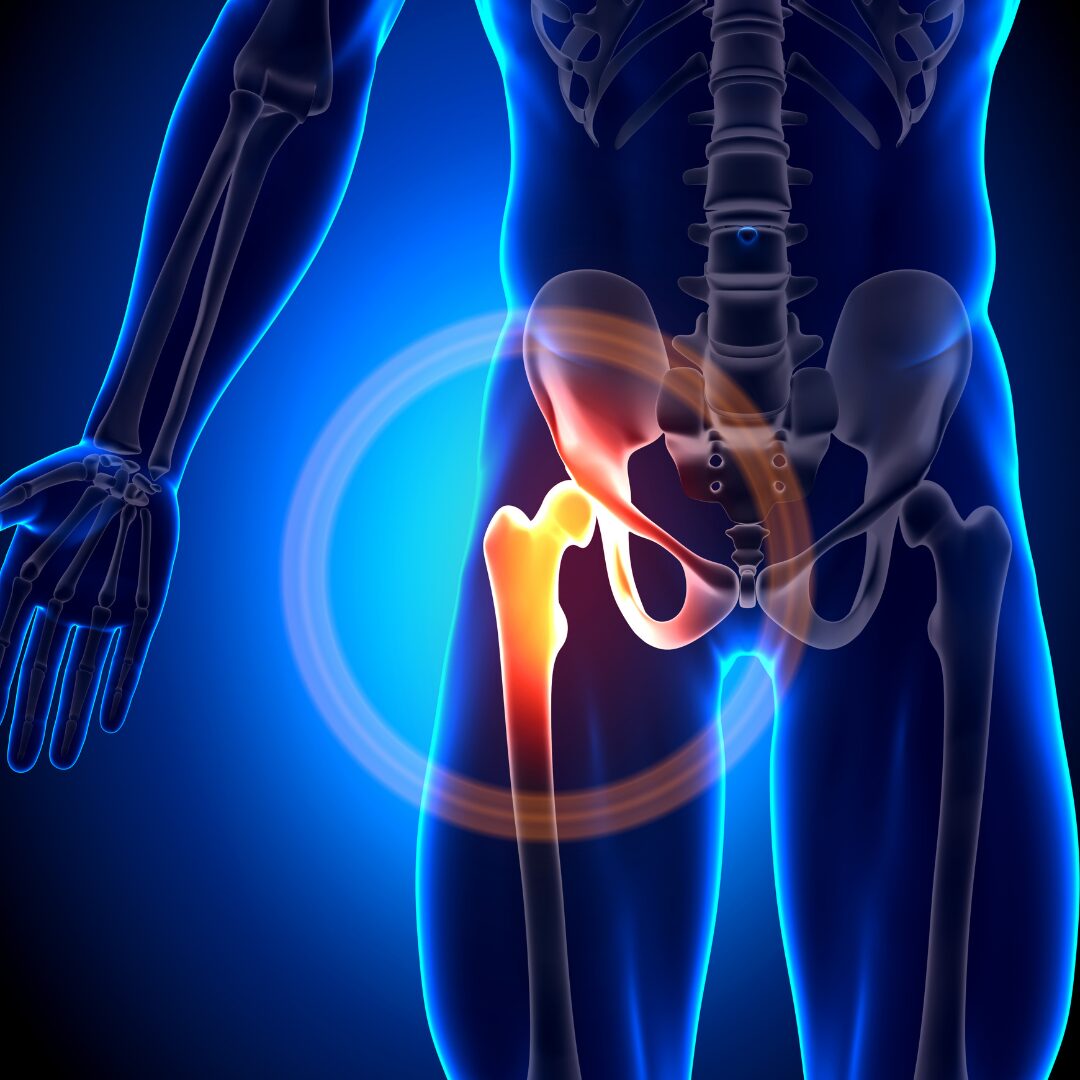
Hip fractures are the most serious consequence of osteoporosis. They require surgery in almost all cases and carry significant mortality risk in elderly patients — particularly in the 12 months following the fracture.
Vertebrae (Spinal)
Vertebral compression fractures are the most common osteoporotic fractures overall. Many are not diagnosed because the pain is attributed to muscle strain. Accumulated vertebral fractures cause height loss and kyphosis (forward spinal curvature).
Wrist (Distal Radius)
Wrist fractures from a fall on an outstretched hand are often the first fragility fracture to occur and to be recognised. They should always trigger a bone density assessment.
Shoulder (Proximal Humerus)
Fractures at the top of the arm bone from minor falls are increasingly recognised as fragility fractures. They affect arm function significantly and often require surgical management.
Ribs
Rib fractures from minimal force — a cough, a bump against furniture — are a sign of significant bone loss. Multiple rib fractures can compromise breathing.
Pelvis
Pelvic fragility fractures are underdiagnosed because they may not be visible on initial X-ray. They cause severe groin or hip pain and can occur without a fall in advanced cases.
The Hip Fracture Problem in India — Why It Matters
Hip fractures from osteoporosis represent one of the most serious orthopaedic events in older adults. In India, where bone density tends to be lower across the population than in Western countries, the risk is compounded further by delayed diagnosis and limited access to bone density testing in many areas.
Studies consistently show that a significant proportion of patients who sustain a hip fracture die within 12 months — not directly from the fracture itself, but from the cascade of complications that follow in elderly patients with multiple health conditions: immobility, pneumonia, blood clots, and the physiological stress of major surgery in an already compromised patient.
Among those who survive, many never return to their pre-fracture level of independence. Hip fractures in the elderly are a leading cause of nursing home admission and permanent loss of functional independence.
All of this is preventable. Not easily, and not without effort — but the tools to identify bone loss before it reaches fracture risk exist, are available, and are straightforward to use.
The Vertebral Fracture Problem — Silent and Underdiagnosed
Vertebral compression fractures deserve special attention because they are the most commonly missed fragility fracture in clinical practice. Unlike hip fractures — which produce acute, severe pain and visible disability — vertebral fractures can be surprisingly subtle.
Why vertebral fractures are so often missed
- Pain may be moderate rather than severe, particularly in patients with high pain tolerance
- No traumatic event precedes many vertebral fractures — so patients don't report a specific incident
- The pain is frequently attributed to muscle strain or "bad back" — standard pain management is given
- Mild vertebral fractures may not be visible on routine X-rays and require specific radiological assessment
- Multiple small vertebral fractures accumulated over years cause height loss and posture change — attributed to ageing rather than fractures
Each missed vertebral fracture allows osteoporosis to progress untreated. And critically, the occurrence of one vertebral fracture increases the risk of further vertebral fractures by five times — because the adjacent vertebrae must now bear altered mechanical loads from the collapsed segment above or below.
What a Fragility Fracture Should Trigger
A fragility fracture is not just an orthopaedic event to treat and discharge. It is a metabolic warning that demands investigation. Yet in many cases — both in India and globally — patients are treated for the fracture and sent home without any assessment of the underlying bone health that allowed it to happen.
What should happen after a fragility fracture
- Fracture treatment — appropriate management of the acute injury (surgery, casting, or bracing as indicated)
- Bone mineral density assessment — DEXA scan to quantify bone loss and establish T-score
- Blood tests — Vitamin D, calcium, phosphorus, thyroid, kidney function
- Assessment of secondary causes — steroid use, rheumatoid arthritis, kidney disease, thyroid disorders
- Fall risk assessment — identifying and reducing environmental and physical fall hazards
- Anti-fracture treatment — appropriate management to reduce risk of further fractures
- Physiotherapy — rehabilitation from the acute fracture plus balance and strength training
- Long-term follow-up — monitoring bone density response to treatment over time
At Pure Ortho Hospitals, Sainikpuri, the team manages both the fracture and the underlying bone health — not as two separate issues, but as the connected problem they are.
Preventing the Next Fracture
After a first fragility fracture, the priority shifts to preventing the next one. The statistics are clear: a first fracture substantially increases the probability of a second. Wrist fracture followed by hip fracture. Vertebral fracture followed by another vertebral fracture. The pattern is consistent — and it is largely preventable.
Bone Density Monitoring
Regular BMD testing tracks whether treatment is working and guides adjustments to management.
Vitamin D and Calcium
Correcting deficiencies based on blood test results — not self-prescribed supplementation.
Medical Treatment
Where indicated, anti-resorptive or bone-building medications reduce fracture risk significantly when properly managed.
Fall Prevention at Home
Removing trip hazards, improving bathroom safety, ensuring adequate lighting — practical changes that reduce fall risk in older adults.
Strength and Balance
Weight-bearing exercise and balance training under physiotherapy guidance reduce fall risk and stimulate bone formation.
Vision and Medications Review
Poor vision and certain medications (blood pressure drugs, sedatives) increase fall risk. Regular review with a doctor matters.
Go to Emergency Immediately If
- Hip, groin, or thigh pain after a fall — possible hip fracture, do not try to walk
- Sudden severe back pain after bending or a minor incident — possible vertebral fracture
- Inability to bear weight on a leg after any level of impact
- Pain, swelling, or deformity at a joint after a minor fall in a person with known osteoporosis
Pure Ortho Hospitals 24x7 emergency: 8686868208
Meet the Specialists at Pure Ortho Hospitals
Fragility fracture management and bone health at Pure Ortho Hospitals involves orthopaedic surgery, physiotherapy, and metabolic support — all coordinated under one roof in Sainikpuri.
Dr. G. Uday Sekhar Reddy
MBBS, MS Ortho, MCh Ortho
Dr. V.S. Abhilash Kumar S
MBBS, MS Ortho, FIJR, FISS (S.Korea, USA) — Clinical Director
Dr. Pudari Manoj Kumar
MBBS, MS Ortho, FIJR, FIRJR
Dr. Sai Krishna C.S
MS Ortho (University Gold Medalist), DNB Ortho, Fellowship in Spine Surgery
Dr. Kranthi Kumar Reddy
MBBS, MD, C.Diab
Dr. L. Sreeram
MPT (Ortho), FDOR, MIAP
Dr. L. Sri Dharani
BPT, MIAP, PTOTA (Canada)
Dr. Goutham Balachandra Reddy
MD (Anaesthesiology), Fellowship in Critical Care Medicine, IAFM
Frequently Asked Questions
Other Departments at Pure Ortho Hospitals
Fragility fracture care at Pure Ortho Hospitals connects multiple departments to manage both the fracture and the underlying bone health condition.
A Fracture That Seemed Minor May Not Be
If you or a family member has fractured a bone from a minor fall or low-impact event, visit Pure Ortho Hospitals, Sainikpuri for a complete bone health evaluation — not just fracture treatment.
Call 8686868208More from Pure Ortho Hospitals
This article is for patient education only. Please consult a qualified orthopaedic surgeon before making any treatment decisions.