

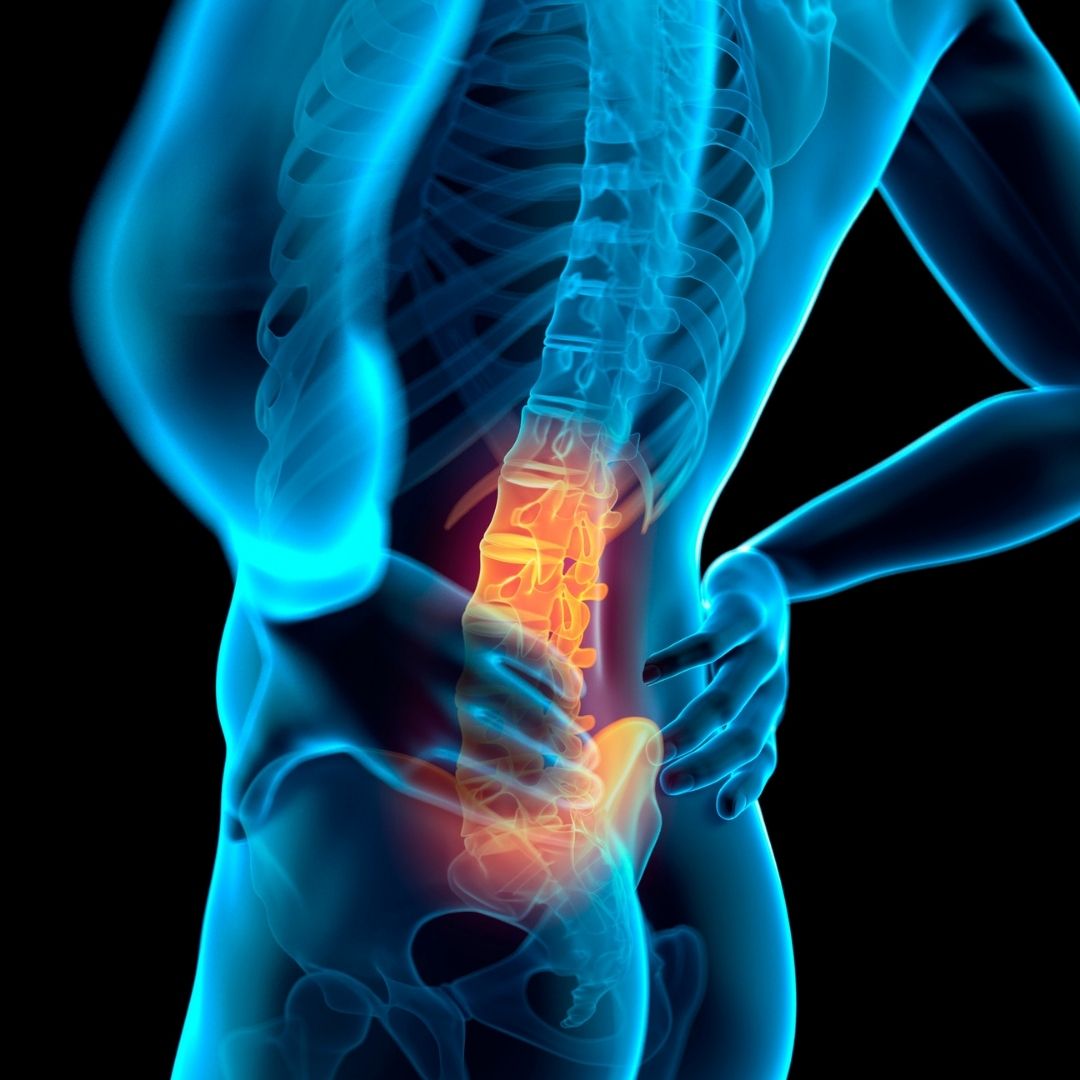
The tailbone — called the coccyx — is the small triangular bone at the very base of the spine. It is what you land on when you slip and fall flat. It is what gets compressed during prolonged sitting on hard surfaces. And in women, it is what the baby's head pushes against during childbirth. When the coccyx is bruised, fractured, or inflamed, it causes a specific and distinctive pain called coccydynia — pain that gets worse when sitting, spikes when transitioning from sitting to standing, and makes every car journey, office chair, and toilet seat a problem.
It is not a dramatic diagnosis. It does not get the attention that disc herniations and sciatica do. But coccydynia is genuinely limiting and, in its chronic form, genuinely miserable. The good news is that most cases respond well to treatment — and even the difficult ones have surgical options that work.
What Is the Coccyx and Why Does It Hurt?
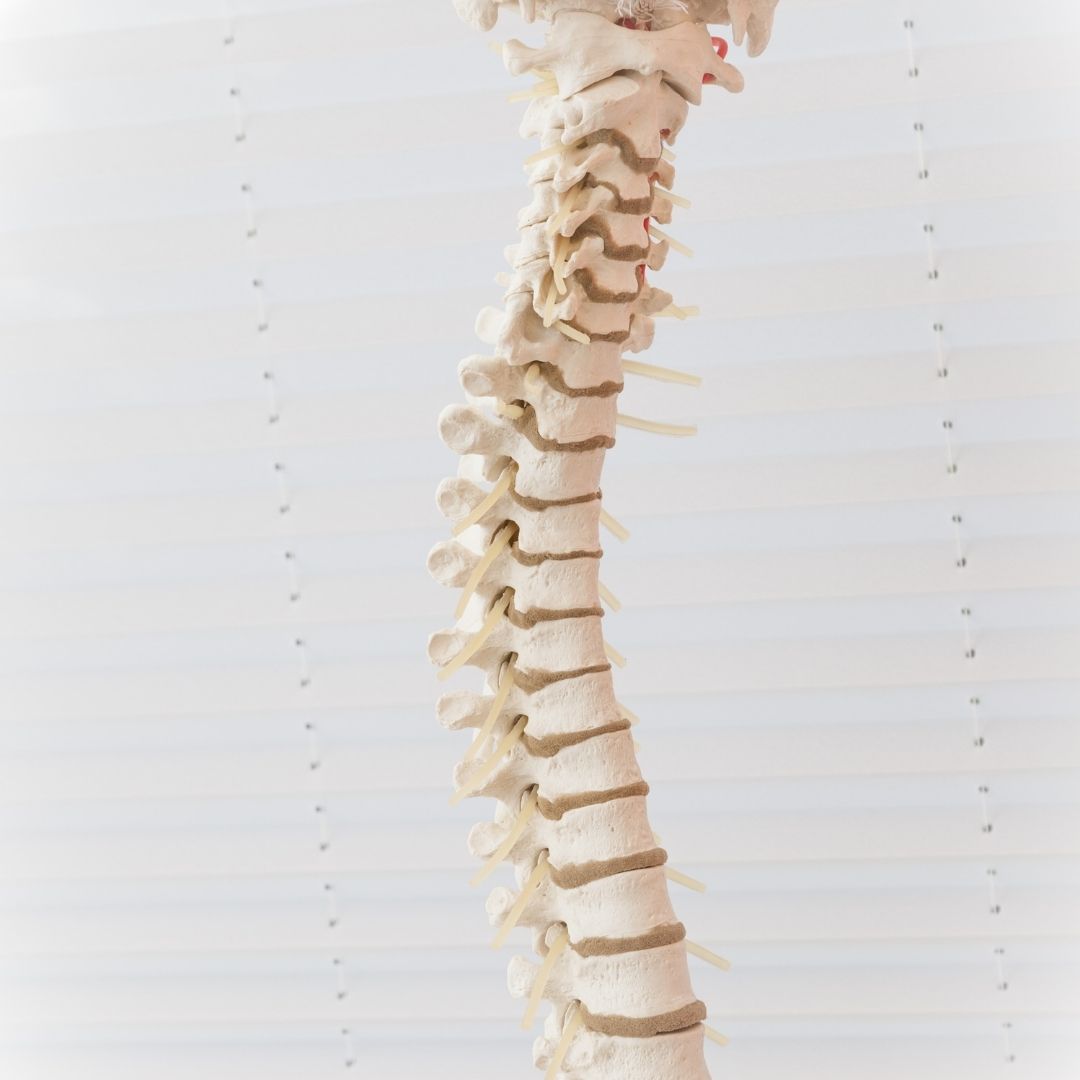
The coccyx is the remnant of a tail — three to five small fused vertebrae below the sacrum at the base of the spine. It serves as an attachment point for several muscles and ligaments of the pelvic floor and is partially weight-bearing in the sitting position. When you sit upright, your weight goes mainly through the ischial tuberosities (the sitting bones felt at the base of the buttocks). When you lean back while sitting, the coccyx takes more of the load. This is why coccydynia patients characteristically prefer to sit forward and find any backward lean causes a sharp increase in pain.
The coccyx can move — it flexes forward slightly when sitting and extends back when standing. When this movement is abnormal (hypermobility, fracture malunion, or joint arthritis), each transition produces pain. Sometimes the coccyx is actually dislocated slightly — pushed forward — and this abnormal position is only visible on a dynamic X-ray taken both sitting and standing.
What Causes Tailbone Pain?
Direct Fall
Slipping on a wet floor, falling off a step, or landing hard on the base of the spine. The coccyx absorbs the impact. It may bruise, fracture, or dislocate at the sacrococcygeal joint. Pain is immediate and severe. Sitting becomes nearly impossible for weeks.
Childbirth Trauma
During vaginal delivery, the baby's head passes through the pelvic outlet and pushes the coccyx backward. In some deliveries — particularly large babies, prolonged labour, or forceps delivery — this pushes the coccyx beyond its normal range, causing fracture or subluxation. Tailbone pain after delivery that persists for months is underdiagnosed.
Repetitive Sitting Strain
Prolonged sitting on hard, narrow, or poorly designed surfaces — motorcycle and auto riders, office workers on cheap chairs, truck and bus drivers — causes repetitive pressure on the coccyx. The sacrococcygeal joint develops inflammation and the surrounding ligaments become irritated over time without any single injury.
Degenerative Coccyx
The sacrococcygeal joint and intercoccygeal joints can develop arthritic changes with age — bone spurs, cartilage loss, and joint space narrowing. These changes make the coccyx less flexible and more symptomatic with prolonged sitting, especially in older women who also have osteoporotic bone making the coccyx more fragile.
Coccyx Hypermobility
Some people have a coccyx that moves more than normal — more than 25 degrees of flexion on dynamic sitting X-ray. This excessive movement irritates the surrounding joints and ligaments. It is more common in women (who have a wider pelvis and a more posteriorly positioned coccyx) and explains why women are 5 times more likely to develop coccydynia than men.
Pilonidal Cyst, Tumour
A pilonidal cyst (infected hair follicle near the tailbone) causes local swelling, redness, and pain that can mimic coccydynia. A coccygeal tumour — rare but worth excluding in persistent pain not responding to treatment — shows on MRI. Any tailbone pain without an obvious mechanical cause should have imaging.
Symptoms — The Pattern That Confirms the Diagnosis
Coccydynia has a characteristic pattern that experienced spine clinicians recognise immediately:
- Pain localised to the very tip of the spine — the tailbone — not in the lower back or buttocks
- Pain that is significantly worse when sitting, especially on hard or narrow surfaces
- Sharp pain on transitioning from sitting to standing — the movement flexes and extends the coccyx, reproducing pain at the joint
- Relief of pain when standing or walking — the coccyx is unloaded
- Pain during or after sexual intercourse in women, and pain with bowel movements — the pelvic floor muscles that attach to the coccyx are involved
- Tenderness on direct palpation of the coccyx tip — pressing on it reproduces the exact pain
How Long Does It Take to Heal?
Acute Phase
Severe pain. Sitting very difficult. Cushion, pain relief, avoid hard surfaces.
Improving
Bruised/fractured coccyx begins healing. Pain reduces with activity modification.
Review Point
If pain persists beyond 3 months, it is unlikely to resolve without active treatment.
Injection Phase
Coccygeal corticosteroid injection gives significant relief in 80-90% of appropriate cases.
Surgery
Coccygectomy considered when all conservative measures and injections have failed.
Treatment
Coccyx Relief Cushion
A donut-shaped or wedge cushion with a cutout at the back reduces direct pressure on the coccyx when sitting. This is the single most effective immediate measure — cheap, non-invasive, and makes the difference between being able to work at a desk or not. Every coccydynia patient should own one before trying anything else.
Anti-Inflammatory Medication
NSAIDs (ibuprofen, naproxen) reduce the inflammation in and around the coccygeal joint. Most useful in the acute phase — first 4-6 weeks after injury. Stool softeners are added when bowel movements are painful, which is common in acute coccydynia.
Physiotherapy
Pelvic floor relaxation techniques and specific exercises to reduce muscle tension around the coccyx. Coccygeal manipulation — performed by a trained physiotherapist via internal technique — can restore normal coccygeal mobility and reduce pain significantly in hypermobility cases. This is not mainstream physiotherapy; it requires a specialist with experience in coccydynia.
Coccygeal Corticosteroid Injection
An injection of corticosteroid (and sometimes local anaesthetic) into the sacrococcygeal joint under fluoroscopy or ultrasound guidance. Effective in 80-90% of patients with appropriate indications. Usually performed when 3 months of conservative treatment has failed. Can be repeated — most patients need 1-2 injections. Provides relief for 3-12 months and in many cases leads to long-term resolution.
Ganglion Impar Block
An injection targeting the ganglion impar — a nerve ganglion at the sacrococcygeal junction that relays pain signals from the coccyx and perineum. Particularly effective for coccydynia with a significant neuropathic (burning, constant) pain component. A single block can provide months of relief.
Coccygectomy (Surgery)
Surgical removal of all or part of the coccyx. Reserved for cases with at least 6 months of failed conservative treatment and injection. Success rate of 80-90% in appropriately selected patients. The coccyx is not structurally essential — people function normally without it. Recovery 4-8 weeks. This is the definitive treatment for intractable coccydynia.
What helps immediately at home
- Buy a coccyx cushion — the cutout style that removes pressure from the tailbone. Available at medical stores and online. Use it on every chair, every car seat.
- Avoid sitting for prolonged periods — stand and walk briefly every 30-45 minutes.
- Lean forward slightly when sitting — this shifts weight to the ischial tuberosities and off the coccyx.
- Apply ice for the first 48 hours after a fall, then switch to heat for muscle relaxation.
- Take a standard NSAID (ibuprofen 400mg with food) unless you have stomach or kidney problems.
- Stool softeners (like lactulose) if bowel movements are triggering pain.
See a Doctor If
- Pain has not improved after 6-8 weeks of cushion use and pain relief
- Pain is severe and you cannot sit at all — an X-ray to rule out fracture is needed
- You have tailbone pain after childbirth that has persisted beyond 3 months
- There is visible swelling, redness, or discharge near the tailbone — may be a pilonidal cyst requiring different treatment
- Pain is waking you from sleep or present when lying down — this pattern is less typical for coccydynia and needs imaging to rule out other causes
Call Pure Ortho Hospitals, Sainikpuri: 8686868208
Spine Team at Pure Ortho Hospitals, Sainikpuri
Dr. Sai Krishna C.S
Dr. G. Uday Sekhar Reddy
Dr. L. Sreeram
Frequently Asked Questions
Other Departments at Pure Ortho Hospitals
Tailbone Pain Assessment at Pure Ortho Hospitals, Sainikpuri
Coccydynia is one of the more treatable spine conditions — most patients respond to a cushion, physiotherapy, and if needed, a single injection. Book an assessment at Pure Ortho Hospitals, Sainikpuri, Hyderabad.
Call 8686868208More from Pure Ortho Hospitals
This article is for patient education only. Please consult a qualified spine specialist before making any treatment decisions.