
Sciatica vs Lower Back Pain — What Is the Difference and How Each Is Treated
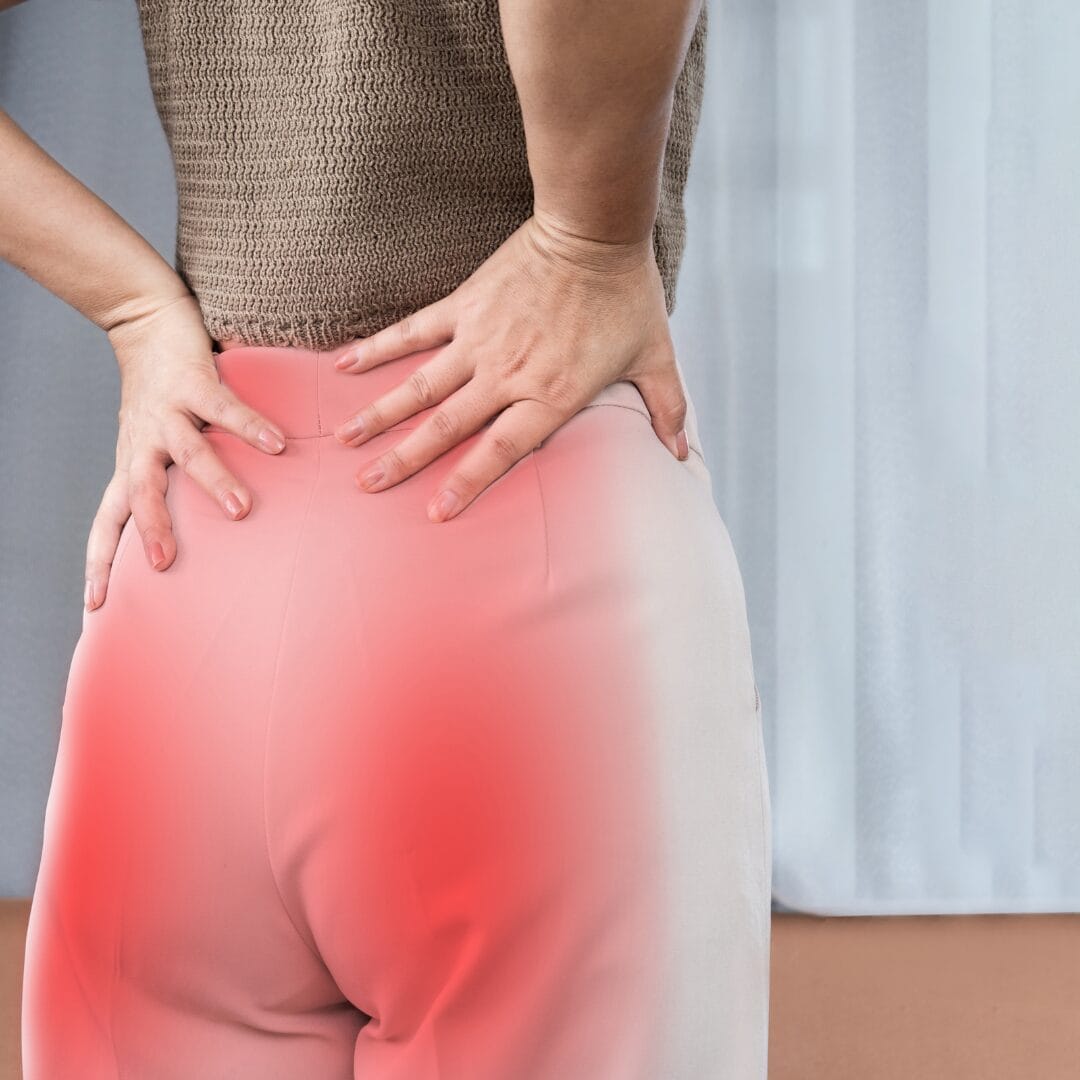
Lower back pain is one of the most common health complaints in the world. But not every lower back pain is the same — and the distinction that matters most to treatment is whether the pain is purely in the back or whether it travels into the leg. That single feature separates two very different conditions that are frequently confused with each other.
Sciatica is a specific term for pain that radiates along the path of the sciatic nerve — from the lower back through the buttock, down the back of the thigh, and often below the knee into the calf or foot. The cause is almost always nerve compression in the lower spine. Ordinary lower back pain without leg radiation is a different problem with different causes and different treatments. Getting this distinction right from the start saves months of the wrong physiotherapy, the wrong medication, and the wrong expectations.
The Key Difference at a Glance
What Is the Sciatic Nerve?
The sciatic nerve forms from nerve roots that exit the lower spine at L4, L5, S1, S2, and S3. These roots combine in the pelvis to form the sciatic nerve, which is the largest and longest nerve in the body. It exits through the greater sciatic foramen in the pelvis, runs through the buttock beneath the gluteus maximus muscle, travels down the back of the thigh, and branches at the knee into the tibial and common peroneal nerves — which continue into the lower leg, ankle, and foot.
When any of the contributing nerve roots are compressed — most often at L4-L5 or L5-S1 levels — the pain and neurological symptoms travel the entire length of the nerve below that point. This is why someone with a disc herniation in the lower back feels pain in their calf or their toes, not just their back.
What Causes Sciatica
Lumbar Disc Herniation
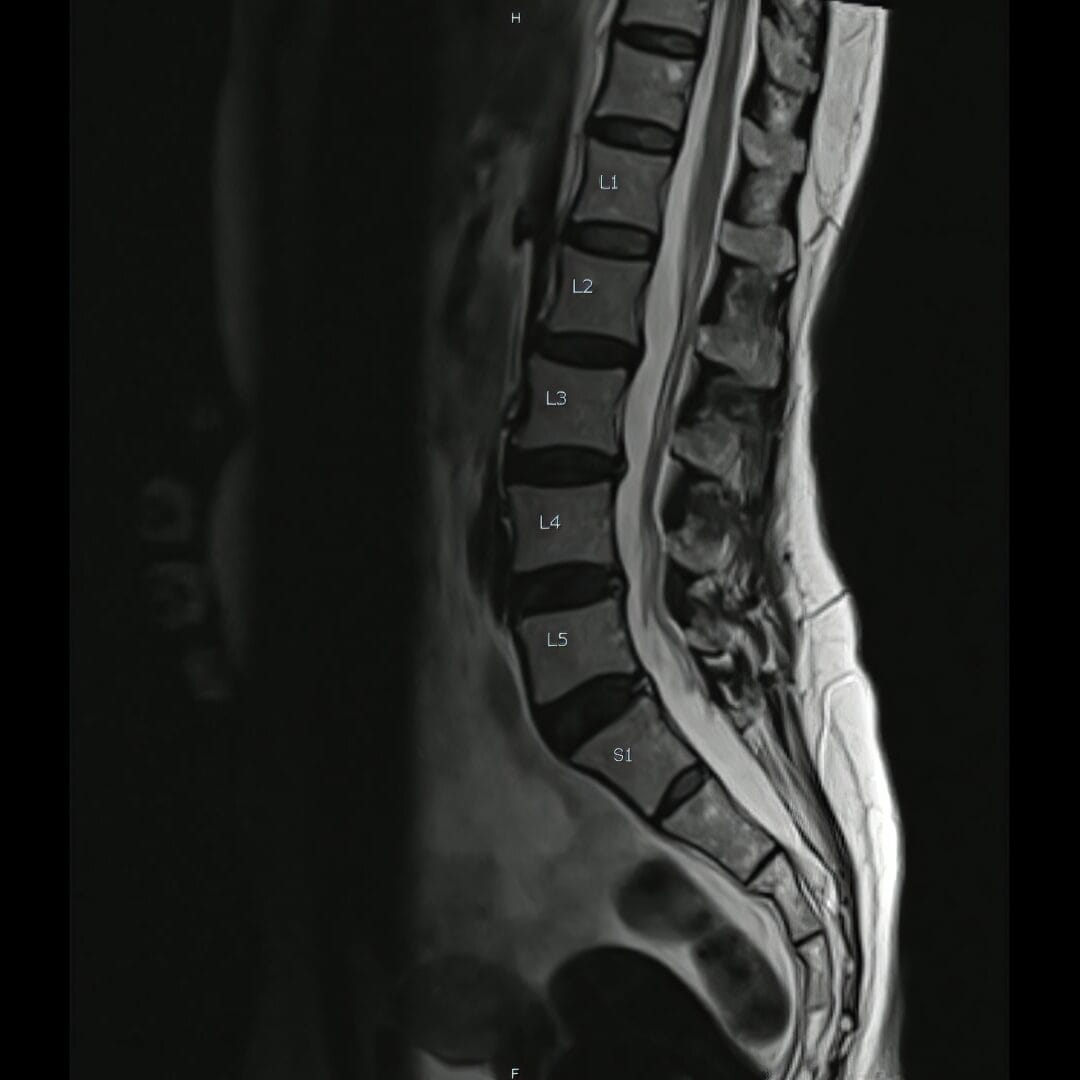
The gel-like nucleus of a lumbar disc (usually L4-L5 or L5-S1) pushes through the outer ring and presses on the adjacent nerve root. The disc can reabsorb over weeks to months — explaining why many cases of sciatica improve with conservative treatment. MRI confirms the level and severity.
Lumbar Spinal Stenosis
Narrowing of the spinal canal from arthritic bone spurs, thickened ligaments, and degenerative disc changes. Produces sciatica-like leg pain that characteristically worsens with walking and standing (neurogenic claudication) and improves with sitting or bending forward. Different from disc herniation — treatment approaches differ.
Piriformis Syndrome
The sciatic nerve passes through or beneath the piriformis muscle in the buttock. When the piriformis spasms or hypertrophies (common in runners and people with hip instability), it can compress the nerve outside the spine. MRI of the lumbar spine is normal. Diagnosed with clinical assessment and ultrasound.
Spondylolisthesis
Slippage of one vertebra forward over the one below it. Can compress the nerve root at the level of the slippage. Often produces both back pain and leg pain. Identified on X-ray and MRI. Management depends on the degree of slip and neurological involvement.
Tumour or Infection
Rarely, sciatica is caused by a space-occupying lesion in the spinal canal or pelvis. Red flags — unexplained weight loss, fever, night pain that is constant and not relieved by any position, or bilateral symptoms — require urgent imaging to exclude these causes.
Sacroiliac Joint Dysfunction
The sacroiliac joint, where the spine meets the pelvis, can refer pain into the buttock and posterior thigh in a pattern that mimics sciatica. True neurological features (numbness, weakness below the knee) are usually absent. Distinguished by clinical examination and diagnostic SI joint injection.
When It Is an Emergency
Go to Emergency Immediately
- Loss of bladder or bowel control with lower back or leg pain — cauda equina syndrome, a surgical emergency
- Weakness in both legs with back pain and saddle anaesthesia (numbness in the groin and inner thighs)
- Rapid progression of leg weakness over hours or days
- Sciatica after a fall or road accident — fracture or spinal cord injury must be excluded first
- Sciatica with fever and night sweats — spinal infection requires urgent imaging and treatment
Emergency: 9951515151 — Pure Ortho Hospitals, Sainikpuri, Hyderabad
Diagnosis — What Imaging Is Needed
Straightforward lower back pain that has been present for under 6 weeks does not routinely need imaging. It is very likely to resolve with rest and physiotherapy, and imaging at this stage rarely changes the management.
MRI of the lumbar spine is appropriate when:
- Leg pain, numbness, or weakness is present alongside back pain
- Symptoms have not improved after 6 weeks of appropriate conservative treatment
- Any red flag symptom is present (see above)
- Surgery or injections are being considered — the level and cause must be confirmed
- The clinical picture does not fit a typical mechanical pattern
Treatment
First 4–6 Weeks: Conservative Management
Anti-inflammatory medication (NSAIDs) for pain and nerve inflammation. Short-term relative rest — complete bed rest is not helpful and worsens recovery. Physiotherapy: nerve mobilisation (sciatic nerve flossing), core stabilisation, and postural correction. Most disc herniations causing sciatica improve significantly in this window as the disc begins to reabsorb.
6–12 Weeks: Lumbar Epidural Steroid Injection
If sciatica has not improved adequately with conservative treatment, a transforaminal (nerve root) or interlaminar epidural steroid injection places corticosteroid directly adjacent to the compressed nerve root under X-ray (fluoroscopic) guidance. This provides significant leg pain relief in the majority of patients and allows physiotherapy to be more effective. The injection treats the inflammation around the nerve, not the disc itself.
For Piriformis Syndrome: Targeted Injection + Stretching
If assessment indicates piriformis syndrome rather than a disc, an ultrasound-guided injection into the piriformis muscle with corticosteroid and local anaesthetic is both diagnostic (confirms the source) and therapeutic. Combined with a piriformis and hip external rotator stretching programme, most patients improve significantly.
Surgery: When and Why
Lumbar discectomy (removal of the herniated disc fragment) is considered when: symptoms have not responded to 6–12 weeks of conservative treatment including injection; neurological deficit (foot drop, significant leg weakness) is present and not improving; or cauda equina syndrome requires emergency decompression. Minimally invasive microdiscectomy is the standard technique — a small incision, operating microscope, and removal of only the herniated fragment. The success rate for leg pain relief is high (80–90%).
For Spinal Stenosis: Decompression Surgery
Spinal stenosis producing significant neurogenic claudication that has not responded to injections and physiotherapy is treated with laminectomy (decompression) — removing the tissue compressing the spinal canal. The approach differs from discectomy and is determined by which levels are affected and the extent of the stenosis.
Exercises That Help Sciatica (With Physiotherapy Guidance)
- Sciatic nerve flossing — gentle ankle pump combined with knee straightening while lying flat
- Knee-to-chest stretch — reduces compressive load on the lumbar nerve roots
- Piriformis stretch — seated figure-four stretch, especially useful if piriformis syndrome is suspected
- Bird-dog — core stability without lumbar flexion loading
- Walking — maintained low-impact movement is more beneficial than rest for recovery
- Avoid: heavy lifting, prolonged sitting without breaks, trunk twisting under load during the acute phase
Our Spine Specialists
Dr. Sai Krishna C.S
Dr. G. Uday Sekhar Reddy
Dr. Pudari Manoj Kumar
Dr. L. Sreeram
Frequently Asked Questions
Other Departments
Back Pain That Shoots Into the Leg?
Leg pain with back pain is a different problem from back pain alone — and needs a different assessment. Book a spine consultation at Pure Ortho Hospitals, Sainikpuri, Hyderabad.
Call 8686868208More from Pure Ortho Hospitals
This article is for patient education only. Please consult a qualified specialist before making any treatment decisions.