
ACL Tear: Symptoms, Diagnosis, Surgery Cost and Recovery — A Patient Guide
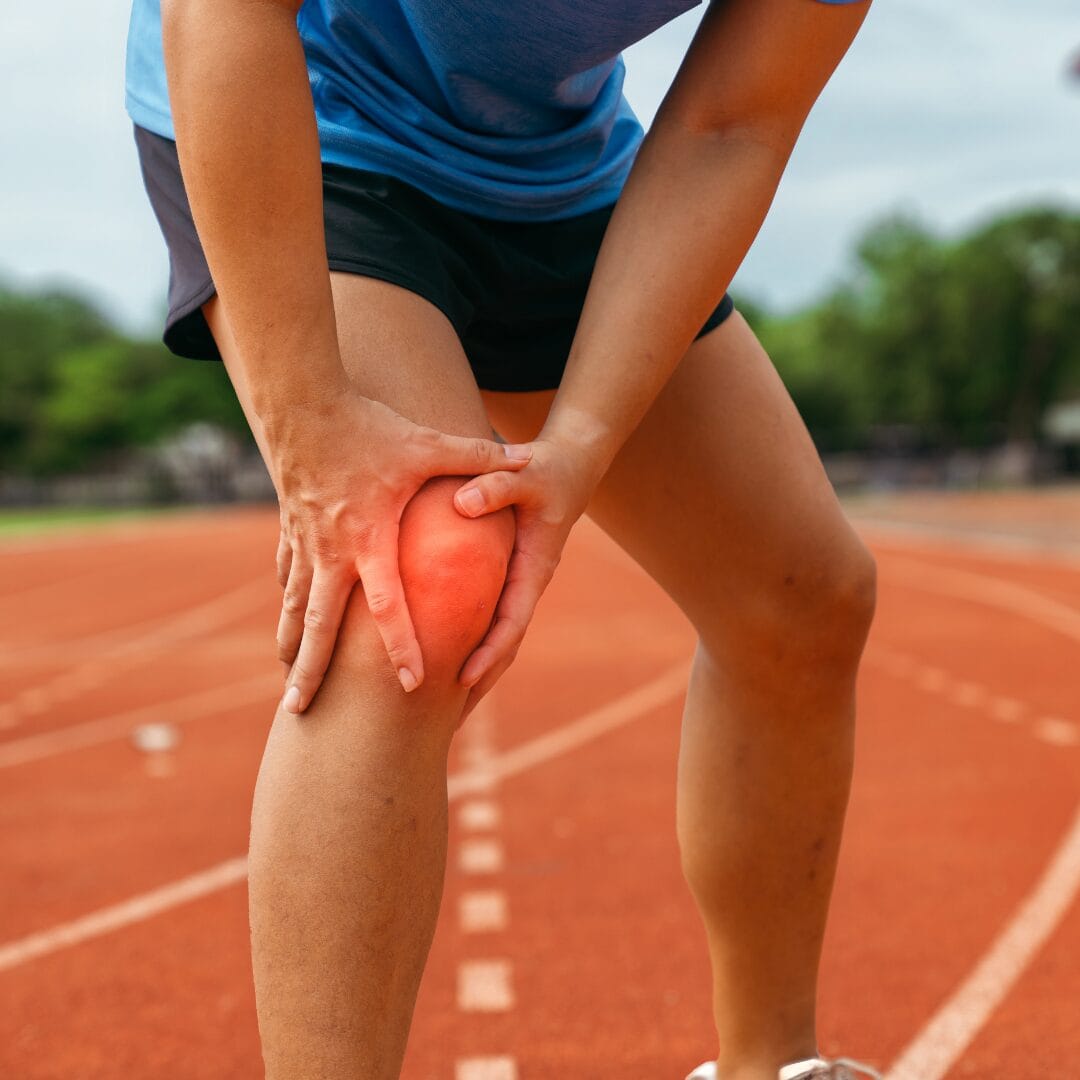
A knee that gives way during a sudden turn. A loud pop during sport. Swelling that appears almost immediately after a fall or twist. These are the moments many ACL injuries begin — and the hours and days that follow are often filled with uncertainty about what exactly happened and what needs to be done.
This guide covers ACL tears plainly and completely: what the ACL is, how injuries are graded, what symptoms to watch for, how diagnosis works, what surgery involves, recovery timelines, and what it costs. The goal is to give you enough understanding to have an informed conversation with a specialist at Pure Ortho Hospitals, Sainikpuri, Hyderabad.
What Is the ACL and Why Does It Matter?
The ACL (Anterior Cruciate Ligament) is one of four major ligaments inside the knee. It runs diagonally through the centre of the joint, connecting the thighbone (femur) to the shinbone (tibia). Its primary job is to control forward movement of the tibia and rotational stability of the knee.
When the ACL is torn, this stability is lost. The knee can feel like it is shifting, collapsing, or giving way — particularly during changes of direction, landing from a jump, or going downstairs. Without the ACL, the knee is fundamentally less reliable for physical activity, and over time, an unstable knee can damage other structures like the meniscus and cartilage.
How ACL Tears Happen
ACL tears are more common than most people realise — and a large proportion happen without any contact at all. The typical mechanism is a sudden deceleration, pivot, or change of direction where the knee is forced into an abnormal position.
Common mechanisms of ACL injury
- Sudden stopping or change of direction while running
- Landing awkwardly from a jump — common in basketball, volleyball
- Twisting the knee while the foot is planted — football, badminton, kabaddi
- Direct collision to the knee during contact sport
- Hyperextension of the knee — knee bending backwards beyond normal range
- Slipping or falling with the leg twisted underneath
ACL tears are not exclusive to professional athletes. They happen to recreational gym-goers, weekend cricket players, people who simply land badly on stairs, and older adults with weakened knees. Any age, any fitness level.
Grades of ACL Injury
Not all ACL injuries are the same. They are classified by severity, and this classification directly affects treatment decisions.
Mild Sprain
Ligament stretched but intact. Knee stable. Some pain and swelling. Usually heals with conservative treatment.
Partial Tear
Ligament partially torn. Knee may feel unstable. Treatment depends on severity and activity demands.
Complete Tear
Ligament fully ruptured. Significant instability. Surgery usually recommended for active patients.
A partial ACL tear does not automatically mean surgery is avoidable — it depends on the degree of instability and what the patient needs from their knee. Equally, a complete tear does not automatically mean surgery is the only path for everyone. This is why professional evaluation matters before any decision is made.
ACL Tear Symptoms — What You Might Experience
The signs of an ACL tear vary based on how severe the injury is and how much time has passed since it happened. Acute symptoms appear immediately at the time of injury. Chronic symptoms develop in the days and weeks that follow.
Audible Pop
A loud or felt popping sensation at the moment of injury — not always present
Immediate Swelling
Knee swells rapidly within 1-2 hours of injury due to internal bleeding
Severe Knee Pain
Sharp pain at the time of injury, may ease but returns with movement
Instability
Knee feels like it is giving way, shifting, or cannot be trusted during movement
Inability to Bear Weight
Difficulty or inability to stand or walk immediately after the injury
Loss of Range of Motion
Cannot fully straighten or bend the knee due to swelling and pain
Seek Immediate Evaluation If
- Knee is visibly deformed or locked in a position
- Severe swelling within minutes of injury
- Complete inability to bear weight
- Numbness or altered sensation in the foot or leg
These signs suggest a serious injury. Call 8686868208 or visit Pure Ortho Hospitals 24x7 emergency immediately.
Diagnosing an ACL Tear — What Happens at Pure Ortho
Self-diagnosis of an ACL tear is not reliable. Knee injuries are complex — the ACL often tears alongside damage to the meniscus, cartilage, or other ligaments. A proper diagnosis requires a clinical examination followed by imaging.
Diagnostic process at Pure Ortho Hospitals
- History taking — exact mechanism of injury, symptoms since, previous knee problems
- Clinical examination — Lachman test, anterior drawer test, pivot shift test to assess stability
- X-ray — rules out associated fractures or bone injuries
- MRI scan — most accurate — shows ACL, meniscus, cartilage, and other structures clearly
- Assessment of associated injuries — meniscus tear, collateral ligament injury, cartilage damage
An MRI is the gold standard for ACL diagnosis. It shows not just the ACL but the surrounding structures — which matters because isolated ACL tears are less common than ACL tears combined with meniscus or cartilage damage. Knowing the full picture before surgery changes the surgical plan significantly.
Partial ACL Tear — Does It Need Surgery?
A partial ACL tear sits in a grey zone that many patients find confusing. The knee may feel relatively stable, pain may reduce over weeks, and the temptation is to assume it has "healed." But a partial tear does not mean the ligament has repaired itself structurally.
Whether a partial ACL tear needs surgery depends on three things: how much of the ligament is torn, how unstable the knee feels during activity, and what physical demands the patient places on the knee. A recreational walker with a partial tear managed conservatively is a very different situation from a competitive sportsperson with the same injury needing to return to the field.
This is not a decision to make based on a blog. It requires a specialist examination and imaging review at Pure Ortho Hospitals.
ACL Surgery — Reconstruction, Not Repair
ACL surgery is not a repair in the traditional sense. A torn ACL does not have sufficient blood supply to heal on its own even if sutured together. Instead, the torn ligament is replaced using a graft — a piece of tendon taken either from the patient's own body (autograft) or from a donor (allograft).
Common graft options for ACL reconstruction
- Patellar tendon graft — strong, often used for high-demand athletes
- Hamstring tendon graft — commonly used, good outcomes, less donor site pain
- Quadriceps tendon graft — increasingly used, good tissue volume
- Allograft (donor tissue) — used in select cases, avoids donor site issues
The choice of graft depends on the patient's age, activity level, associated injuries, and surgeon assessment. Your surgeon will discuss which graft is most suitable for your specific case.
Arthroscopic ACL Reconstruction — How It Works
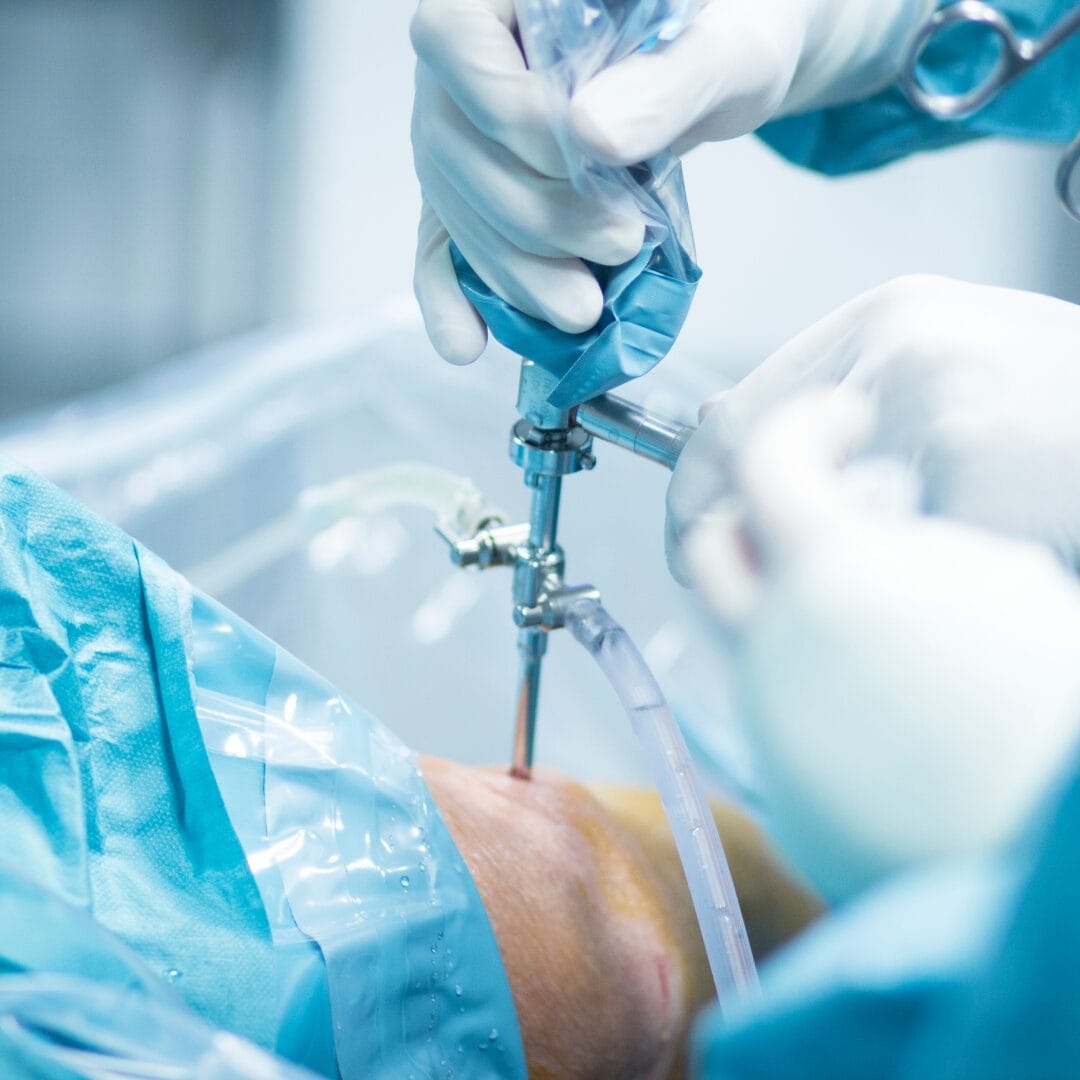
Almost all ACL surgeries today are performed arthroscopically — through small keyhole incisions rather than a large open cut. This is one of the key procedures in Pure Ortho's Arthroscopy department.
Open Surgery (older approach)
- Large incision required
- Greater muscle disruption
- Longer hospital stay
- More post-operative pain
- Slower initial recovery
Arthroscopic Reconstruction
- 2-4 small keyhole incisions
- Camera-guided precision
- Day-care or 1-night stay
- Less post-operative pain
- Faster return to activity
During the procedure, the surgeon uses a camera inserted through a small incision to view the knee interior. The torn ACL is removed, tunnels are drilled into the bone, and the graft is fixed in position using screws or other fixation devices. Associated injuries like meniscus tears are addressed during the same procedure.
ACL Surgery Cost — What Affects the Price
ACL surgery cost in India varies considerably, and patients searching online will find a wide range of figures. The honest reason for this variation is that no two ACL surgeries are identical in terms of scope, graft choice, or associated work needed.
Factors that affect ACL surgery cost
- Type of graft — autograft (own tissue) vs allograft (donor)
- Associated injuries — meniscus repair or cartilage work during same procedure
- Implants and fixation hardware used
- Duration of hospital stay
- Pre-operative investigations and anaesthesia
- Post-operative physiotherapy programme
- Whether health insurance covers the procedure
Rather than quoting numbers that may not apply to your case, the right approach is a consultation at Pure Ortho Hospitals. After reviewing your MRI and examining your knee, the surgical team can give you a clear, specific estimate for your situation. Most health insurance policies in India do cover ACL reconstruction — bring your policy documents to the consultation.
Recovery After ACL Surgery — What to Expect
ACL recovery is not a sprint. It is one of the longer orthopaedic recovery journeys, and the reason is important to understand: the graft goes through a biological remodelling process inside the bone. Returning too early risks re-injury of the new ligament before it has matured.
Week 1-2
Pain and swelling management. Walking with crutches. Early physiotherapy begins.
Week 2-6
Progressive weight-bearing. Swelling reduces. Range of motion exercises.
Week 6-12
Strengthening begins. Most daily activities resume without aids.
Month 3-5
More demanding rehabilitation. Light jogging may begin.
Month 6-9
Sport-specific training. Return-to-sport assessment.
Month 9-12
Cleared for full competitive sport in most cases.
These timelines are general. Individual recovery is faster or slower depending on the complexity of surgery, the patient's baseline fitness, how consistently physiotherapy is followed, and associated injuries. Your team at Pure Ortho will set milestones specific to your case.
Warning Signs After ACL Surgery
Most ACL recoveries progress without serious complications. But there are signs that warrant an urgent call to your surgeon rather than waiting for the next follow-up.
Contact Your Surgeon If You Notice
- Sudden increase in swelling or warmth in the knee after initial improvement
- Fever above 38°C within the first 2 weeks
- Redness or discharge at the incision site
- Severe calf pain or swelling (possible blood clot)
- Knee gives way again during rehabilitation
- Loss of movement gains that were previously achieved
Pure Ortho Hospitals 24x7 emergency line: 8686868208
Can You Play Sport Again After ACL Surgery?
Yes — and for most patients, that is precisely the goal. Return to sport after ACL reconstruction is well-established and achievable. The key conditions are: completing the full rehabilitation programme, passing specific strength and movement criteria assessed by the physiotherapy team, and receiving clearance from your surgeon.
Attempting to return to sport before meeting these criteria significantly increases the risk of re-tearing the graft. The 6-9 month timeline is not arbitrary — it corresponds to the biological maturation of the graft inside the bone.
Meet the Specialists at Pure Ortho Hospitals
ACL treatment at Pure Ortho Hospitals is handled by a multidisciplinary team across sports medicine, arthroscopy, physiotherapy, and supporting specialties.
Dr. V.S. Abhilash Kumar S
MBBS, MS Ortho, FIJR, FISS (S.Korea, USA) — Clinical Director, Sports Medicine & Robotic Joint Replacement
Dr. G. Uday Sekhar Reddy
MBBS, MS Ortho, MCh Ortho
Dr. Pudari Manoj Kumar
MBBS, MS Ortho, FIJR, FIRJR
Dr. Sai Karthikeya Badri
MBBS, D. Ortho, DNB
Dr. L. Sreeram
MPT (Ortho), FDOR, MIAP
Dr. L. Sri Dharani
BPT, MIAP, PTOTA (Canada)
Dr. B. Jayanth Varma
MBBS, Diploma in Anaesthesiology
Dr. Goutham Balachandra Reddy
MD (Anaesthesiology), Fellowship in Critical Care Medicine, IAFM
Frequently Asked Questions
Other Departments at Pure Ortho Hospitals
ACL care at Pure Ortho Hospitals draws on multiple departments working together for complete treatment from diagnosis through rehabilitation.
Get Your Knee Properly Evaluated
A knee injury left unassessed or undertreated causes long-term damage. Visit Pure Ortho Hospitals, Sainikpuri for a thorough evaluation and a clear treatment plan — surgical or non-surgical.
Call 8686868208More from Pure Ortho Hospitals
This article is for patient education only. Please consult a qualified orthopaedic surgeon before making any treatment decisions.