

Why Young Adults Are Getting Joint Pain — Causes, Warning Signs, and Treatment
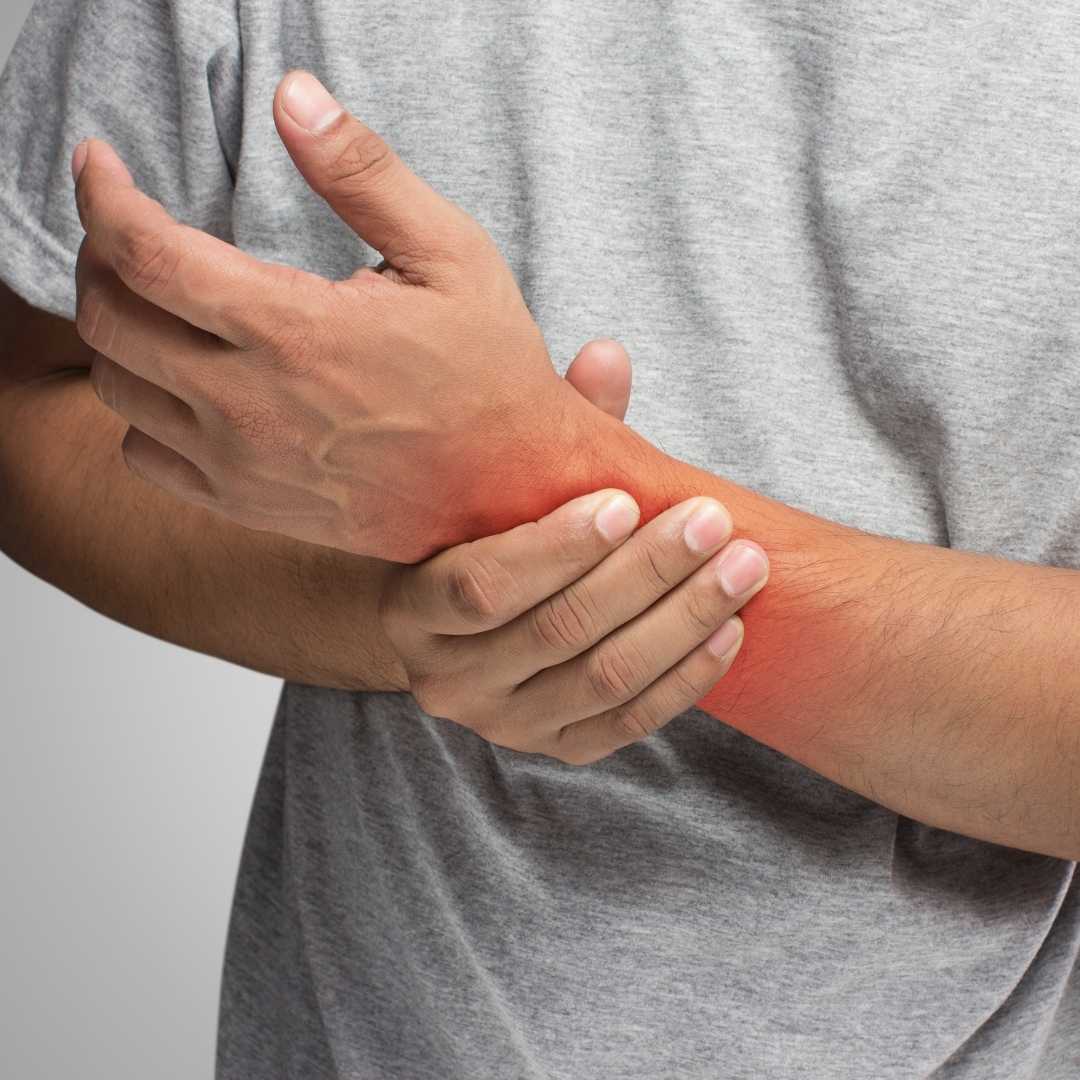
An IT professional in their early 30s who cannot sit through a full workday without knee pain. A 26-year-old who started getting hip stiffness so severe their morning routine takes twice as long. A 22-year-old whose wrist and finger joints are swollen and warm every morning. These are not unusual cases anymore. They arrive at orthopaedic clinics in increasing numbers, and the question driving all of them to search at 11pm is: why is this happening to me now?
Joint pain before 40 used to be unusual enough to be immediately investigated. Today it is common enough that many young adults dismiss it as muscle strain for months before seeing a doctor. That delay is a problem — because several of the conditions causing joint pain in young adults are progressive, and early treatment changes outcomes significantly.
of musculoskeletal complaints in young adults are back and joint pain
of spine clinic patients in India are aged 16-34
rise in young adults presenting with knee pain at ortho clinics since 2020
peak age of onset for rheumatoid arthritis
What Is Actually Driving This
Sedentary Desk Lifestyle
Indian IT, finance, and services workers spend 8-10 hours seated with minimal movement. Sitting compresses knee and hip joints. Weak core and hip muscles reduce spinal stability. Muscle imbalances from prolonged sitting create abnormal joint loading that accumulates over years. The generation entering their 30s now has spent their entire working life in this pattern.
Obesity and Overweight
Each kg of excess weight multiplies into 4 kg of additional knee joint force during walking. A person carrying 15 kg extra places 60 kg of additional load on their knees with every step. India's urban obesity rate has doubled in the last decade. The knee cartilage of a 32-year-old with significant excess weight experiences wear rates more typical of a 55-year-old from previous generations.
Previous Sports Injuries
ACL tears, meniscus tears, and ankle ligament injuries in teenagers that were "managed with rest" rather than properly treated leave joint instability that accelerates cartilage damage. An ACL-deficient knee develops significant cartilage wear over 10-15 years. A young person who tore their ACL at 18 and never had surgery is at high risk for knee arthritis by 35.
Inflammatory Arthritis
Rheumatoid arthritis, psoriatic arthritis, and ankylosing spondylitis are autoimmune conditions where the immune system attacks the joint lining. RA most commonly starts between 25-45. Morning stiffness lasting over an hour, symmetrical small joint swelling (fingers and wrists), fatigue alongside joint pain — these are RA's hallmarks. Delayed diagnosis allows progressive joint destruction that is irreversible.
Vitamin D Deficiency
With 80% of urban Indians vitamin D deficient, consequences show up as joint aching, muscle weakness, and bone pain — often mistaken for general weakness or stress. A young adult with severe vitamin D deficiency has genuinely weaker muscles supporting their joints and lower bone density than their age suggests.
Sudden Exercise After Inactivity
Completely sedentary all week, then playing cricket for 3 hours on Sunday. Joints and muscles are not conditioned for this sudden demand. The result: meniscus tears, ligament strains, cartilage bruising, and tendon injuries. This pattern is extremely common among young urban Indian men aged 25-40.
Which Joints Get Affected and Why
Knees
The most commonly affected joint in young adults. Patellofemoral syndrome — kneecap pain from tracking problems caused by weak hip abductors and tight IT band — is extremely common in desk workers who also do occasional intense exercise. Meniscus tears from squatting (common in Indian floor seating habits) and sports. Early-onset knee arthritis in those with previous injuries or obesity.
Lower Back
Back pain makes up 76% of all musculoskeletal complaints in young adults in India. Disc problems at L4-L5 and L5-S1 from prolonged sitting with poor posture. Facet joint stress from weak core muscles. Muscle spasm from deconditioning. The lower back is the first joint system to deteriorate in a modern sedentary lifestyle.
Hips
Hip impingement (femoroacetabular impingement — FAI) is a structural mismatch between the femoral head and acetabulum that produces hip pain in young active adults, particularly with deep hip flexion. It is increasingly recognised as a significant cause of hip pain in young adults aged 20-40 and as a risk factor for early hip arthritis.
Fingers and Wrists
Symmetrical swelling of the small joints of the hands — morning stiffness, warmth, tenderness — is the classic presentation of rheumatoid arthritis. A young adult with these symptoms should have blood tests (RF, anti-CCP antibody, CRP, ESR) within days. Early diagnosis is the most important determinant of RA outcome.
Myths vs Facts
Myth
Joint pain at 30 is just muscle strain — it will go away with rest.
Fact
Persistent joint pain warrants assessment. Cartilage damage and inflammatory arthritis do not resolve with rest. Early diagnosis changes outcomes.
Myth
Only old people get arthritis.
Fact
Rheumatoid arthritis most commonly starts between 25-50. Ankylosing spondylitis almost always starts before 45.
Myth
Exercise will make joint pain worse.
Fact
Inactivity drives joint pain. The right exercise guided by a physiotherapist is the most effective treatment for most young adult joint problems.
Myth
Pain killers are enough to manage it.
Fact
Pain killers mask symptoms. They do not treat cartilage damage, ligament instability, or autoimmune inflammation. Taking them without a diagnosis delays treatment that could prevent permanent damage.
When to Stop Waiting
Do Not Dismiss These as Muscle Pain
- Joint swelling visible to the eye — swollen joints are inflamed, not just sore
- Morning stiffness in any joint lasting more than 30 minutes
- Joint pain in multiple joints simultaneously — particularly fingers, wrists, or both knees
- Pain waking you from sleep
- Hip or groin pain under 40 — could be FAI, early AVN, or stress fracture
- Knee locking, giving way, or clicking with pain — likely meniscus or ligament
- Joint pain with skin rash, eye redness, or urinary symptoms — autoimmune workup needed
- Any joint pain that has not improved after 4-6 weeks of rest and basic pain relief
Call Pure Ortho Hospitals, Sainikpuri: 8686868208
Treatment Options
Correct Diagnosis First
The differential for young adult joint pain is wide — inflammatory arthritis, FAI, early AVN, ligament instability, cartilage defects, vitamin deficiencies. Treatment without diagnosis is guesswork. X-ray, MRI, and blood tests identify what you actually have.
Physiotherapy
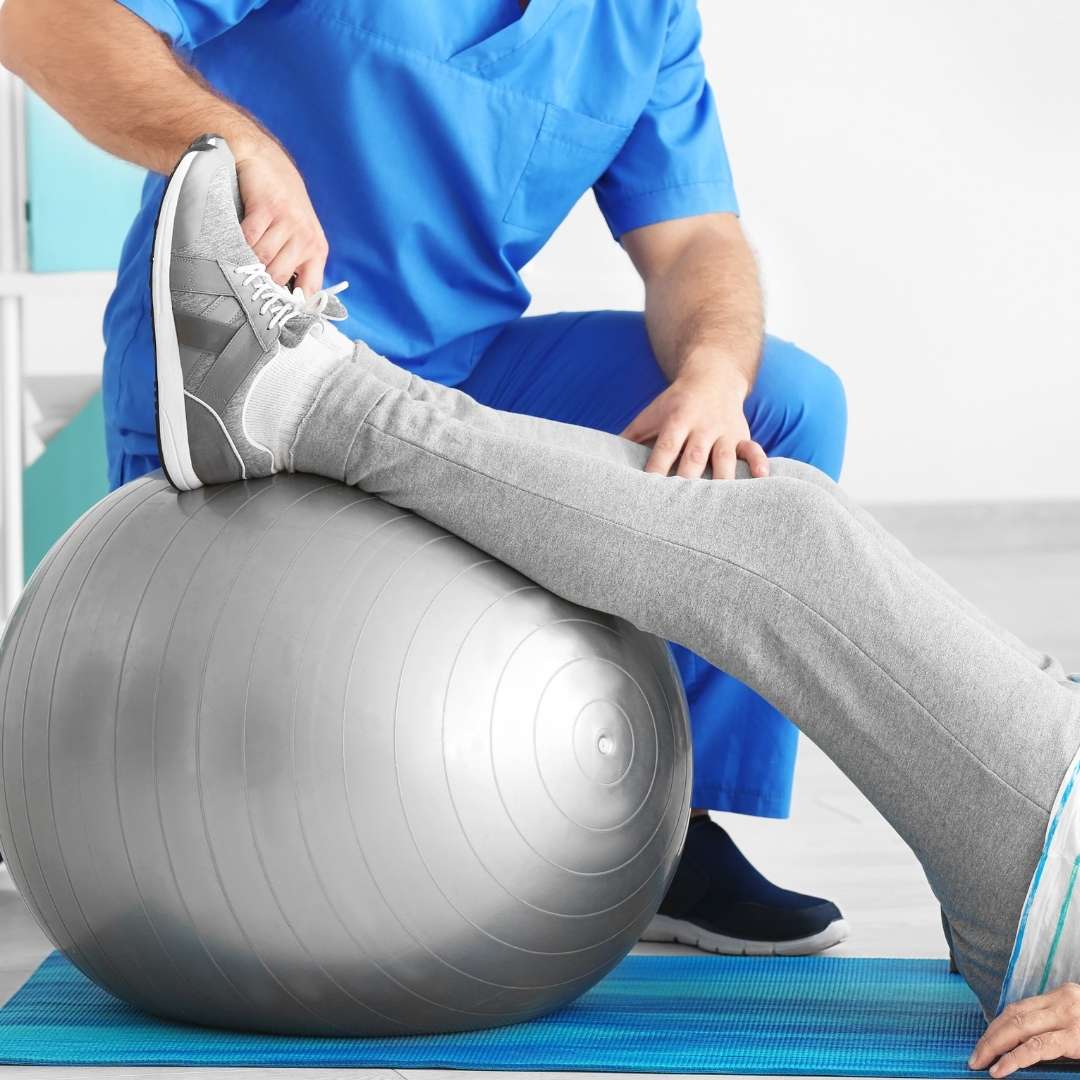
Most effective for patellofemoral syndrome, early knee pain from muscle imbalance, and back pain from deconditioning. A structured programme targeting hip abductor, VMO, and core strengthening addresses root cause. Most young adults improve significantly with 6-8 weeks of proper physiotherapy.
Weight Management
Not optional for young adults with knee or hip pain who are overweight. Every 10 kg lost reduces knee joint force by 40 kg per step. Weight loss combined with physiotherapy is more effective for early knee osteoarthritis than either alone.
Arthroscopy for Meniscus and Ligament
Meniscus tears causing locking, swelling, and mechanical symptoms are best treated with arthroscopic repair when possible. ACL tears causing instability should be reconstructed — the instability accelerates cartilage damage. Day procedures with well-established recovery timelines.
DMARDs for Inflammatory Arthritis
Rheumatoid arthritis diagnosed early and treated with disease-modifying antirheumatic drugs achieves remission in a significant proportion of patients — meaning no joint damage, no disability, and a normal life. Delayed diagnosis means irreversible joint destruction.
Vitamin D Correction
Correcting vitamin D deficiency — under medical guidance until levels normalise — often produces dramatic improvement in diffuse joint aching and muscle weakness. Simple, cheap, and massively underutilised in India.
Specialists at Pure Ortho Hospitals, Sainikpuri
Dr. V.S. Abhilash Kumar S
Dr. G. Uday Sekhar Reddy
Dr. RNV Vamshi Krishna
Dr. L. Sreeram
Frequently Asked Questions
Other Departments
Joint Pain Before 40? Get a Proper Assessment.
Pain killers mask symptoms. Early diagnosis changes outcomes. Book a consultation at Pure Ortho Hospitals, Sainikpuri — specialists in young adult joint conditions, sports injuries, and inflammatory arthritis.
Call 8686868208More from Pure Ortho Hospitals
This article is for patient education only. Please consult a qualified specialist before making any treatment decisions.