

Joint Pain in Monsoon and Rainy Season — Why It Gets Worse and What to Do
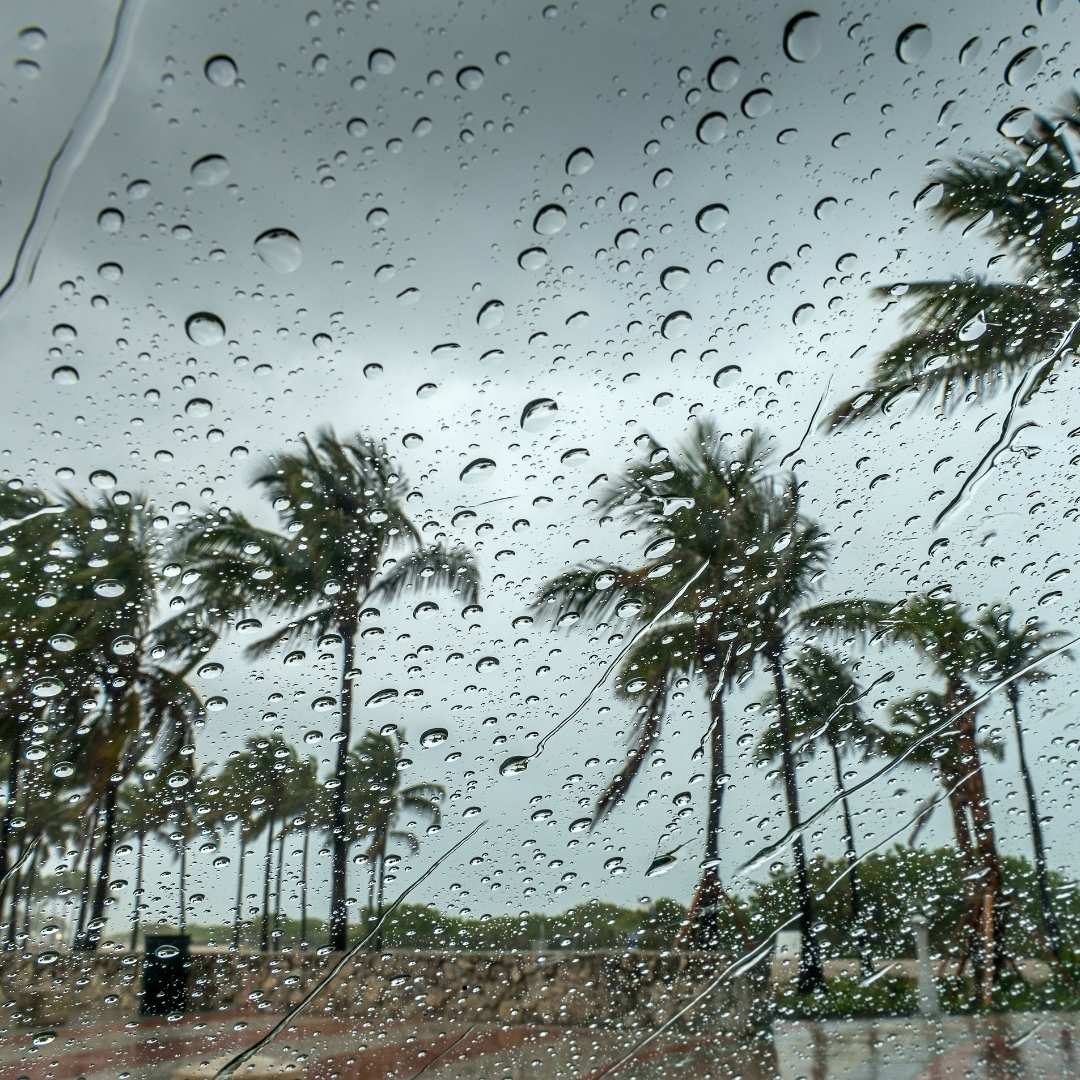
It is not imagination. Every year as the first rains of Hyderabad's monsoon arrive, the phones at orthopaedic clinics ring more. Patients with knee arthritis who were managing reasonably well through summer suddenly struggle to climb stairs. People with old back injuries that had been quiet for months feel them flare. Those with previous fractures notice aching at the old injury site. And the most common question they ask is: why does rain make my joints hurt?
The answer involves barometric pressure, synovial fluid, nerve sensitivity, and activity patterns — and understanding these mechanisms makes it clear both why the pain is real and what actually helps versus what does not.
The Science — Why Monsoon Affects Joints
Barometric Pressure Drop
Before and during rain, atmospheric pressure falls. Lower barometric pressure allows tissues inside and around the joint — synovial membrane, cartilage, tendons, ligaments — to expand slightly. In a healthy joint with ample space this is imperceptible. In an arthritic joint where space is already reduced, even a small expansion creates significant pressure against surrounding tissues, producing pain and stiffness.
Cold and Humidity
Monsoon brings cooler, more humid air. Cold causes muscles and tendons around the joint to tighten and become less pliable — reducing the natural cushioning effect of the surrounding musculature. Humidity affects the viscosity of synovial fluid — the joint's lubricant — making it slightly less effective at reducing friction during movement.
Reduced Activity
Monsoon keeps people indoors. Walks are skipped. Gym sessions are missed. Evening strolls stop. The reduction in physical activity allows joints to stiffen progressively — synovial fluid circulation depends on movement, and without it the joint becomes less well-lubricated. The people who need movement most for joint health are the ones reducing it most during rainy season.
Nerve Sensitivity
Joints affected by arthritis or previous injury have altered nerve populations in the joint lining — including baroreceptors that respond to pressure changes. These sensitised nerves fire more readily in response to the pressure and tissue expansion caused by weather changes, amplifying pain signals that would be subthreshold in other conditions.
How Barometric Pressure Works on the Joint — Step by Step
The Monsoon Effect on an Arthritic Knee
Clouds Build
Atmospheric pressure starts dropping 12-24 hours before rain arrives
Tissues Expand
Lower pressure allows soft tissues inside and around the joint to swell slightly
Space Reduces
In an already narrowed arthritic joint the small expansion takes up the remaining space
Nerves Fire
Sensitised nerve endings in the inflamed joint lining respond to the pressure change
Pain Arrives
The familiar monsoon joint ache and stiffness — often before the rain actually begins
This is why many patients with arthritis can predict rain — they feel their joints worsen hours before the rain arrives. This is not folklore. It is a physiological response to falling barometric pressure, documented in patients with osteoarthritis, rheumatoid arthritis, and old injury sites.
Which Joints Are Most Affected — and Why
Knees
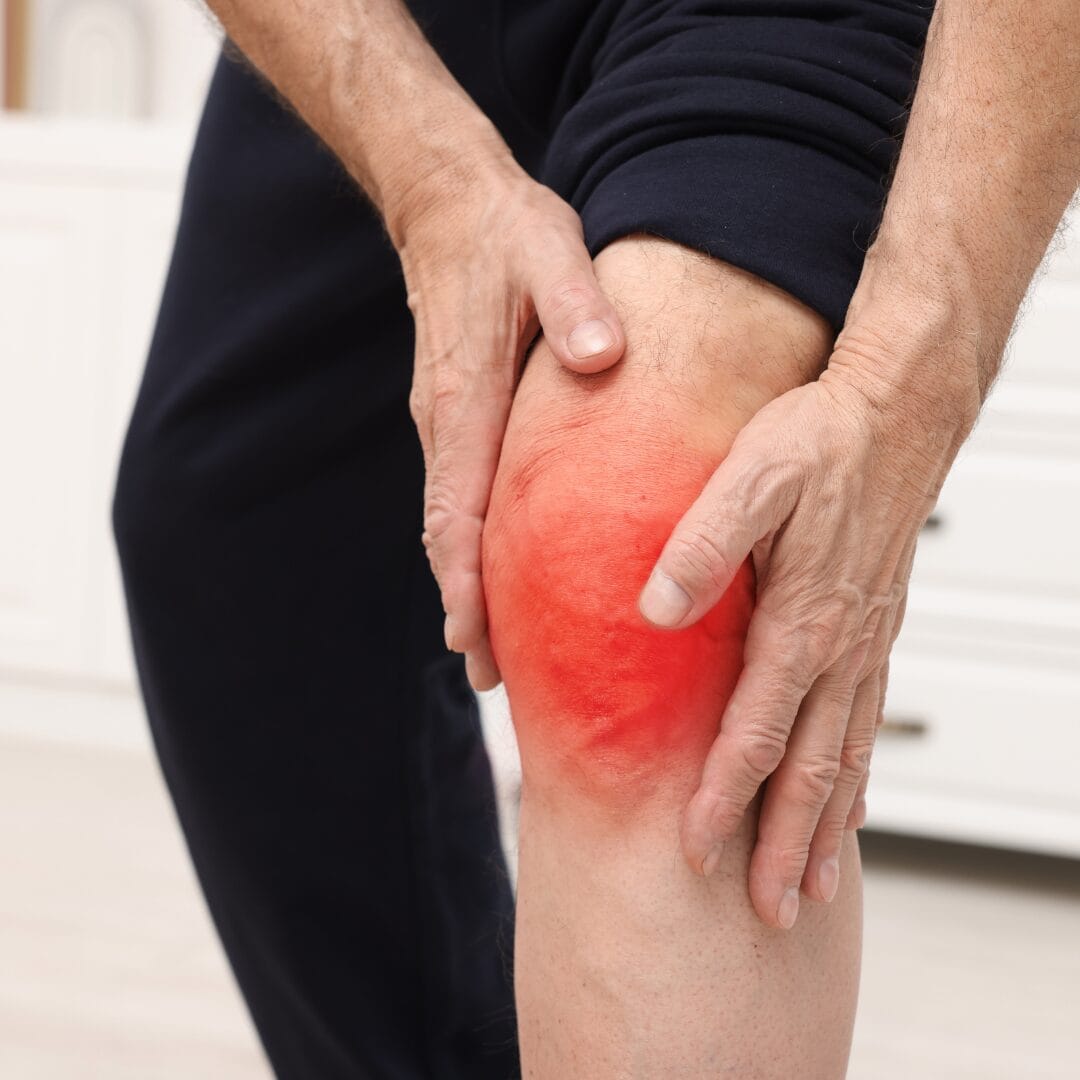
Most AffectedLarge joint space, large synovial membrane area — most sensitive to pressure changes. Knee arthritis pain in monsoon is the most common complaint at Pure Ortho Hospitals, Sainikpuri.
Lower Back
Most AffectedDisc problems, facet joint arthritis, and sacroiliac joint issues all worsen with cold and humidity. Muscle tightening around the lumbar spine reduces the spine's natural shock absorption.
Hips
Moderately AffectedDeep joint — less exposed to temperature change but sensitive to pressure in arthritis and AVN. Groin aching in monsoon is a common AVN and hip OA complaint.
Shoulders
Moderately AffectedFrozen shoulder stiffness worsens significantly in cold monsoon weather. Rotator cuff injuries and shoulder arthritis also flare with temperature drops.
Hands and Fingers
Moderately AffectedRheumatoid arthritis and osteoarthritis of hand joints are particularly sensitive to cold and humidity. Morning stiffness becomes more prolonged during monsoon.
Old Fractures and Surgeries
Most AffectedPrevious fractures, ligament surgeries, and joint injuries develop altered nerve populations. These nerves respond to barometric changes that an uninjured limb does not notice.
Monsoon and Specific Conditions
Osteoarthritis
The most common underlying cause of monsoon joint pain in Hyderabad. Narrowed joint space combined with barometric pressure drop and reduced activity produces the perfect conditions for a pain flare. Patients managing their knee arthritis adequately through summer suddenly find their existing management insufficient. This is not disease progression — it is a weather-related aggravation of an existing condition. The joint does not get permanently worse, but it needs active management through the monsoon months.
Rheumatoid Arthritis
RA joint inflammation responds directly to cold and humidity — these conditions modestly increase synovial inflammation. Morning stiffness in RA patients becomes more prolonged during monsoon. Disease-modifying medication needs to be continued consistently — patients who reduce their DMARDs when feeling better in summer often suffer significant flares when monsoon arrives.
Slip Disc and Sciatica
Muscle spasm around the lumbar spine increases in cold weather, compressing the nerve root further. Patients with existing disc prolapse often find their leg pain worsens during monsoon. Maintaining gentle movement and physiotherapy through monsoon is critical — complete rest makes the muscle spasm worse, not better.
Old Fractures and Surgery Sites
Bone that has healed after a fracture, and tissues repaired surgically, develop altered nerve populations including baroreceptors. These nerves respond to barometric pressure changes that the uninjured limb does not notice. The pain at old injury sites during monsoon is real and physiological — it is not in the patient's mind.
Monsoon Joint Pain — Myths vs Facts
Myth
Rain directly causes arthritis or makes joint disease permanently worse.
Fact
Rain aggravates existing joint conditions temporarily. The underlying disease does not progress faster during monsoon — the pain is weather-related, not disease progression.
Myth
Rest is the best response to monsoon joint pain.
Fact
Rest makes monsoon joint pain worse. Synovial fluid circulates with movement. Muscle stiffness from inactivity reduces the joint's natural cushioning. Gentle movement is the most effective management.
Myth
Monsoon joint pain means you need surgery.
Fact
Monsoon aggravation requires active conservative management — exercise, warmth, medication adjustment. Surgery decisions should be based on overall disease severity, not a weather-related flare.
Myth
Hot oil massage is the cure for monsoon joint pain.
Fact
Warmth and gentle massage help relax muscles and improve local circulation. They do not treat the underlying joint condition. Alongside physiotherapy and medication they help — as a standalone treatment for arthritis, they do not address the root cause.
What Actually Helps — A Practical Monsoon Joint Pain Guide
Keep Moving Indoors
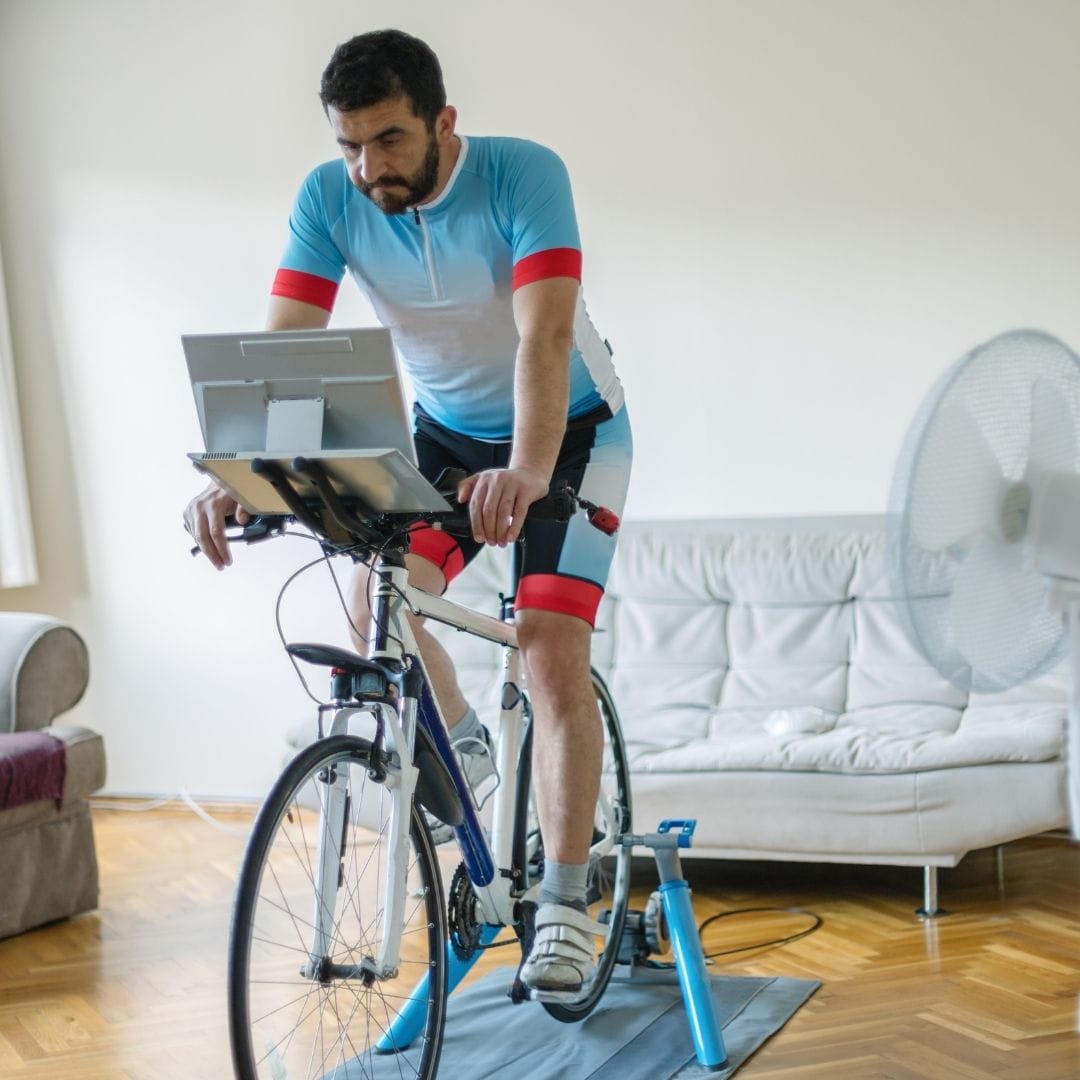
Stationary cycling, swimming in a covered pool, gentle yoga, and walking inside the house. 30 minutes of movement daily maintains synovial fluid circulation and prevents muscle stiffening. Do not skip exercise because it is raining outside.
Apply Warmth to Painful Joints
Warm compress or heating pad on the painful knee, back, or shoulder for 15-20 minutes reduces muscle spasm and increases local circulation. Avoid cold compresses for arthritis pain — cold worsens muscle tightening.
Stay Dry and Warm
Getting wet in monsoon rain drops core temperature and worsens joint stiffness. Dry off immediately after rain exposure. Knee warmers, back support belts, and full-sleeve garments all help reduce monsoon joint stiffness.
Stay Well Hydrated
Dehydration reduces synovial fluid production — the joint's lubricant. During monsoon when people drink less water because they do not feel as hot, joints become less well-lubricated. Minimum 2-2.5 litres of water daily.
Take Prescribed Medication Consistently
Anti-inflammatory medication and disease-modifying drugs work best when taken consistently — not just on bad days. Patients who skip medication on good days get less benefit than those on a consistent regimen.
Continue Physiotherapy
The exercises prescribed for your specific joint condition are more important during monsoon when activity naturally reduces — not less important. Physiotherapy at Pure Ortho Hospitals, Sainikpuri continues through monsoon.
Eat Anti-Inflammatory Foods
Turmeric, ginger, omega-3 rich fish, leafy vegetables, and fruit have mild anti-inflammatory properties. Reduce refined carbohydrates and fried food — both increase systemic inflammation. A dietary adjustment supports but does not replace medical treatment.
Avoid Prolonged Sitting
Sitting for more than 45-60 minutes without moving causes knee and back stiffness to accumulate. Stand and walk for 2-3 minutes every hour — especially during extended indoor monsoon days at home or at a desk.
What Does Not Help — Common Mistakes During Monsoon
Avoid These During Monsoon
- Complete bed rest — the most common mistake. Immobility makes all joint conditions worse during monsoon, not better.
- Stopping physiotherapy — many patients stop their prescribed exercise programme when it rains. This is exactly when it is most needed.
- Self-medicating with high-dose pain killers — taking more than the prescribed dose or combining multiple anti-inflammatory medications without medical advice causes stomach and kidney problems without proportionally greater pain relief.
- Ignoring new neurological symptoms — numbness, weakness, or loss of bladder control alongside back pain is an emergency regardless of season. Do not assume it is just the monsoon making your back pain worse.
- Delaying an overdue consultation — if you have been advised to see a joint specialist and have been putting it off, monsoon is a good time to book rather than suffer through another season.
Call Pure Ortho Hospitals, Sainikpuri for joint pain assessment: 8686868208
When Monsoon Joint Pain Means You Need a Specialist
See a doctor at Pure Ortho Hospitals, Sainikpuri if
- Joint pain during monsoon is significantly more severe than in previous years — suggests disease has progressed and management needs adjustment
- New joint swelling appears during monsoon — visible swelling alongside pain needs clinical assessment
- The same joint now prevents activities that were manageable last monsoon
- Monsoon pain is disrupting sleep regularly
- Back pain during monsoon is accompanied by leg symptoms — numbness, weakness, tingling
- You have not had your joint condition formally assessed and want to understand what is actually happening
- Prescribed medication is not adequately controlling monsoon pain — the dose or drug may need adjustment
The Orthopaedic Team at Pure Ortho Hospitals, Sainikpuri
Pure Ortho Hospitals, Sainikpuri operates year-round through every season. Monsoon is not a reason to postpone a joint consultation — it is often the season when patients with undertreated arthritis and joint conditions reach a tipping point and need active intervention.
Dr. G. Uday Sekhar Reddy
Dr. V.S. Abhilash Kumar S
Frequently Asked Questions
Other Departments at Pure Ortho Hospitals
Monsoon Making Your Joints Worse This Year? Get It Assessed.
If this monsoon is significantly harder on your joints than last year — that is information worth acting on. Book a consultation at Pure Ortho Hospitals, Sainikpuri, Hyderabad and find out exactly what is happening.
Call 8686868208More from Pure Ortho Hospitals
This article is for patient education only. Please consult a qualified orthopaedic specialist before making any treatment decisions.